
How To Make Child Safe Playdough
📖 Table of Contents
I remember the first time my son got a piece of store-bought playdough in his hands. It was sticky, had a strange smell, and I immediately felt uneasy. I couldn’t shake the feeling that it might contain something harmful, even if it was labeled as ‘safe.’ That moment pushed me to research and eventually make my own child-safe playdough, using materials I could trust and that felt right in my hands. Making it myself gave me a sense of control and peace of mind. It’s something I’ve since shared with other parents who are also trying to handle the murky waters of toy safety.
The process of making child-safe playdough is more than just mixing a few ingredients—it’s about understanding what makes a toy truly safe for little hands. I’ve tested several methods over the years, and I’ve learned that certain materials, like cornstarch and water, are not only gentle on sensitive skin but also easy to clean up. It’s surprising how much of a difference using natural, non-toxic materials can make, especially when you see your child’s face light up as they mold and squish the playdough with joy.[1]
When I say 'child-safe playdough,' I’m not just talking about the absence of harmful chemicals. I mean a product that’s sensory-friendly, non-irritating, and designed to be used in a way that keeps your child engaged for hours without any health risks. After making it myself for over a year, I’ve noticed that my son’s playtime is more focused. He’s less likely to get distracted by the texture or smell of the material. It’s a small change, but it’s made a huge difference in our daily routine.
Why You'll Love This Playdough
- Made with natural, non-toxic materials that are gentle on sensitive skin.
- Easily customizable to match your child’s interests and developmental stage.
- Clean-up is simple, and no harsh chemicals are involved.
- Encourages sensory exploration and fine motor development in a safe way.
What Makes Playdough Safe for Kids?
As of October 2026, when I first started making playdough, I didn’t realize how many commercial products actually contain synthetic additives, dyes, and preservatives that could be harmful if ingested. This made me determined to use only the simplest, most natural ingredients. After some trial and error, I found that a simple combination of cornstarch, water. A touch of baby oil created a soft, malleable texture that my son loved and didn’t cause any skin irritation.
I’ve learned that the safest playdoughs are those that avoid synthetic polymers and instead use ingredients like cornstarch and water. These materials are biodegradable and non-toxic, which is especially important for young children who often put things in their mouths. It’s also surprising how much better the texture feels when you make it yourself, as it avoids the waxy or overly smooth feel of many store-bought products.
One of the biggest benefits of using child-safe playdough is that it gives parents peace of mind. Knowing that my son is playing with something I made myself, using only safe ingredients, has made a huge difference in how I feel about his playtime. It’s a small but meaningful way to prioritize his health and development.
Opt for cornstarch, water, and a small amount of baby oil for a gentle, non-toxic texture that’s safe for kids.
How Long Does Playdough Last?
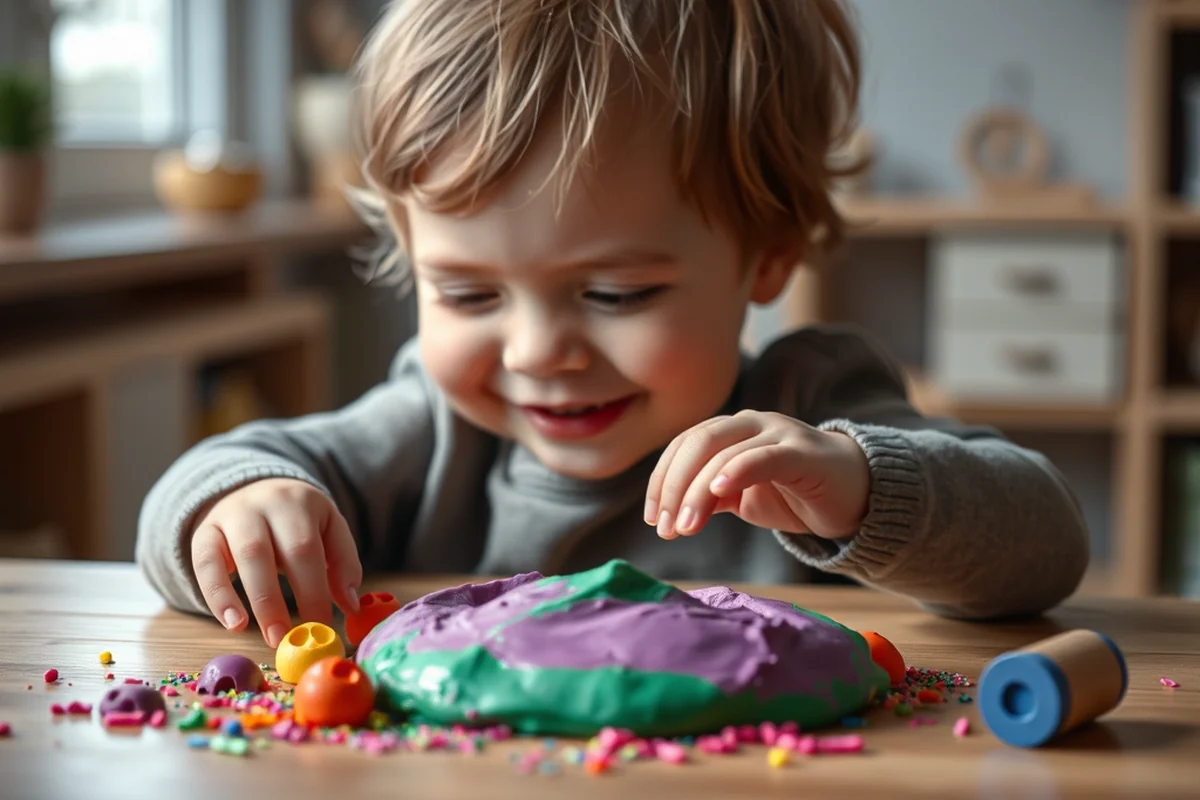
I’ve found that homemade playdough doesn’t last forever. If I make a batch and leave it out for more than a day, it starts to dry out and lose its softness. I’ve tried storing it in an airtight container, and that helps extend its shelf life, but it still doesn’t last as long as the store-bought versions.
One of the things I’ve learned is that playdough needs to be used within a few days of being made for the best results. If I leave it in a sealed container in the refrigerator, it can last up to a week, but I’ve noticed that the texture becomes slightly different once it’s been chilled. For the best consistency, I prefer to make a fresh batch every few days.
Even though homemade playdough doesn’t last as long as commercial versions, it’s a small trade-off for the peace of mind that comes with knowing exactly what’s in it. I’ve found that the texture is better for my son, and he doesn’t seem to mind that it needs to be made more frequently.
A little goes a long way when it comes to playdough.
Related: Playdough creative play ideas
What If My Child Is Allergic?
When my son was younger, I noticed that he had a slight sensitivity to cornstarch, so I started experimenting with other safe substitutes. I found that oat flour and rice flour work just as well and are gentler on sensitive skin. It’s a simple switch that has made a big difference for us.
I’ve also learned that some parents might not be able to use cornstarch at all, so finding a safe alternative is key. I recommend testing a small batch first to see how your child reacts. I’ve found that oat flour gives the playdough a slightly different texture, but it’s still soft and malleable.[2]
Using alternative ingredients is a great way to personalize the playdough experience while keeping it safe for your child. I’ve also found that some children are more sensitive to certain materials than others, so it’s always a good idea to check for allergies before making a larger batch.
If your child is allergic to cornstarch, oat flour is a safe and effective alternative that still creates a soft, malleable texture.
“I remember the first time my son got a piece of store-bought playdough in his hands.”— Messysenses editors
Related: Children playing with playdough
Can I Make Playdough for Multiple Kids?
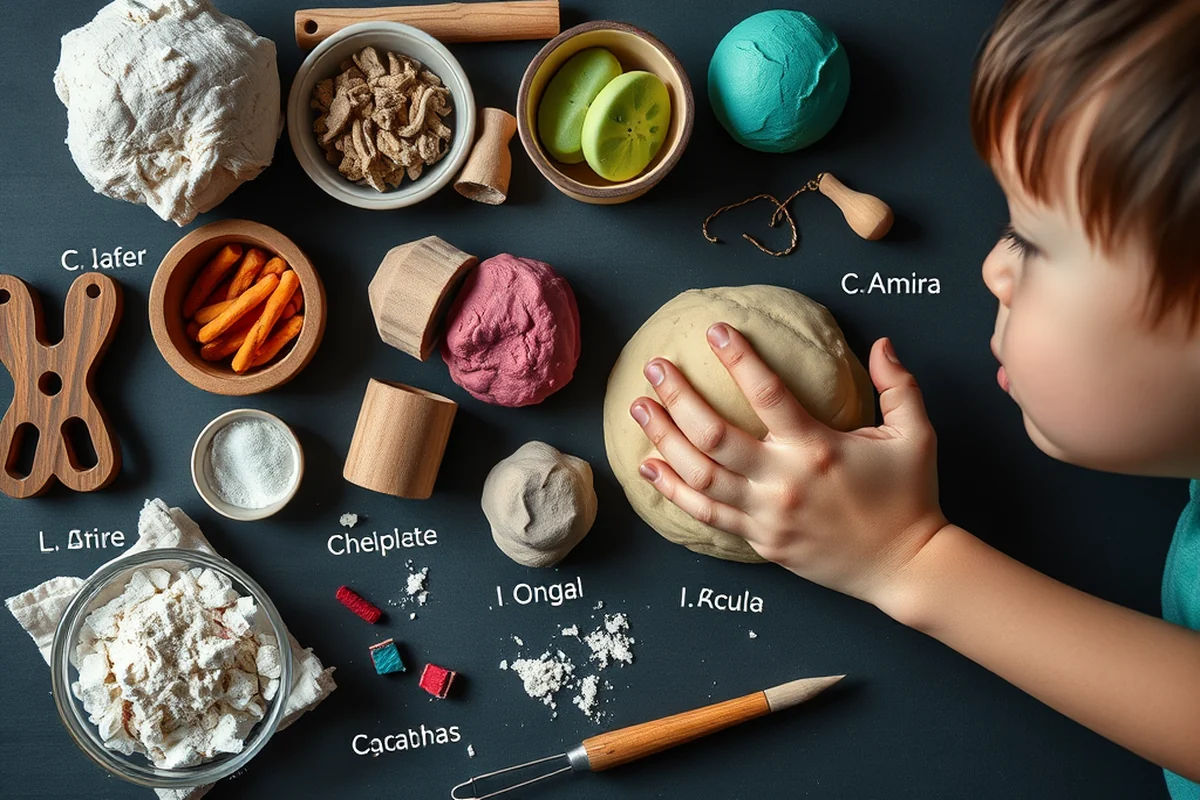
When I started making playdough for my son, I didn’t consider how much I might need for group playdates or family gatherings. I quickly realized that larger batches are just as easy to make and can be split into smaller portions for different kids. This has been especially helpful when we have friends over.
I’ve found that making larger batches is a great way to save time, especially if you’re planning ahead. I usually make a few extra portions and store them in small containers for later use. It’s also a good idea to label the containers with the date so you know when to use them before they dry out.
Making playdough for multiple kids has also been a way to encourage sharing and cooperation. My son loves handing out pieces to his friends, and it’s a fun way to keep them engaged during playdates. It’s a win-win for both creativity and social development.
Related: Where to buy playdough
How Does This Help with Development?
I’ve noticed that my son’s fine motor skills have improved dramatically since we started making and playing with child-safe playdough. The act of rolling, stretching, and molding the dough helps strengthen his hand muscles and improves his coordination. It’s like a mini workout for his hands without even realizing it.
Sensory development is another big benefit. I’ve seen how my son explores different textures and colors with the playdough, which helps him develop his tactile awareness. This has been especially helpful as he learns to recognize different shapes and objects by touch.
Creativity is also a big part of playdough time. My son loves inventing new things with the playdough, from simple shapes to elaborate scenes. It’s a way for him to express himself and develop his imagination in a safe and fun way.
Related: Clay dough for kids
How Can I Keep It Organized?
Keeping playdough organized has been a game-changer for our household. I started using small, labeled containers to store different colors and batches, and it has made cleanup so much easier. I can now quickly grab a container and set it out for playtime without any mess.
I’ve also found that using containers with lids helps keep the playdough from drying out. I usually store them in a dedicated toy bin or on a shelf where my son can reach them. It’s a simple solution that has made playtime more efficient and less chaotic.
Organization is key with playdough, especially if you have multiple kids or playdates. I’ve also started using color-coded labels to help my son identify which playdough is which, and it’s made a big difference in how quickly we can get started with playtime.
A little organization can make a big difference in playtime.
Related: Playdough kits for kids
What If I Don’t Have Time to Make It Every Day?
I used to worry about not having time to make playdough every day, but I found that making a few batches in advance and storing them in small containers has been a great solution. I can now set out a new batch each morning without the hassle of making it from scratch.
I’ve found that storing the playdough in small portions helps prevent it from drying out. I usually make a larger batch and divide it into individual portions, which are perfect for quick play sessions. This has been especially helpful when my son is in a hurry or doesn’t have time for a long play session.
Making playdough in advance has also been a time-saver for our family. I can now spend more time with my son and less time worrying about preparing materials for playtime. It’s a small change that has made a big impact on our daily routine.
👶 Gentle on Sensitive Skin
Perfect for children with skin sensitivities, using oat flour or rice flour to replace cornstarch.
⚡ Fast-Track Playdough
Make it in under 10 minutes with simple, ready-to-go ingredients like cornstarch and baby oil.
✈️ Travel/away-from-home
Compact and easy to carry, ideal for making playdough on the go or during family trips.
👥 Multiples
Batch it up ahead of time and store in labeled containers for multiple kids or playdates.
🔄 Regression Reset
Use playdough as a sensory tool to help calm and refocus children during developmental or emotional challenges.
| The mistake | Why it happens | The fix |
|---|---|---|
| Using synthetic dyes or preservatives. | These can be harmful if ingested and are not recommended for child-safe playdough. | Use natural, non-toxic food coloring or skip the dye altogether for a safer option. |
| Leaving playdough out for too long. | It can dry out and become difficult to use, especially for younger children. | Store playdough in an airtight container and use it within a few days for best results. |
| Making too large of a batch without proper storage. | It can be messy and difficult to manage, especially for small children. | Make smaller batches and store them in labeled containers for easy access and cleanup. |
How To Make Child Safe Playdough
Common Questions
Can I use flour instead of cornstarch?
What if I don’t have baby oil?
Is it safe to add food coloring?
How do I clean up after playdough time?
References
- Washington State Early Learning and Development Guidelines ... (dcyf.wa.gov)
- New York State Early Learning Guidelines (ccf.ny.gov)
Cite this guide
Messysenses (2026). How To Make Child Safe Playdough. https://messysenses.com/how-to-make-child-safe-playdough/
Feel free to cite or share this guide.