
Fun Toddler Painting Activities
📖 Table of Contents
When my son turned two, I found myself in a messy kitchen with a smudge of paint across my face and a toddler grinning at me like he’d just invented art. It was one of those moments that made me realize how much fun toddler painting activities could be — not just for the kids, but for parents too. I didn’t know it then, but that day would become the starting point for a whole series of creative, chaotic, and incredibly rewarding painting sessions with him.
I remember the first time I let him use a paintbrush — it was a small, cheap one I bought from a dollar store. He used it to smear blue paint across a piece of cardboard, and I watched in awe as he laughed, splattered, and then proudly handed me the ‘masterpiece’ to look at. It wasn’t perfect, but it was pure, unfiltered joy. That’s the magic of fun toddler painting activities — they don’t need to be neat or pretty to be meaningful.[1]
Now, I’ve tried dozens of painting activities with my kids and others, and I’ve learned that the best ones are the ones that are adaptable, sensory-rich, and filled with laughter. Whether it’s finger-painting with washable paints or using cotton swabs to create abstract art, each activity has its own rhythm and its own kind of mess. That’s why I’m sharing these tips and ideas — because I know firsthand how much fun toddler painting activities can bring to your home and your family.[2]
Why You'll Love This ...
- Boosts creativity and motor skills in a fun and engaging way.
- Provides a sensory-rich experience that’s safe and mess-friendly.
- Encourages parent-child bonding through shared play and laughter.
- Offers a flexible activity that can be done anywhere, anytime.
Getting Started with Toddler Painting
As of October 2026, to get started, you’ll need a few basic items: washable paint, paper or cardboard, and a few clean-up tools. I’ve found that using paper plates or large sheets of paper helps contain the mess. I always have a few paper towels and a small bucket of water nearby for quick clean-ups.
I often let my toddler choose the colors first, which gives him a sense of control and ownership over the activity. This simple act helps him feel more engaged and excited to create. Even if the painting ends up looking like a storm of colors, it’s still a win for both of us.
One of the best things about toddler painting is that it’s adaptable. If we’re on a road trip, I bring a portable palette and a small roll of paper. If we’re at home, we set up a small painting station on the floor. It’s all about flexibility and making the experience feel safe and fun.
Use a low table or a folded blanket to create a painting area that’s easy for your toddler to reach. Always have a clean-up kit nearby — paper towels, water, and a small bucket.
The Benefits of Painting with Toddlers
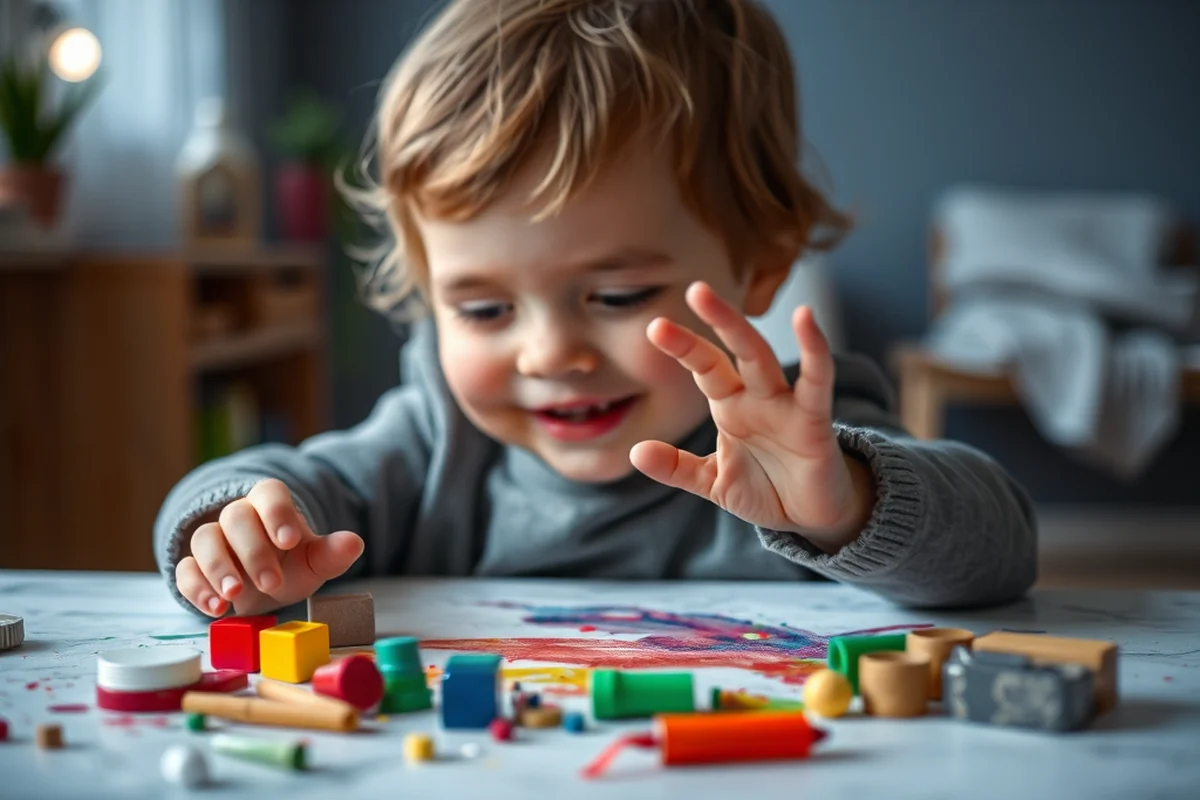
I’ve noticed that when my toddler paints, he’s using both hands more often, and his fine motor skills are improving. The act of gripping a paintbrush or smearing paint with his fingers helps strengthen his hand muscles and improve his coordination.
Painting also helps with emotional development. When he’s frustrated with a messy paint job, he learns to express his feelings — sometimes with words, sometimes with a dramatic sigh. It’s a low-pressure way for him to practice communication and emotional regulation.
Another benefit is the opportunity for parent-child interaction. I often sit beside him, paint along with him, and talk about what we’re creating. It’s a simple way to bond and share a moment of creativity that feels meaningful.
Painting with my toddler isn’t just about making art — it’s about making memories.
Related: Best toddler painting activities
Choosing the Right Paints and Surfaces
I use non-toxic, washable paints that are safe if they get on skin or clothing. My favorite brand is a line of water-based paints that are easy to clean up and have a nice consistency that doesn’t run too much. I’ve found that the thicker the paint, the more fun it is to smear and spread.
With surfaces, I prefer using large sheets of paper or thick cardboard. These are easy to store and clean, and I’ve learned that cardboard holds paint better than paper. I also use paper plates for smaller projects, which are perfect for making little handprints or face prints.
If I’m using fabric, I’ll use washable fabric markers instead. They’re less messy and easier to clean. I always test the fabric first to make sure it doesn’t bleed or run when washed.
Before you start any painting session, test the paint on a small area of the surface you’re using. This helps you see how it behaves and whether it’s suitable for the project.
“When my son turned two, I found myself in a messy kitchen with a smudge of paint across my face and a toddler grinning at…”— Messysenses editors
Related: Simple painting ideas for kids
Finger Painting: A Sensory Favorite
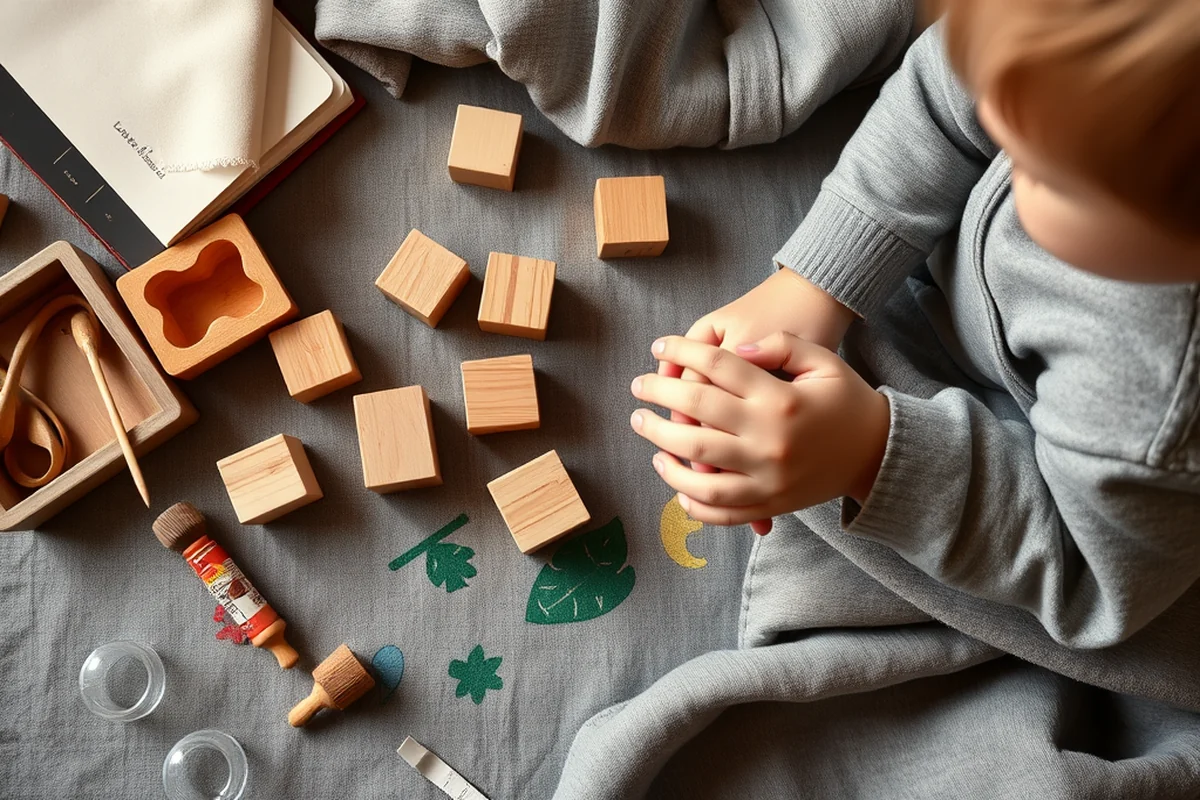
I love using finger paints because they’re safe, easy to use, and perfect for little hands. My toddler loves the texture of the paint, and he gets so excited when he discovers that he can make big smudges or small dots with just his fingers.
I often use a large sheet of paper or a piece of cardboard for finger painting. I’ve found that using a waterproof tablecloth helps protect the surface underneath. We also use a small bucket of water and paper towels for clean-up, and I always have a few extra paper towels on hand just in case.
Finger painting is also a great way for my toddler to explore different textures and colors. Sometimes, he’ll mix two colors together to see what happens. It’s a simple, hands-on way to learn about color theory and sensory exploration.
Related: Free painting for toddlers
Using Cotton Swabs and Sponges for Art
I’ve found that using cotton swabs is a great way for my toddler to make small, precise dots or lines. He loves the way the cotton swab feels in his hand, and he enjoys the challenge of controlling the brush.
Sponges are another fun option. I often use a small sponge to help him create big, soft strokes of color. We use different sponge shapes — round, square, and even heart-shaped — to see how each one affects the painting.
Using cotton swabs and sponges helps my toddler develop his fine motor skills and hand-eye coordination. It’s also a great way to introduce him to different tools and textures in a safe and engaging way.
Related: Fun painting activities for kids
Making Art During Travel or On-the-Go
When I travel with my toddler, I like to bring a small portable palette and a roll of paper. I’ve found that using a small, flat board as a painting surface works well. I also bring a small bucket of water and some paper towels for clean-up.
I often use the back of a hotel room or a car seat as a temporary painting space. I’ve learned that it’s important to keep the area small and contained to avoid making too much of a mess. I also always have a few spare clothes on hand in case of any big splatters.
On-the-go painting is a great way to keep my toddler entertained and engaged when we’re waiting for something — whether it’s at the airport, the park, or a restaurant. It’s a simple and effective way to turn a boring wait into an opportunity for creativity.
Travel doesn’t have to mean missing out on creative fun — just bring the right tools.
Related: Toddler finger painting activities
Creating a Painting Routine
I’ve found that having a weekly painting time helps my toddler look forward to the activity. It’s also a great way to introduce new materials and techniques. I often use different types of paint, brushes, and surfaces to keep things interesting.
I make sure to keep the painting time short and sweet — around 20 minutes. I’ve noticed that if we stay too long, my toddler becomes frustrated or overstimulated. It’s important to balance creativity with his attention span.[3]
Creating a routine also gives my toddler a sense of security and predictability. He knows that painting is something we do together, and it becomes a cherished part of our day.
🎨 Gentle Painting
Ideal for toddlers who are still learning to control their movements. Use thick, washable paints and simple tools like fingers or large brushes.
⏳ Fast-Track Painting
Perfect for short, busy days. Use pre-made paint palettes and quick-dry materials that are easy to clean up.
🧳 Travel/On-the-Go Painting
Great for road trips or when you're away from home. Use portable palettes, small rolls of paper, and travel-friendly clean-up tools.
👨👩👧👦 Multiple Kids Painting
Works well for siblings or groups. Use separate spaces, paint colors, and tools to keep the activity organized and fun for everyone.
🔄 Regression Reset Painting
A great way to help toddlers who are going through a developmental phase. Use sensory-rich materials and focus on play over perfection.
| The mistake | Why it happens | The fix |
|---|---|---|
| Using regular paint instead of washable paint. | Regular paint is not safe for toddlers and can be difficult to clean up. It can also leave behind toxic chemicals if ingested. | Always use non-toxic, washable paints that are safe for children. |
| Not having a clean-up plan in place. | Without a clean-up plan, the mess can quickly become overwhelming and stressful for both you and your toddler. | Always have a clean-up kit nearby with paper towels, water, and a small bucket for cleaning up spills. |
| Letting the toddler paint for too long. | Painting sessions that are too long can be overwhelming and lead to frustration or burnout for your toddler. | Keep the session short — around 15–20 minutes — and take breaks if needed. |
| Forcing the toddler to paint. | Forcing a toddler to paint can lead to resistance and make the experience less enjoyable for both of you. | Let your toddler lead the way and choose the activity that feels right for them. |
Fun Toddler Painting Activities
Common Questions
What kind of paint is safe for toddlers?
How can I make painting less messy?
What if my toddler gets paint on their clothes?
How long should a painting session last?
References
- The South Dakota Early Learning Guidelines (doe.sd.gov)
- 35 Activities to Keep Kids Busy While You Work or Study (devry.edu)
- Off to a Good Start: a lesson planning handbook for Georgia's (decal.ga.gov)
Cite this guide
Messysenses (2026). Fun Toddler Painting Activities. https://messysenses.com/fun-toddler-painting-activities/
Feel free to cite or share this guide.