
A Flower Coloring Sheet
📖 Table of Contents
- The Power of a Flower Coloring Sheet for Emotional Regulation
- How to Choose the Right Flower Coloring Sheet
- The Surprising Benefits of Coloring for Development
- A Flower Coloring Sheet as a Bonding Tool
- Making Flower Coloring a Routine
- Tips for Keeping Your Child Engaged
- Making the Most of a Flower Coloring Sheet
- Make It Your Way
- Frequently Asked Questions
I remember the first time my daughter sat down with a flower coloring sheet. She was five, and she had just finished a long, tiring day at school. As I watched her carefully pick up her crayons and begin to color, I felt an unexpected wave of calm. It was as if time slowed down, and the world outside her little room faded away. I realized then that coloring wasn't just a way to pass the time — it was a form of quiet, focused play that could bring a surprising amount of peace to our otherwise chaotic home.
Flower coloring sheets have become a staple in our household. They're not just a way to keep my kids entertained; they're a tool for fostering creativity, improving focus, and even helping with emotional regulation. Whether it's a busy afternoon before dinner or a quiet morning after a restless night, these sheets give my children a safe space to explore their thoughts and emotions without words. I've seen how they help my daughter slow down, notice details, and even find joy in the small, deliberate act of staying within the lines.
What began as a simple activity has turned into a meaningful ritual. I've experimented with different styles, colors, and even the complexity of the designs. Some days, we go for intricate, multi-layered flowers, while other days, it's a simple outline with bold lines. The beauty of a flower coloring sheet lies in its adaptability — it can be as simple or as complex as the child needs it to be. I've learned to let go of perfection and embrace the messiness of creativity, and it's made all the difference.
Why You'll Love This Flower Coloring Sheet
- Encourages focused, mindful play that helps children manage stress and anxiety.
- Provides a low-cost, easily accessible tool for fostering creativity and imagination.
- Supports emotional regulation through structured, sensory-friendly activity.
- Can be adapted for various ages and developmental stages, making it a versatile tool in your parenting toolkit.
The Power of a Flower Coloring Sheet for Emotional Regulation
As of October 2026, I’ve seen my daughter use a flower coloring sheet to work through frustration, anxiety, and even sadness. One particular day, after a tough argument with her brother, she sat at the table with a coloring sheet and began to color. It wasn’t about the flower — it was about the act of doing something slow, deliberate, and focused. She didn’t speak, but her body language told me she was finding a kind of peace.
Coloring gives children a non-verbal outlet to process their feelings. It doesn’t require them to explain their emotions or think about them — they simply create. I’ve noticed that when she’s in this state, her breathing slows, her shoulders relax, and her face softens. It’s like a quiet reset button for her brain.
I’ve found that the more complex the design, the more it can help with focus and mindfulness. However, I’ve also learned that simpler designs are just as valuable — sometimes, they’re even more effective when a child is overwhelmed. It’s all about what the child needs in the moment.
Set up a dedicated coloring space with soft lighting, a comfortable chair, and a variety of crayons or colored pencils. This helps your child associate the activity with relaxation and calm.
How to Choose the Right Flower Coloring Sheet
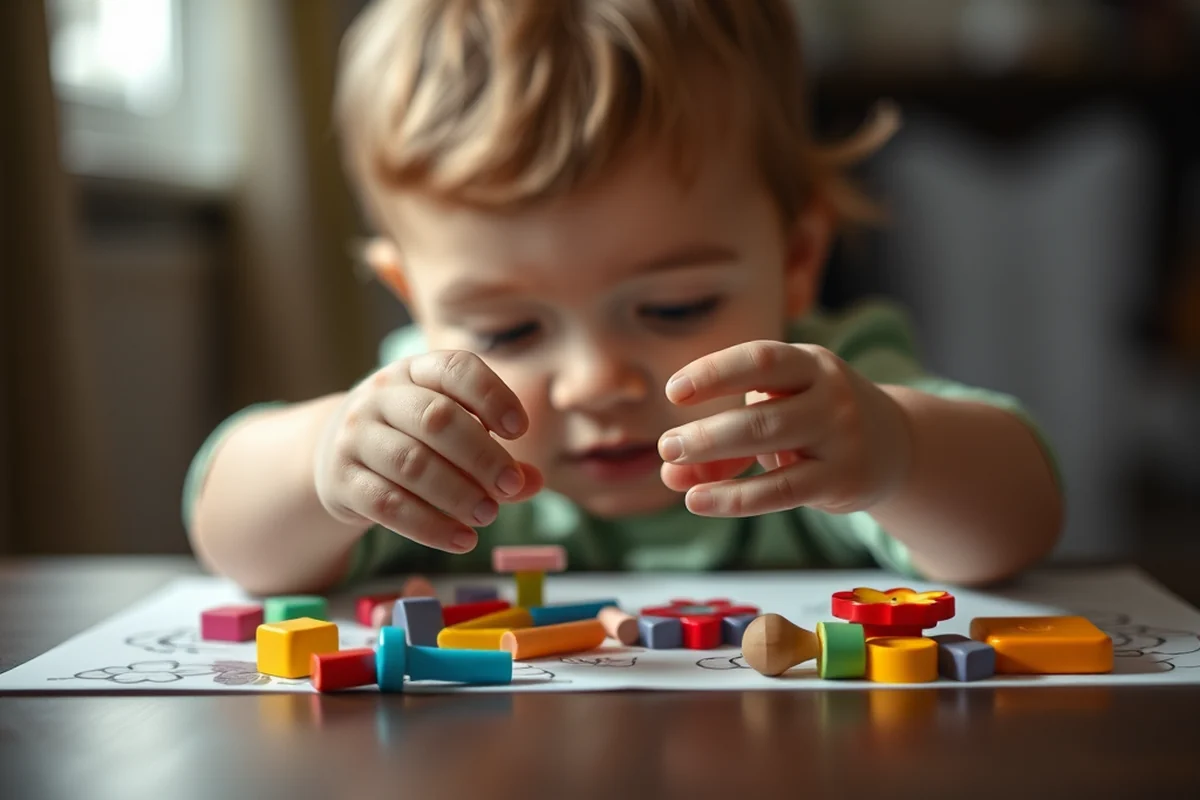
I’ve tried a wide range of coloring sheets, from intricate mandalas to simple line drawings. What I’ve found is that the best ones for my daughter are those with clear outlines and a balance of detail and simplicity. Too much detail can be overwhelming, while too little can be boring.
I’ve also noticed that the type of paper matters. Thicker, heavier paper holds up better to crayons and doesn’t tear easily. I’ve invested in a few high-quality packs, and it’s been worth it — the sheets last longer and don’t bleed through as much as the cheaper ones.
I recommend starting with a few different styles and seeing what your child prefers. Some may like bold, bright flowers, while others may prefer subtle, delicate ones. It’s all about what speaks to them.[1]
Choose a flower coloring sheet that speaks to your child — it’s the difference between a fleeting moment and a meaningful activity.
Related: Painting activities for children
The Surprising Benefits of Coloring for Development
I’ve noticed that my daughter’s fine motor skills have improved significantly since we started using flower coloring sheets. The act of holding a crayon and staying within the lines requires a level of hand-eye coordination and control that she hadn’t developed before.
Also, I’ve seen her attention span increase. It used to be that she would lose focus within minutes, but now she can sit for 15-20 minutes at a time without getting distracted. It’s been a game-changer for our home life.[2]
Coloring also helps with decision-making and problem-solving. When she’s unsure of which color to use, she often experiments with different shades and combinations. It’s like a mini lesson in creativity and critical thinking, all without any formal instruction.
Use thicker crayons or markers to help your child build grip strength. Encourage them to hold the crayon with a pincer grip, which supports fine motor development.
“I remember the first time my daughter sat down with a flower coloring sheet.”— Messysenses editors
Related: Toddler painting activities uk
A Flower Coloring Sheet as a Bonding Tool
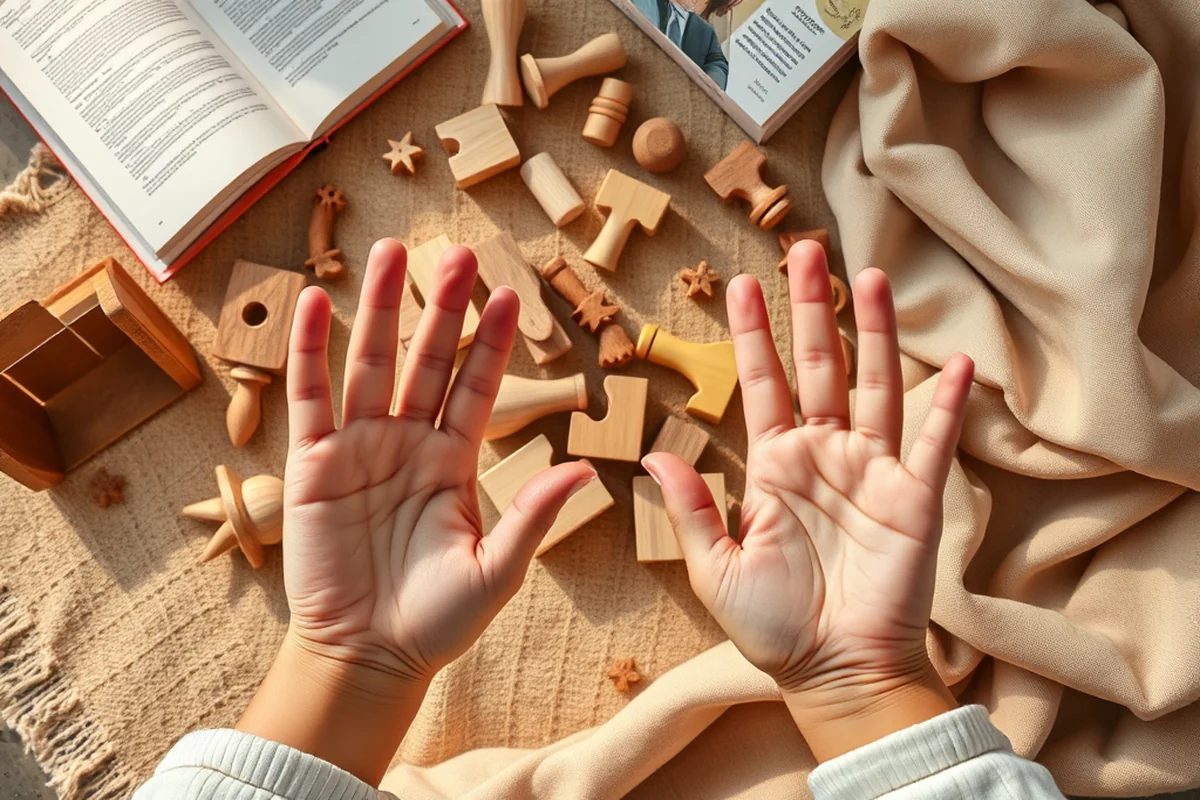
I’ve started coloring with my daughter on a regular basis, and it’s become one of our favorite ways to spend time together. It’s not about the product — it’s about the shared experience. We laugh, talk, and even teach each other new techniques.
I’ve noticed that when we color together, she’s more open to sharing her thoughts and feelings. It’s like the activity creates a kind of safe space for communication. We don’t always talk about deep things, but it’s a way to be present with each other.
Even my son, who used to avoid coloring, has started joining in. It’s amazing how much a simple activity can bring people together and create lasting memories.
Related: Painting activities for preschool
Making Flower Coloring a Routine
I’ve made it a habit to set aside 15-20 minutes each day for coloring. It’s a time when I turn off the TV, put away the toys, and sit with my child. It’s a sacred space where we can focus on the moment and disconnect from the chaos of daily life.[3]
I’ve found that consistency is key. Even on busy days, if we can manage just a few minutes, it makes a big difference. It helps my child build a sense of structure and predictability, which is especially important during times of change or stress.
Over time, I’ve noticed that my child looks forward to this time. It’s become a kind of ritual that we both enjoy, and it’s something that helps us bond and connect in a meaningful way.
Related: Hello kitty coloring sheets
Tips for Keeping Your Child Engaged
I’ve found that variety is key. Rotating the types of flowers and the styles of the coloring sheets helps keep the activity fresh and interesting. I’ve used everything from sunflowers and roses to daisies and lilies, and each one brings a different kind of joy.
I also like to mix things up by using different colors and materials. Sometimes we use crayons, sometimes markers or colored pencils. It keeps things exciting and allows my child to explore different textures and techniques.
I’ve also noticed that setting a time limit helps. If I let her color for 15 minutes, she tends to be more focused and engaged. It’s like a mini challenge — and she loves the idea of finishing within a set time frame.[4]
Variety keeps the magic alive — don’t be afraid to try new things with your child.
Related: Painting projects for toddlers
Making the Most of a Flower Coloring Sheet
I’ve learned that it’s not about making perfect coloring — it’s about the process. I used to get frustrated when my daughter went outside the lines, but now I see it as part of her creative expression. It’s not about the end product; it’s about the journey.
I’ve also realized that it’s okay to take breaks. If my child gets frustrated or loses interest, I don’t push them. I’ll let them take a break and come back when they’re ready. It’s all about respecting their pace and their needs.
Finally, I’ve learned to celebrate the little things. Whether it’s a completed flower or just a few minutes of focused coloring, I make sure to acknowledge the effort. It’s a small but powerful way to build confidence and encourage continued engagement.
🌿 Gentle Approach
A slow, meditative way to use a flower coloring sheet, ideal for children who need more time to process and explore.
⚡ Fast-Track Method
A quick and efficient way to use a flower coloring sheet, perfect for busy days when you need a few minutes of calm.
✈️ Travel/On-the-Go Option
A portable and easy-to-use version of a flower coloring sheet, great for airports, car rides, or waiting rooms.
👯♀️ For Multiples
A way to use a flower coloring sheet with multiple children at once, encouraging teamwork and shared creativity.
🔄 Regression Reset
A method to use a flower coloring sheet to help a child who is going through a developmental setback or emotional challenge.
| The mistake | Why it happens | The fix |
|---|---|---|
| Using too many colors at once | It can overwhelm your child and make the activity feel more like a task than a fun experience. | Start with a few colors and let your child choose as they go. It helps them feel more in control and engaged. |
| Pushing your child to color for too long | It can lead to frustration and a loss of interest in the activity. | Set a reasonable time limit, like 15 minutes, and let your child know they can take a break whenever they want. |
| Choosing overly complex designs for younger children | It can be too challenging and discourage your child from participating. | Start with simple outlines and gradually introduce more detailed designs as your child becomes more comfortable. |
| Neglecting to create a calm environment | It can make the activity feel stressful or rushed, reducing its calming effects. | Create a quiet, distraction-free space with soft lighting and comfortable seating to help your child focus and relax. |
A Flower Coloring Sheet
Common Questions
How long should a child spend coloring with a flower coloring sheet?
Can a flower coloring sheet help with a child’s focus?
What type of crayons or markers should I use?
Can I use a flower coloring sheet with more than one child?
References
- New Cornell coloring pages in bloom - Alumni, parents, and friends (alumni.cornell.edu)
- TABLE ROCKS COLORING BOOK - Bureau of Land Management (blm.gov)
- Coloring Sheets - UF/IFAS Blogs (blogs.ifas.ufl.edu)
- Coloring Book (csu.edu)
Cite this guide
Messysenses (2026). A Flower Coloring Sheet. https://messysenses.com/a-flower-coloring-sheet/
Feel free to cite or share this guide.