
What Is Edible Art
📖 Table of Contents
When my daughter turned three, she asked to draw a picture of her favorite meal — a rainbow of fruit on a plate. I didn’t know what to do, but I grabbed her crayons, and we made a mess. That was the first time I realized that edible art wasn’t just about food. It was about creativity, expression, and connecting through something tangible. As a parent, I’ve learned that edible art is not just a fun activity — it's a way to bring imagination into our everyday lives. It's something that can be done with little more than a few simple materials.[1]
What is edible art, you ask? It's the act of creating art using edible materials — not just food, but things like colored candies, fruit slices, or even cookie dough. It's a way to combine creativity with the messiness of childhood. I remember when my son first tried to make a 'flower' with cookie dough, and it ended up looking more like a blob. But that blob made him laugh, and it made me realize that edible art is about the process, not the perfection. The joy comes from the act of creation, not the final product.[2]
Over the years, I've experimented with edible art in different ways — sometimes with my kids, sometimes alone in the kitchen. What I've discovered is that edible art is not just for kids. It's a form of expression that can be enjoyed by people of all ages. It’s about using your hands, your imagination. Your senses to create something beautiful, and it’s an activity that can be done in the home, at a party, or even in the classroom. It’s a way to celebrate creativity, and it's something that can be tailored to fit any age or interest.[3]
Why You'll Love This Approach to Edible Art
- Encourages creativity and self-expression in children and adults alike.
- Provides a unique and interactive way to spend quality time together.
- Can be adapted to different ages, interests, and occasions.
- Uses everyday items that are easy to find and affordable.
What is Edible Art?
As of October 2026, Edible art is a form of creative expression that uses edible materials to create art. I first discovered it when my daughter wanted to make a 'cake' out of playdough and sprinkles. It wasn’t edible, but it sparked an idea — what if we used real edible materials? The next day, we made a cake using colored icing, and it was a hit. Edible art can be as simple as arranging fruit slices into shapes or as complex as building a 3D sculpture with cookie dough and candies.
The beauty of edible art is that it doesn’t require any special skills or tools. It’s about imagination and creativity, and it can be adapted to suit different ages and abilities. My son, who is three, loves making ‘mud pies’ with chocolate chips and cookie dough, while my daughter, who is six, enjoys creating intricate cookie designs with icing. Edible art is a way to bring kids together and let them explore their creativity in a fun and engaging way.
What makes edible art special is that it’s not just about the final product. It’s about the process of creating something with your hands, using your senses, and sharing it with others. I’ve seen my kids get so excited when they create something new, and that’s what makes edible art so valuable. It’s a way to celebrate creativity and make memories that last.
Begin with simple materials like cookie dough, colored icing, and fruit slices. These are easy to find, safe for kids, and can be used in a variety of ways.
How to Get Started with Edible Art
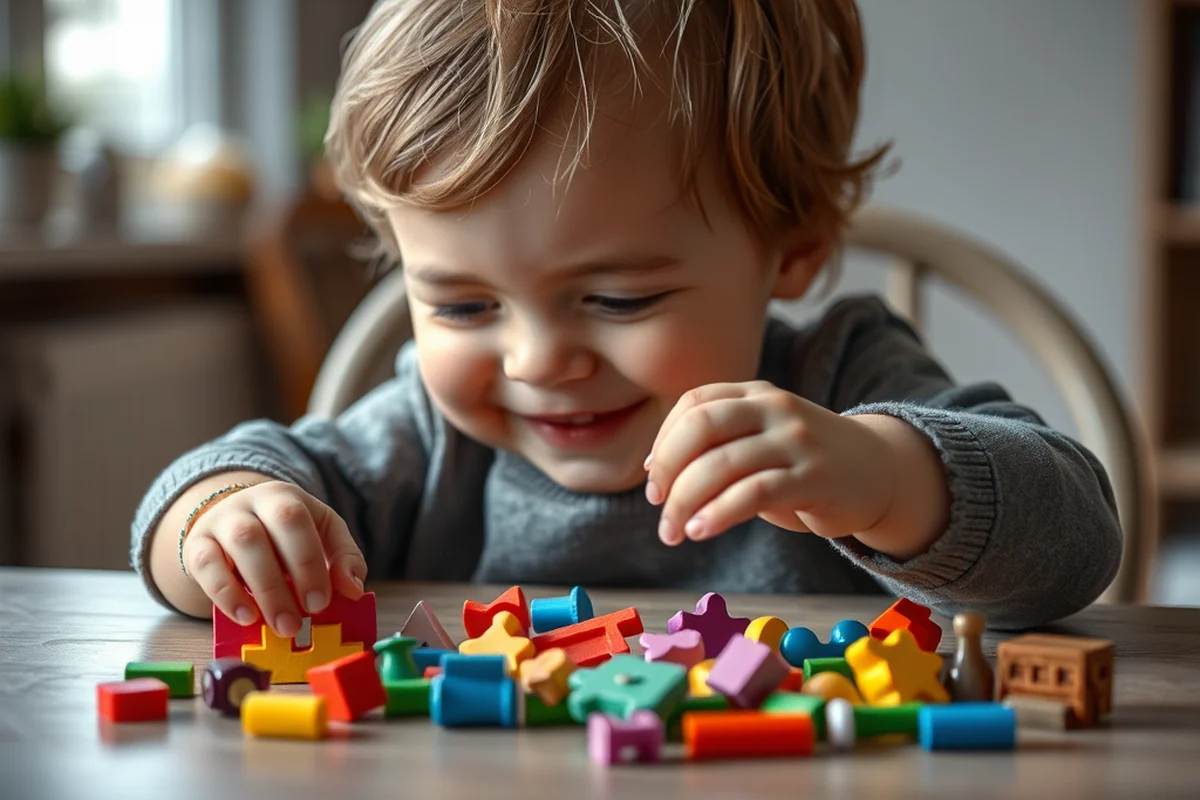
To get started with edible art, I recommend gathering a few basic materials. My go-to items are cookie dough, colored icing, fruit slices, and candy. These are all easily found at local stores, and they’re affordable. I also like to have a few different colors of icing and a variety of candies on hand to give kids more options for their creations.
It’s also helpful to set up a clean workspace, like a table or a tray, and to have a few paper plates or parchment paper ready for cleanup. I’ve found that having a few small containers for each material helps keep things organized and makes it easier for kids to access what they need. I often let my kids choose the materials they want to use, which gives them a sense of ownership over their creations.
When I first started with edible art, I made the mistake of trying to do too much at once. I tried to create a whole cake design with my daughter, and it got messy. Now, I focus on one project at a time and let the kids take the lead. This approach has made the process more enjoyable and has helped us create more meaningful memories together.
Start small, and let your kids take the lead — the results will surprise you.
Related: Edible paint for kids
The Benefits of Edible Art for Kids
Edible art helps children develop their creativity by allowing them to explore different shapes, colors, and textures. I’ve seen my daughter use fruit slices to create patterns and my son use cookie dough to make 3D shapes. These activities encourage them to think outside the box and come up with their own unique designs.
In addition to fostering creativity, edible art also helps improve fine motor skills. When kids use their hands to shape and arrange edible materials, they are working on their coordination, dexterity, and hand-eye coordination. I’ve noticed that my son has become more confident with his hands since we started doing edible art, and he’s even started helping me with other activities around the house.
Edible art also enhances sensory development by engaging children’s senses of touch, sight, and even smell. The texture of cookie dough, the sweetness of icing, and the coolness of fruit all provide unique sensory experiences. I’ve found that these activities help my kids become more aware of their surroundings and more curious about the world around them.
Mix and match different materials to keep the activity interesting and engaging for kids. This helps stimulate their senses and encourages exploration.
“When my daughter turned three, she asked to draw a picture of her favorite meal — a rainbow of fruit on a plate.”— Messysenses editors
Related: Things that should be edible
Edible Art for Different Ages
For toddlers, edible art can be as simple as squishing cookie dough into shapes or using fruit slices to make patterns. These activities are safe and allow young children to explore with their hands. I’ve found that my son, who is three, loves to squish cookie dough into balls and then roll them out into shapes. It’s messy, but it’s also a lot of fun.
For older children, edible art can be more complex. My daughter, who is six, enjoys creating intricate designs with colored icing and candy. She’s even started making her own cookie designs and using different techniques to create patterns. This helps her develop her fine motor skills and her ability to think creatively.
Edible art can also be a great way to engage the whole family. I’ve noticed that my husband, who isn’t a big fan of art activities, enjoys helping me with edible art. He finds it relaxing and fun, and it’s a great way for us to spend quality time together. Edible art is a versatile activity that can be adapted to suit any age or interest.
Related: Eatable edible tastes fine
Edible Art for Special Occasions
Edible art is a fun and creative way to celebrate special occasions. I’ve used it to make birthday cakes, holiday cookies, and even Valentine’s Day treats. These activities are not only fun for the kids but also make the event more memorable. My daughter’s birthday party was a hit when we all made personalized cookies with her name on them.
When we celebrate holidays, I like to use edible art to create themed decorations. For example, during Halloween, we made spooky cookie designs with candy eyes and chocolate ghosts. These decorations were not only fun to make but also made the house feel more festive. My kids loved the idea of being able to create their own decorations for the holiday.
Edible art can also be a great way to make special occasions more personal. I’ve seen my daughter create her own cookie designs for her friends, and it was a great way for her to express herself. Edible art is a versatile activity that can be used to create something unique for any special occasion.
Related: Edible art cake shop
The Role of Parents in Edible Art
As a parent, I’ve found that my involvement in edible art is just as important as the activity itself. I like to be there to help my kids with the more complex parts of the project and to encourage them to try new things. I’ve also learned that it’s important to let them take the lead and make their own decisions about what they want to create.
I’ve noticed that when I’m involved in edible art, it helps build a stronger connection with my kids. We spend time together, we share ideas, and we create something together. It’s a way to bond and to show them that I’m interested in their creativity and their interests.
I’ve also found that being involved in edible art helps me become a better parent. It allows me to see things from my kids’ perspective and to understand their interests and their strengths. I’ve learned that edible art is not just about making something with my hands — it’s about being present and being involved in my kids’ lives.
Being involved in edible art helps build stronger connections with your kids.
Related: Taste safe sensory materials
Edible Art as a Learning Tool
Edible art can be a fun and engaging way to teach children about different concepts. I’ve used it to teach my daughter about colors by having her create patterns with different colored icing. I’ve also used it to teach my son about shapes by having him make different shapes with cookie dough.
In addition to teaching colors and shapes, edible art can also be used to teach basic math concepts. For example, I’ve had my daughter count how many pieces of candy she used in her design or had my son divide cookie dough into equal parts. These activities help reinforce math skills in a fun and interactive way.
Edible art can also be used to teach children about patterns and sequences. I’ve had my daughter create a repeating pattern with fruit slices or had my son create a sequence of shapes with cookie dough. These activities help develop their problem-solving skills and their ability to think critically.
🎨 Gentle Approach
For parents who want a calm and structured activity that focuses on creativity and self-expression.
⚡ Fast-Track
For busy parents who want a quick and easy edible art activity that can be done in under an hour.
✈️ Travel/away-from-home
For parents who are on the go and want to bring edible art with them on trips or vacations.
👶 Multiples
For parents with multiple children who want to create edible art that can be enjoyed by all ages and abilities.
🔄 Regression Reset
For parents who want to help their children re-engage with creative activities after a period of disinterest or regression.
| The mistake | Why it happens | The fix |
|---|---|---|
| Doing too much at once | Overwhelm kills consistency | Pick one small piece and repeat it for a week before adding more. |
| Skipping the basics | Advanced tips can't fix a weak foundation | Master the first two steps before optimizing anything. |
What Is Edible Art
Common Questions
What materials do I need to start with edible art?
How can I make edible art safe for my kids?
Can edible art be used for educational purposes?
How can I make edible art more engaging for my kids?
References
- Louisiana Early Learning and Development Standards (doe.louisiana.gov)
- The Emergence of Edible and Food-Application Coatings for ... - PMC (pmc.ncbi.nlm.nih.gov)
- Our Epidemic of Loneliness and Isolation - HHS.gov (hhs.gov)
Cite this guide
Messysenses (2026). What Is Edible Art. https://messysenses.com/what-is-edible-art/
Feel free to cite or share this guide.