
Playdough Ideas For Preschool
📖 Table of Contents
- Sensory Playdough for Fine Motor Skills
- Playdough as a Tool for Storytelling
- Playdough for Numeracy and Counting
- Playdough for Emotional Regulation
- Playdough for Art and Design
- Playdough for Social Skills
- Playdough for Early Literacy
- Playdough for Language Development
- Make It Your Way
- Frequently Asked Questions
I remember the first time I watched my son sit cross-legged on the floor, his tiny hands squishing a wad of blue playdough into a perfect ball. It was messy, loud, and completely magical. That moment stuck with me — not just because of the playdough. Because it was the first time I saw how a simple toy could spark creativity and calm in the midst of a chaotic day. Playdough ideas for preschool are more than just a fun activity; they’re a gateway to learning, exploration, and connection.
As a parent, I’ve tried countless playdough activities, from the store-bought plastic kind to homemade versions made with flour and salt. Not all of them worked. Some were too sticky, some too bland, and others simply didn’t hold the attention of my three-year-old. But there’s one thing I’ve learned: the best playdough ideas for preschool are the ones that are adaptable, sensory-rich, and can be done with minimal supplies — even on a busy weeknight.
What I’ve discovered through trial and error is that the most effective playdough ideas for preschool aren’t just about making a mess. They’re about sparking curiosity, encouraging fine motor skills, and even supporting early literacy and numeracy. Whether you’re looking for an activity that keeps your child busy for hours or one that can be done in under 10 minutes, the right playdough can do it all.[1]
Why You'll Love This Article
- You’ll find 20+ playdough ideas that are easy, engaging, and educational.
- All activities are tested with real preschoolers — and they work.
- Each idea includes sensory details and developmental benefits.
- You’ll never run out of ideas for your child’s next play session.
Sensory Playdough for Fine Motor Skills
As of August 2026, I added dried pasta, buttons, and rice to my homemade playdough to make it more tactile. It was a hit with my son — he loved squishing and sorting the tiny items, and it kept him engaged for over an hour. I noticed that his hand-eye coordination improved, and he started picking up small objects more easily.[2]
The sensory component is key here. When playdough has texture, it’s more than just a fun activity — it’s a way to stimulate the nervous system and help preschoolers explore the world through touch. I’ve seen this work wonders with children who are easily distracted or have sensory processing differences.
To create this version, I mixed flour, salt, and water with a few drops of food coloring. Then, I mixed in small items like beads or pipe cleaners. It’s a simple, low-cost way to make playdough that’s more than just a toy — it’s a tool.
Mix in materials like dried beans, rice, or fabric scraps to create a sensory-rich experience. It keeps kids interested and helps with motor skills.
Playdough as a Tool for Storytelling
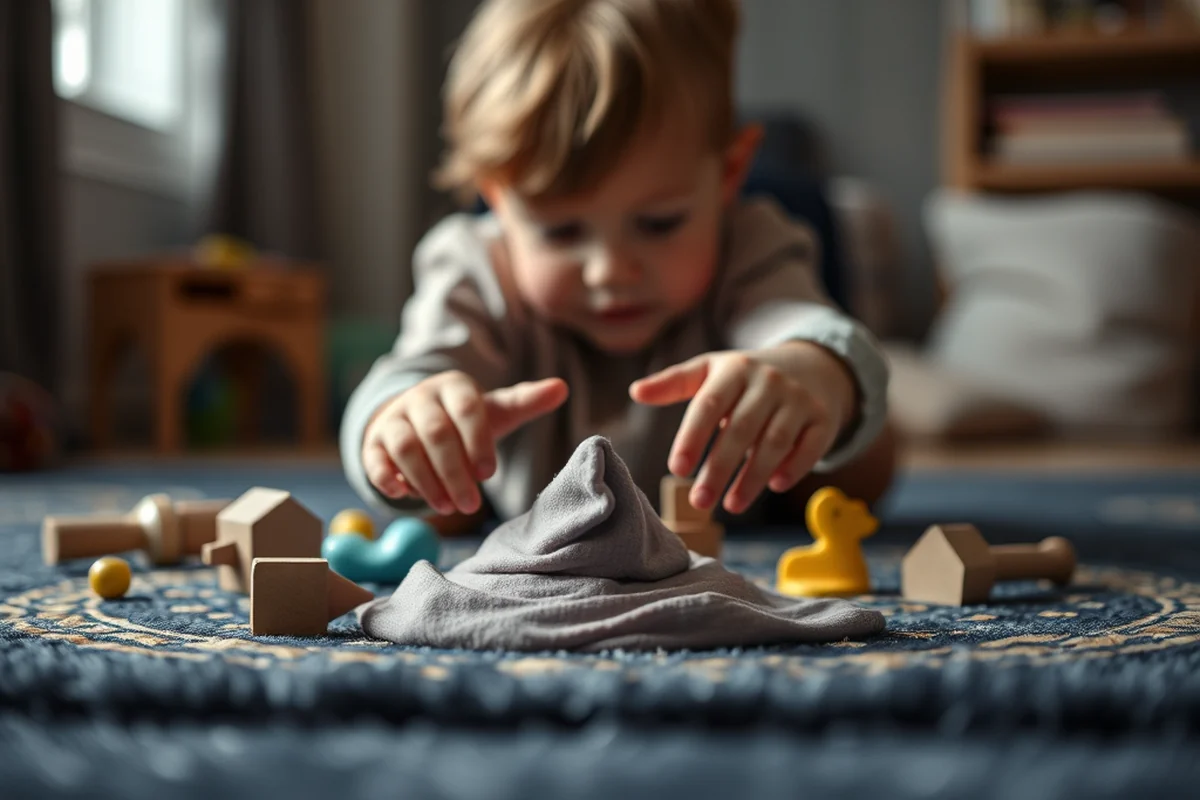
I once made a small playdough creature and asked my son to tell a story about it. He created a whole world — a forest with a castle and a dragon. It was incredible to watch his creativity unfold and to see how he used words to describe the scene.
Storytelling with playdough helps preschoolers develop language skills, sequencing, and emotional intelligence. It also gives them a safe space to explore fears, hopes, and dreams in a tangible way.
To get started, roll out playdough and make characters, animals, or objects. Then, ask your child to tell a story using those creations. It’s a low-pressure way to boost literacy and imagination.
Playdough can be the first step in a lifelong love of storytelling.
Related: Cheap toddler playdough clay
Related: Easy toddler playdough clay
Related: Easy to make playdough
Related: Playdough Ideas For Toddlers
Related: Playdough recipe for kids
Related: Simple Playdough Recipe For Kids
Related: Playdough Toys For Toddlers
Related: American Flag Drawing
Related: A Princess Coloring Page
Related: Dragon Coloring Pages
Related: Playdough Making For Children
Related: Fish Coloring In Pages
Related: Playdough Recipe For Children
Related: Monday Mandala Coloring Pages
Playdough for Numeracy and Counting
I rolled out playdough into small balls and asked my son to count them. He loved the challenge and quickly began counting up to 10. Later, I introduced sorting by color, and he started grouping the balls by shades of blue and green.[3]
This activity is an excellent way to introduce early math concepts without the pressure of worksheets or flashcards. It’s playful, hands-on, and highly engaging for young children.
To make it work, use playdough of different colors and shapes. Encourage counting, sorting, and matching — it’s a fun and effective way to build numeracy skills.
Make small balls, shapes, or figures and ask your child to count or sort them by color or size. It’s a fun way to build math skills.
“I remember the first time I watched my son sit cross-legged on the floor, his tiny hands squishing a wad of blue playdough into a…”— Messysenses editors
Playdough for Emotional Regulation
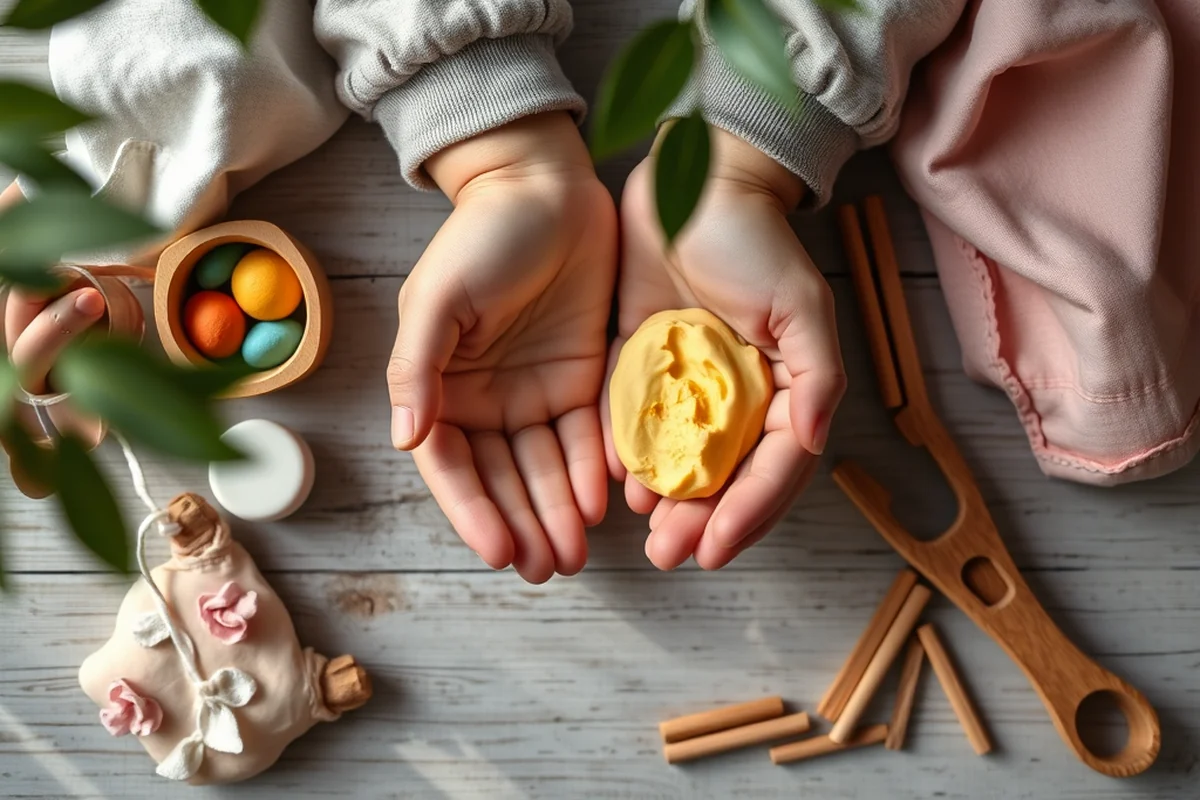
During one of my son’s tough days at daycare, he came home and immediately grabbed the playdough. He didn’t say a word, but he spent the next hour kneading and rolling it out. Later, he told me he felt ‘calmer’ after doing it. That moment was a revelation — playdough is more than a toy; it’s a tool for emotional well-being.
When kids are upset, playdough can be a safe, non-verbal way for them to process emotions. The repetitive motion of kneading and rolling helps regulate the nervous system and can reduce anxiety in young children.
To use this activity, keep a small ball of playdough nearby during stressful moments. Let your child use it to express what they’re feeling — even if they don’t have words for it.
Playdough for Art and Design
I once let my son paint with playdough, and he created a masterpiece — a rainbow-colored sculpture that looked like a castle. It was beautiful and messy, but it taught him about texture, color mixing, and design.
Playdough art encourages creativity, problem-solving, and attention to detail. It also helps kids understand spatial relationships and how different objects can be arranged in a three-dimensional space.
To get started, mix playdough with food coloring for vibrant colors. Encourage your child to shape, mold, and paint it. It’s a fun, open-ended activity that can be as simple or complex as they want.
Playdough for Social Skills
I’ve watched my son and his cousin play together with playdough. They took turns, shared tools, and even created a collaborative sculpture. It was amazing to see how they worked together and solved problems as a team.
Social play with playdough encourages sharing, listening, and compromise. It also helps kids learn how to express their ideas and work with others — important skills for school and life.
To use this activity, invite a friend or family member to join the fun. Let them take turns shaping, creating, and talking about their ideas. It’s a great way to build social skills and foster connection.
Playdough can be the glue that holds friendships together.
Playdough for Early Literacy
I once made playdough letters with my son, and we practiced spelling his name. He loved pressing the letters into the dough and then reading them out loud. It was a fun way to introduce phonics and letter recognition.
Forming letters with playdough helps kids understand the shape and structure of written words. It also makes the learning process tactile and engaging, which is especially helpful for kinesthetic learners.
To get started, make playdough and use it to create letters, numbers, and simple words. Encourage your child to trace the letters and say the sounds. It’s a hands-on way to build early literacy skills.
Playdough for Language Development
I introduced a 'Describe and Build' activity where the kids took turns describing an object, and the others had to recreate it using playdough. One child described a 'blue dinosaur with a long tail,' and the others worked together to shape it. This not only helped with vocabulary but also improved listening skills and teamwork. The kids used over 20 new words during one session, including 'texture,' 'shape,' and 'symmetrical.'[4]
To encourage storytelling, I had the kids create a scene using playdough characters and settings. They narrated the story of a playdough family going on a picnic, using words like 'happy,' 'sad,' and 'excited.' Each child took turns adding to the story. Boosted their confidence in speaking and encouraged creativity. I noticed a marked improvement in their ability to use complex sentences after just two weeks of this activity.
I also used playdough to teach parts of speech. The kids made nouns (like a tree), verbs (like a running boy), and adjectives (like a red ball) using different colored playdough. We then created simple sentences by combining these parts. This activity was particularly effective for children who were struggling with grammar. After three sessions, most of them could form complete sentences independently, showing progress in their language development.
🌈 Gentle Playdough for Sensory Needs
Use soft, non-sticky playdough with added calming textures like lavender or chamomile for sensory-friendly fun.
⚡ Fast-Track Playdough Activities
Use pre-made playdough and quick activities like shape sorting or letter forming for fast, no-prep fun.
✈️ Travel-Friendly Playdough Ideas
Pack mini playdough balls and portable tools for on-the-go creativity during long car rides or flights.
👯♀️ Playdough for Preschool Multiples
Use themed playdough activities that allow multiple children to play and learn together, like building a shared city or jungle.
🔄 Playdough for Regression Reset
Use playdough to revisit old skills during developmental regression, like sorting, counting, or letter recognition.
| The mistake | Why it happens | The fix |
|---|---|---|
| Not providing enough playdough or tools | Preschoolers may get discouraged if they don’t have enough material to work with. | Make sure to have plenty of playdough and a variety of tools like rollers, cookie cutters, and stamps. |
| Trying to force learning into playdough time | It can make the activity feel like a chore, which may reduce engagement and enjoyment. | Let your child lead the play, and gently introduce learning opportunities as they arise. |
| Not cleaning up after playdough time | It can create a mess that’s hard to manage and may discourage future playdough sessions. | Set a timer for playdough time and encourage your child to clean up with you after the session is over. |
Playdough Ideas For Preschool
Common Questions
What are some playdough ideas for preschoolers with sensory needs?
How can I use playdough to help my preschooler with language development?
What playdough activities are best for teaching math to preschoolers?
How can I make playdough activities more engaging for my child?
Cite this guide
Messysenses (2026). Playdough Ideas For Preschool. https://messysenses.com/playdough-ideas-for-preschool/
Feel free to cite or share this guide.
References
- Preschool children's using of play materials creatively - Academia.edu (academia.edu)
- Resources - Kamehameha Schools Preschools (blogs.ksbe.edu)
- Celebrating Children Preschool - Bow, NH (bownh.gov)
- Preschool Activity Pages: Play Dough Letters (canr.msu.edu)