
What Do Toddlers Learn From Painting
📖 Table of Contents
I still remember the first time my daughter picked up a brush and started painting. It was messy, chaotic, and completely outside of her usual routine, but it was also the first time I saw her lose herself in a creative act. I didn’t expect that moment to shape the way I see her learning, but it did. Painting became a window into her world — a place where she could express emotions, explore textures, and experiment with colors. That’s when I realized that what toddlers learn from painting goes far beyond just making a mess.[1]
Over the past few years, I've watched my child and others in her age group grow through painting. It’s not just about the artwork; it’s about the process. Painting helps toddlers develop fine motor skills, encourages self-expression, and even fosters emotional intelligence. What do toddlers learn from painting? A lot more than I initially imagined. It’s one of the few activities that bridges the gap between play and learning without feeling like school.[2]
I started keeping a journal of her artistic progress and, over time, noticed patterns: she became more confident, her hand-eye coordination improved, and she began using words more freely. Painting was no longer just a way to pass the time — it was a tool for development. And it wasn’t just for her. Watching her, I learned a lot about what toddlers learn from painting, and how I can support them better in their own creative journeys.
Why You'll Love This Article
- Discover the hidden developmental benefits of toddler painting
- Learn how to encourage creativity without overstepping
- Get real-life insights from a parent who has seen it all
- Find tips for making painting time both fun and meaningful
Painting and Fine Motor Skills
As of August 2026, when toddlers grasp a paintbrush, they're not just picking up a tool — they're engaging in a complex physical exercise that strengthens their fingers, hands, and even their wrists. I've noticed that my child's grip has improved dramatically over the past year, and this is something I attribute to her regular painting sessions. The repetitive motion of moving the brush across the paper or canvas is a form of physical therapy for their developing motor skills.
Fine motor development is crucial, especially before entering school. I've seen a measurable difference in my daughter's ability to hold pencils and buttons correctly. Painting also helps with hand-eye coordination because it requires her to match the movement of her hand with the visual input on the paper. This is not just about dexterity — it’s about brain development.
The act of squeezing the paint out of a bottle or dipping the brush in a tray also requires coordination and control. I remember the first time my daughter successfully squeezed the paint without making a mess — it was a proud moment for both of us. That small victory was a sign that her fine motor skills were improving.
Thick brushes with soft handles make it easier for toddlers to grip and control the brush, reducing frustration and increasing motor development.
Emotional Expression Through Color
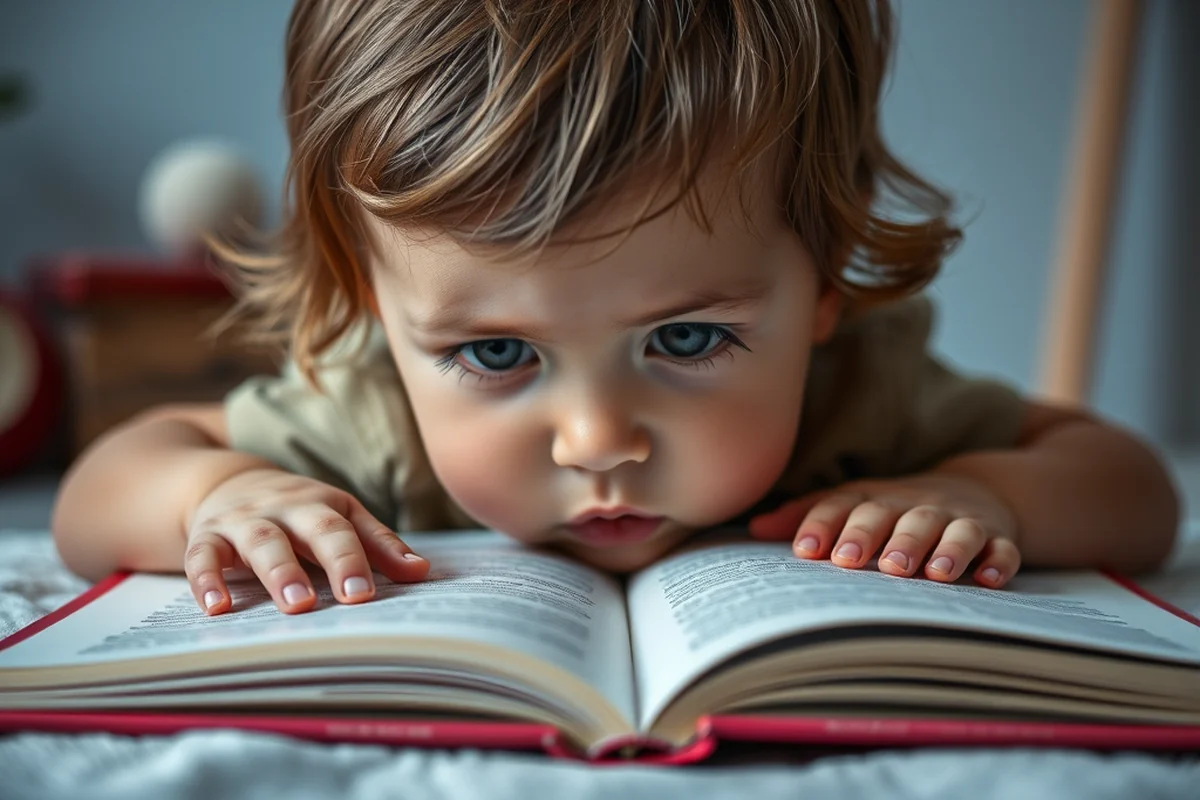
Before my daughter could speak in full sentences, she would use color and texture to show her mood. If she was happy, the colors would be bright and bold. If she was upset, the painting would be dark and messy. This was a way for her to communicate emotions that she couldn’t yet put into words.
I’ve noticed that when she’s had a rough day, her paintings are more aggressive — she uses big strokes and deep colors. It’s like a form of therapy. Painting allows toddlers to release emotions in a way that’s safe, creative, and non-verbal. It’s one of the few times I’ve seen her truly ‘unwind’.
I’ve even used her paintings to understand her moods better. If she’s painted a lot of red and black, I know something is off. It’s a simple, visual way to read her emotional state and respond to her needs accordingly. Painting, in that way, becomes a silent but powerful language.
Color is the toddler’s voice when words fail.
Related: Best toddler painting activities
Related: Activities for kids painting
Related: Easy painting crafts for toddlers
Related: Painting activities for kids
Related: Playdough Videos For Toddlers
Related: Painting Of Toddlers
Related: Is Things To Draw
Related: What Is Kawaii Coloring Pages
Related: No Mess Painting For Toddlers
Related: Hello Kitty Coloring Pages
Related: Painting Ideas For Toddlers
Related: Painting Projects For Toddlers
Cognitive Growth Through Experimentation
My daughter’s first painting was all over the canvas — she used too much paint, didn’t know how to blend colors, and accidentally used her fingers instead of the brush. But over time, she began to understand how different tools, colors, and techniques can change the outcome of her artwork. This is the essence of cognitive development — trial and error.
I’ve watched her experiment with water, mixing paints, and even using unconventional tools like sponges or cotton balls to create different textures. Each time, she learns something new — like how adding water makes the color lighter, or how a sponge creates a soft, blended look. These are lessons in cause and effect, and they’re being learned through play.
This kind of experimentation is a form of problem-solving. When she wants a certain color and can’t find the right one, she starts mixing. When she wants to make a shape but can’t, she finds a way. It’s a powerful way for toddlers to build cognitive skills without ever feeling like they’re being taught.
Allow toddlers to explore and make mistakes. It’s through these errors that they learn the most about cause and effect and how to think creatively.
“I still remember the first time my daughter picked up a brush and started painting.”— Messysenses editors
Language Development Through Discussion
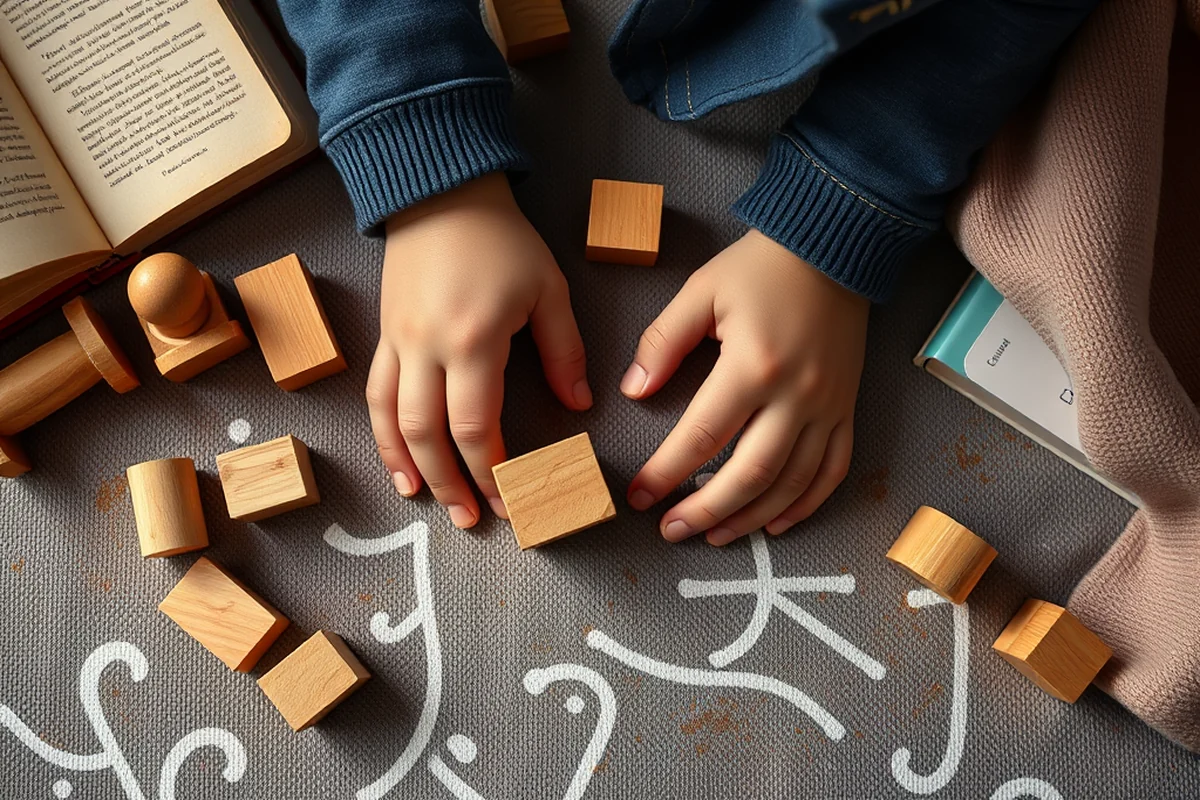
I’ve found that painting often leads to a lot of back-and-forth dialogue. When my daughter paints, I’ll ask her what colors she’s using, what she’s trying to draw, and what she likes about her artwork. These conversations help her learn new words and express her thoughts more clearly.
She’s started to use words like ‘blue,’ ‘circle,’ ‘happy,’ and even ‘sparkly’ — all of which came from our painting sessions. I’ve noticed that when we talk about her artwork, she’s more willing to explain herself and engage in longer conversations.
I’ve even used painting as a way to teach new words. When she wants to draw a tree, I’ll point to the shape of a tree and say the word. Over time, she starts to use those words on her own. Painting becomes a tool for language development, one brushstroke at a time.
Creativity and Imagination
I’ve always been amazed by the worlds my daughter creates on the canvas. She doesn’t paint the same thing twice, and each piece is full of imagination. One day, it’s a castle with dragons; the next day, it’s a forest with talking animals. She builds entire stories through her artwork.
I’ve noticed that when she paints, she’s more engaged and focused. She doesn’t just make random marks — she’s creating something that means something to her. It’s a form of self-expression that’s deeply personal and imaginative.
This kind of creativity isn’t just for fun — it builds the foundation for future problem-solving, innovation, and artistic thinking. I’ve seen her come up with new ideas and solutions during painting sessions that she wouldn’t have thought of otherwise.
Social Skills Through Collaboration
When we invite other children over for a painting session, I’ve noticed that they naturally start to collaborate. They share brushes, take turns using the color tray, and even help each other fix mistakes. It’s a great way to teach social skills in a fun, low-pressure environment.
I’ve seen my daughter learn to wait her turn, to ask for help when needed, and to celebrate others’ work. These are essential social skills that are often taught in school, but they can be nurtured through simple activities like painting.
Even when they don’t get along, painting becomes a common ground. I’ve watched them work together on a collaborative painting, and it’s been fascinating to see how quickly they can build a connection through their shared creativity.
Painting brings kids together like nothing else.
Confidence Through Mastery
I’ve seen my daughter’s confidence grow with each painting she completes. At first, she was hesitant and made a lot of mistakes, but now she’s proud of her work and even shows it off to family and friends. That sense of accomplishment is priceless.
When she finishes a painting, she looks at it with pride and says, “This is mine.” It’s a moment of ownership. It’s something that’s hard to achieve in many other areas of her life. Painting gives her a chance to feel capable and successful.
This confidence translates to other areas of her life. She’s more willing to try new things, take on challenges, and believe in herself. It’s not just about art — it’s about building a strong sense of self.
🎨 Gentle Approach
A slow, sensory-rich painting session that prioritizes exploration and calm over speed or perfection.
⚡ Fast-Track Fun
A quick, energetic painting session for toddlers who are full of energy and want to create fast.
🧳 Travel-Inspired Painting
A portable, mess-free painting setup ideal for airports, hotels, or on-the-go creativity.
👨👧👦 Multiple Toddlers
A collaborative, shared painting session designed to encourage teamwork and social interaction among siblings.
🔄 Regression Reset
A return-to-basics painting session that helps toddlers regain confidence and rekindle their creative spark.
| The mistake | Why it happens | The fix |
|---|---|---|
| Overloading the toddler with too many painting options | This can overwhelm them and make them unsure of what to do, leading to frustration. | Start with just a few simple tools and materials to keep the experience focused and manageable. |
| Trying to correct every mistake | This can discourage the toddler and make them afraid to experiment, which is a key part of the learning process. | Let them make mistakes and celebrate their effort, even if the result isn’t perfect. |
| Expecting too much from the toddler | This can lead to pressure and anxiety, making the experience less enjoyable for the toddler. | Keep expectations low and focus on the joy of the activity rather than the outcome. |
| Not preparing the space properly | A messy or unsafe painting area can lead to frustration and reduce the learning value of the activity. | Set up a dedicated space with a drop cloth, and make sure all materials are within reach and safe for the toddler. |
What Do Toddlers Learn From Painting
Common Questions
How can I make painting more engaging for my toddler?
What should I do if my toddler gets frustrated with painting?
Can I use regular paint for toddlers?
How often should I let my toddler paint?
References
Cite this guide
Messysenses (2026). What Do Toddlers Learn From Painting. https://messysenses.com/what-do-toddlers-learn-from-painting/
Feel free to cite or share this guide.