
Easy Toddler Art Ideas
📖 Table of Contents
I remember the day my daughter, then two, reached for my phone and tried to 'draw' on the screen. Her tiny fingers, sticky with apple juice, smudged the screen with a mix of curiosity and chaos. I panicked at first — what if she got distracted, or spilled something? But then I realized: this was a moment. A real, messy, toddler-filled moment. And I wanted to turn it into something beautiful. So I grabbed a paper towel, some crayons and a few minutes of undivided attention, and we made our first real art piece together. It wasn’t perfect, but it was hers — and it sparked something in me.
Easy toddler art ideas are not about creating museum pieces or following strict guidelines. They’re about the chaos, the colors, the giggles, and the little sticky fingers that leave a trail of joy across every surface. For parents who are juggling work, sleepless nights, and the endless demands of a tiny human, it’s easy to feel like art time is a luxury. But it doesn’t have to be. With a few simple materials and a little creativity, you can transform ordinary moments into a canvas of imagination. And the best part? You don’t need a degree in art to help your toddler explore their world through color and shape.[1]
I’ve tested dozens of art ideas with my own kids, and I’ve learned that the key to making these moments work is simplicity. Easy toddler art ideas mean minimal setup, minimal cleanup, and maximum fun. It’s not about perfection — it’s about connection. It’s about the way your toddler’s eyes light up when they see a rainbow of colors, or how they proudly show you their ‘masterpiece’ even if it looks like a scribble. And it’s about knowing that these little moments, though fleeting, are some of the most precious ones in the early years of parenting.
Why You'll Love This Simple Approach to Toddler Art
- Encourages creativity without the pressure of perfection
- Uses everyday materials you already have at home
- Provides a bonding activity that’s easy to adapt for different ages
- Leaves lasting memories in the form of colorful, messy masterpieces
The Power of Open-Ended Art
As of August 2026, Open-ended art is like giving your toddler a blank canvas — or better yet, a pile of paper towels and a bucket of water. It’s not about following a step-by-step guide; it’s about letting them explore, make mistakes, and find joy in the process. I’ve found that when I give my toddler a few different materials — like crayons, markers, and paper — they often surprise me with their creativity. Sometimes they make a rainbow. Sometimes they make a ‘monster’ with messy lines. Either way, the freedom to create without rules is what makes the activity so special.[2]
One of the best things about open-ended art is that it allows your toddler to lead the way. They choose the colors, the tools, and even the type of paper they use. I’ve seen my daughter pick up a crayon, then decide she wants to use her fingers instead. That’s okay — we go with it. The goal isn’t to teach her to draw a specific shape, but to let her discover what she can do. And the results? They’re often unexpected and absolutely magical.[3]
I’ve used this approach for over a year now, and it’s become one of our favorite ways to spend time together. There’s no pressure to make something perfect, no stress about cleaning up right away, and no need to be a perfect parent in the process. It’s just us, messy and happy, making art that’s uniquely ours.
Keep it simple: crayons, markers, paper, and a few washable materials. Let your toddler choose where to begin and what to create.
Simple Art with a Twist
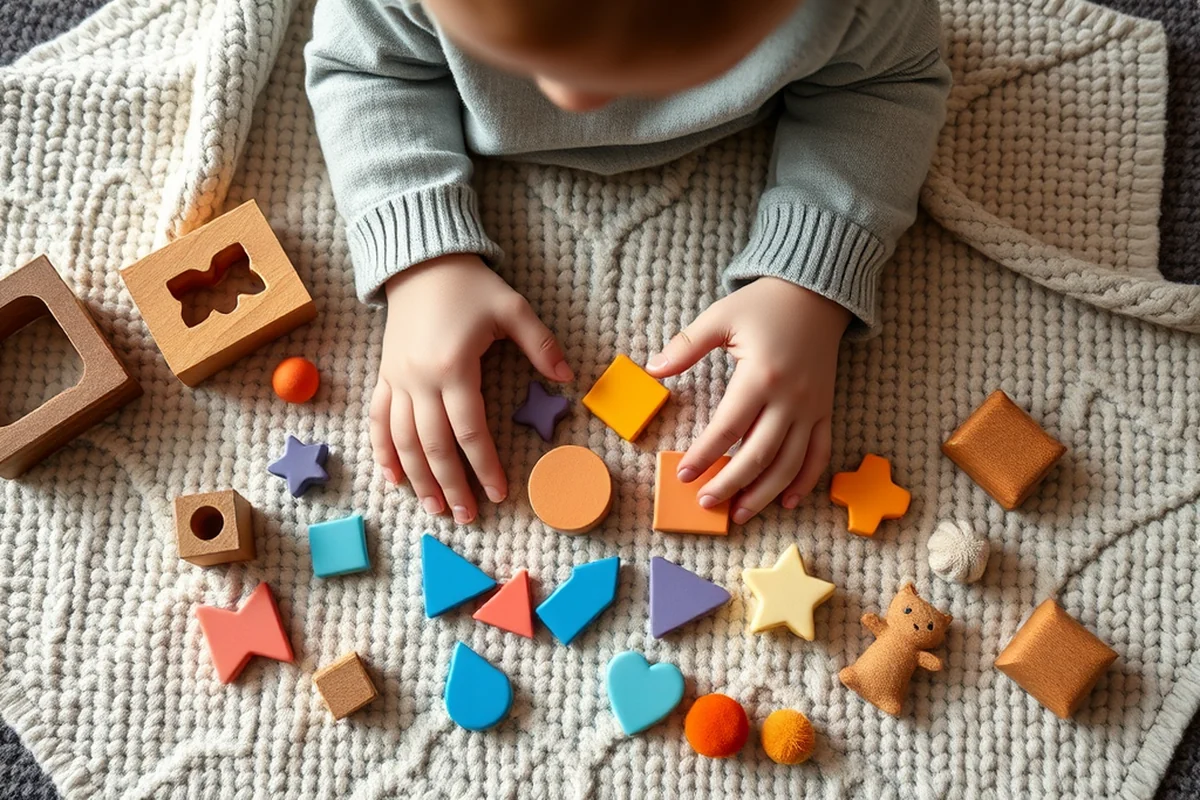
I love adding a twist to simple art because it keeps things fresh and fun. One of my favorite ideas is to use a ‘color wheel’ — I cut out a circle with colored sections and let my toddler spin it to choose their next color. It’s not only a way to introduce new colors, but it also adds a touch of interactivity to the activity. Another twist is to use different textures — like fabric scraps or bubble wrap — to press into paint and create interesting patterns.
I’ve also used this method to incorporate storytelling into art. We’ll read a book about animals, then use our artwork to create a picture of the story. My toddler loves this, and it’s a great way to reinforce what she’s learning through reading. The twist might be subtle, but it’s enough to keep her interested and excited about creating.
The key is to let your toddler take the lead. If she wants to add a twist, go with it. If not, that’s okay too. The goal is to make art fun and engaging, not to force creativity.
A twist can turn a simple activity into an adventure.
Related: What age is the toddler stage
Related: Easy toddler art by age stage
Related: Art ideas early years
Related: Art class for toddlers
Related: Art projects for toddlers age 2
Related: An Easy Drawing Ideas
Related: Easy Sand Art For Beginners
Related: Fairy Coloring Pages
Related: Puppy Coloring Pages
Related: Monster Truck Coloring Pages
Related: Hello Kitty Coloring Pages
Related: Toddler Art Supplies
Related: What Is Easy Things To Draw
Messy Play with a Purpose
Messy play is one of my favorite ways to help my toddler explore the world around her. Whether it’s finger painting, mixing colors in a bowl, or using a paintbrush to splatter water, messy play is all about the sensory experience. I’ve found that when she’s allowed to get messy, she’s more likely to take risks and try new things. It’s also a great way to teach her about cause and effect — like what happens when you mix red and blue paint together.
One of the best parts of messy play is that it doesn’t require a lot of preparation. I can grab a few bowls of water, some food coloring, and a few paper towels and we’re ready to go. It’s also a great way to incorporate learning into the activity. I’ve used it to teach her about colors, shapes, and even basic math by asking her to count how many drops of water she can put into a bowl.
The key to messy play is to keep it safe and fun. I always make sure to use washable materials and keep the area contained to a small space. It’s a little messy, but it’s worth it for the joy and learning that comes from it.
Use a tray or a mat to contain the mess and make cleanup easier. This also helps your toddler stay focused on the activity rather than the cleanup.
“I remember the day my daughter, then two, reached for my phone and tried to 'draw' on the screen.”— Messysenses editors
Art That Encourages Storytelling
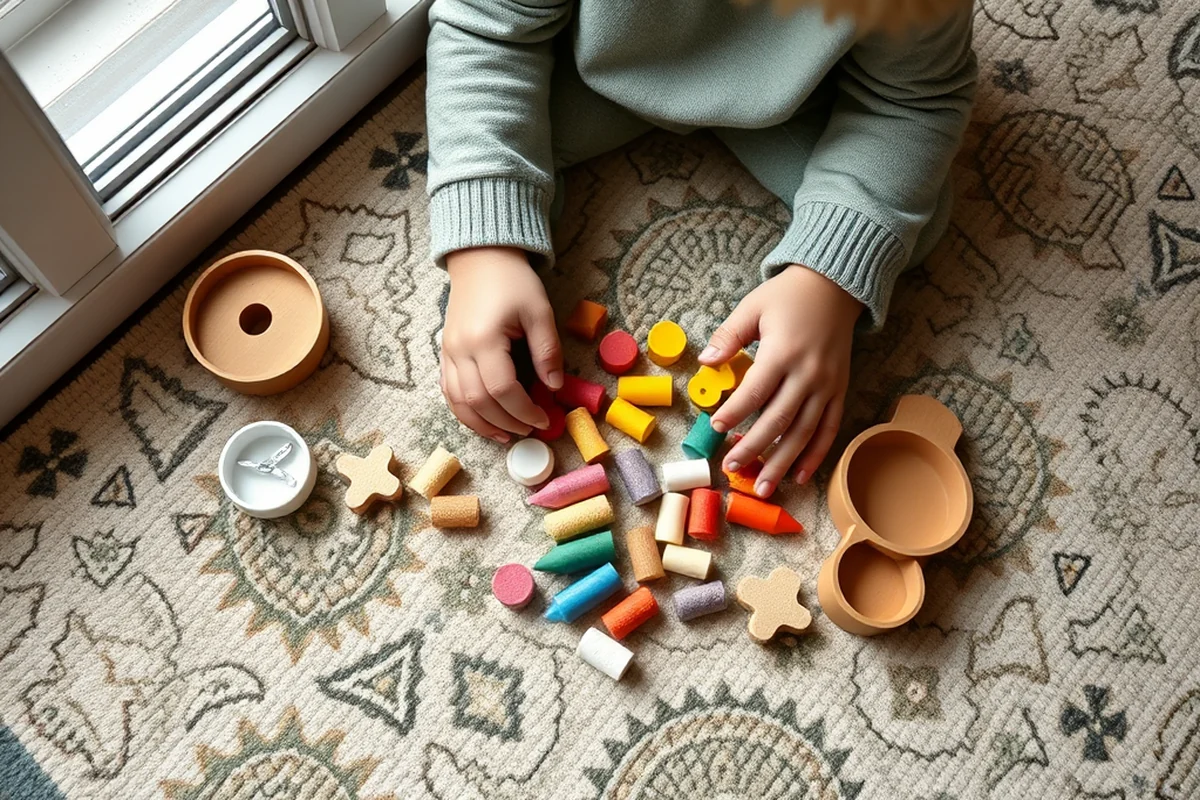
Storytelling through art is a powerful way to help your toddler express their thoughts and emotions. I’ve found that when we create art together, it’s a great opportunity to ask questions and encourage them to tell stories about their artwork. We’ll look at the colors, shapes, and patterns and ask, ‘What do you see?’ or ‘What’s this picture about?’
One of my favorite ways to encourage storytelling is to use a ‘story board’ — a large piece of paper where we create a sequence of pictures that tell a story. We’ll start with a character, then add a setting, and finally a problem and a solution. It’s a great way to help your toddler think about the structure of a story and the importance of a beginning, middle, and end.
I’ve also used this method to help my toddler work through emotions. If she’s feeling sad or angry, we’ll create an art piece that represents her feelings and then talk about them. It’s a safe and creative way to help her process what she’s going through.
Art That Encourages Fine Motor Skills
Fine motor skills are essential for your toddler’s development, and art is a great way to help them build these skills. I’ve found that activities like using tweezers to pick up small objects, drawing with crayons, or using a paintbrush to make small strokes all help to strengthen their hand muscles and improve their coordination.
One of my favorite activities to help with fine motor skills is using small objects like buttons or beads to create patterns on a piece of paper. I’ll set up a tray with different colored beads and let my toddler choose which ones to use. It’s a great way to help them practice the pincer grip and improve their hand-eye coordination.
Another activity that helps with fine motor skills is using a ‘dot marker’ — a small brush with a felt tip that allows your toddler to make small dots on a piece of paper. It’s a great way to help them practice controlled movements and improve their motor skills in a fun and engaging way.
Art That Encourages Emotional Expression
Art is a powerful tool for emotional expression, and I’ve found that it’s a great way to help my toddler understand and manage her feelings. Whether she’s feeling happy, sad, or frustrated, creating art together gives her a safe space to express herself. I’ve noticed that when she’s feeling overwhelmed, she often turns to art as a way to calm herself down and process her emotions.
One of my favorite activities to encourage emotional expression is to use ‘feelings cards’ — cards with different emotions on them, like happy, sad, angry, or excited. We’ll look at the cards together and then create an art piece that represents the feeling. It’s a great way to help her learn about different emotions and how to express them.
I’ve also used this method to help her work through difficult emotions. If she’s feeling scared or anxious, we’ll create an art piece that represents her feelings and then talk about them. It’s a safe and creative way to help her process what she’s going through.
Art is a safe space for emotions to be expressed and explored.
Art That Encourages Imagination
Imagination is one of the most important skills your toddler can develop, and art is a great way to help them explore new ideas and think creatively. I’ve found that when we create art together, it’s a great opportunity to ask open-ended questions and encourage them to think about what they’re creating. We’ll look at the colors, shapes, and patterns and ask, ‘What do you see?’ or ‘What’s this picture about?’
One of my favorite ways to encourage imagination is to use a ‘story board’ — a large piece of paper where we create a sequence of pictures that tell a story. We’ll start with a character, then add a setting, and finally a problem and a solution. It’s a great way to help your toddler think about the structure of a story and the importance of a beginning, middle, and end.
I’ve also used this method to help my toddler explore new ideas. If she’s feeling stuck or unsure of what to create, I’ll ask her to imagine a new world or a new character. It’s a fun and engaging way to help her think creatively and explore new ideas.
🖌️ Gentle Art Time
Perfect for toddlers who need a calmer, more structured approach to creating. Use soft materials and slow, guided steps to keep them focused.
⚡ Fast-Track Art
Ideal for busy parents who need a quick, no-fuss art session. Use simple materials and keep the activity short and fun.
✈️ Travel Art
Great for on-the-go art sessions. Use portable materials and focus on activities that don’t require a lot of space or cleanup.
👨👧👦 Multiple Kids Art
Perfect for families with more than one toddler. Choose activities that allow each child to create independently, but still feel connected.
🔄 Regression Reset Art
Ideal for toddlers who are going through a developmental regression. Use art to help them process their emotions and regain confidence.
| The mistake | Why it happens | The fix |
|---|---|---|
| Not allowing enough time for the toddler to explore and create. | If you rush the activity, your toddler may not have the chance to fully engage with the materials or explore their creativity. | Let your toddler take their time to explore and create. Allow them to set the pace of the activity and make sure to be patient. |
| Using too many materials at once. | Using too many materials can overwhelm your toddler and make the activity feel too complex or confusing. | Start with a few simple materials and gradually introduce new ones as your toddler becomes more comfortable with the activity. |
| Forcing the toddler to follow a specific creative direction. | Forcing a toddler to follow a specific creative direction can make the activity feel more like a chore than a fun and engaging experience. | Let your toddler take the lead and follow their interests. Encourage them to explore and create in their own way. |
| Not cleaning up properly after the activity. | Not cleaning up properly can lead to a mess and may discourage your toddler from participating in future art sessions. | Make sure to clean up thoroughly after each activity. This helps to keep the space tidy and makes it easier for your toddler to enjoy the activity in the future. |
Easy Toddler Art Ideas
Common Questions
What materials do I need for easy toddler art ideas?
How long should an art session last for a toddler?
What if my toddler is not interested in art?
How can I make art time more engaging for my toddler?
References
- Supporting the A in STEAM with Infants and Toddlers | HeadStart.gov (headstart.gov)
- Supporting Preschoolers' Creativity in Natural Outdoor Classrooms (files.eric.ed.gov)
- South Carolina Early Learning Standards (ed.sc.gov)
Cite this guide
Messysenses (2026). Easy Toddler Art Ideas. https://messysenses.com/easy-toddler-art-ideas/
Feel free to cite or share this guide.