
Sensory Play By Age & Stage

📖 Table of Contents
Sensory play by age and stage is a powerful tool for early childhood development, offering hands-on learning experiences that stimulate sight, sound, touch, taste, and smell. Whether your child is a newborn, toddler, or preschooler, tailoring sensory activities to their developmental stage can enhance cognitive, motor, and emotional skills. This guide provides a comprehensive overview of how sensory play evolves with age, along with practical checklists, examples, and strategies for parents at every level.[4]
From the moment a baby explores their environment with their hands to a preschooler learning through imaginative play, sensory activities are designed to grow with the child. These activities not only foster curiosity and creativity but also support critical milestones like hand-eye coordination, language development, and problem-solving. Understanding the right type of sensory play for each stage ensures your child gets the most developmental benefit.[5]
This article will walk you through what sensory play looks like at each age, provide actionable ideas, and address common concerns for new parents. With a focus on accessibility, affordability, and practicality, this hub guide aims to give you everything you need to make the most of sensory play in your child’s life.
Key Takeaways
- Sensory play is most effective when tailored to a child's age and developmental stage.
- A variety of materials and activities can be adapted to fit different spaces and budgets.
- Parents should focus on safety, engagement, and allowing exploration without over-directing.
- Printables and checklists can help structure sensory play while keeping it fun and educational.
Checklists
As of August 2026, a sensory play checklist can be a game-changer for parents who want to ensure their child's playtime is both safe and developmentally appropriate. These lists often include items like age-appropriate materials, safety considerations, and activity suggestions. For example, a checklist for a 12-month-old might include soft textures, safe exploration tools, and sensory bins filled with washable materials.[1]
Checklists are especially useful for new parents or those with multiple children, as they help maintain consistency and variety in sensory play routines. They can also serve as a quick reference for caregivers, teachers, or family members who may be involved in a child's playtime. For instance, a checklist for a 3-year-old might include items like building blocks, sensory bottles, and interactive games that promote fine motor skills.
Studies have shown that structured sensory play can improve attention span and cognitive development in young children. A well-organized checklist ensures that parents don't overlook key developmental milestones. For example, a checklist for a 5-year-old could include items like art supplies, musical instruments, and games that encourage social interaction and creativity.[2]
Examples & Ideas

For infants, sensory play often involves simple, safe materials that engage the senses, such as soft blankets, textured toys, and high-contrast books. These items help develop visual tracking, grasping, and hand-eye coordination. For example, a baby might enjoy playing with a soft, crinkly book that makes noise when touched, encouraging exploration and curiosity.
As toddlers grow, their sensory play becomes more active and complex. They may enjoy playing with water, sand, or playdough, which allows them to explore texture, pressure, and cause-and-effect. A toddler might delight in pouring water from one container to another, improving fine motor skills and understanding of volume and flow.
Preschoolers can engage in more advanced sensory activities, such as painting, building with blocks, or using sensory bins filled with rice, beans, or pasta. These activities help develop creativity, problem-solving, and language skills. For instance, a preschooler might create a sensory bin with hidden objects to find, promoting sensory exploration and cognitive development.
Related: Sensory Play Troubleshooting Phases Mistakes To Avoid
Related: Sensory Play Phases Checklist
Related: How To Make Edible Images
Related: Flower Process Art For Toddlers
Related: What Age Is The Toddler Stage
Related: Dragon Coloring Pages
Related: What Is Color Sheets
Related: Kpop Demon Hunters Coloring Pages
Related: Fairy Coloring Pages
Related: Monster Truck Coloring Pages
Related: Fish Coloring In Pages
Related: Shark Coloring Pages
Related: Bluey Coloring Pages
Related: What Should I Draw
Printables
Printable sensory play guides, checklists, and activity sheets are an excellent resource for parents who want to plan and track their child's sensory experiences. These printables can be tailored to specific age groups, making it easy to find the right activities for each developmental stage. For example, a printable checklist for a 6-month-old might focus on high-contrast visuals and soft textures, while one for a 2-year-old might include items like sensory bins and interactive games.
Printables can also serve as educational tools, helping parents understand the benefits of various sensory activities and how they support development. Many printables include diagrams, step-by-step instructions, or even suggested materials for each activity. This makes it easy for parents to prepare and implement sensory play sessions without the need for extensive planning.
With the rise of digital resources, printable sensory play materials are more accessible than ever. Many websites and parenting blogs offer free or low-cost printable guides that can be downloaded and used immediately. These resources are especially helpful for parents who may not have time to create their own materials from scratch, ensuring that sensory play is both engaging and educational.
“Sensory play by age and stage is a powerful tool for early childhood development, offering hands-on learning experiences that stimulate sight, sound, touch”— Messysenses editors
For Beginners
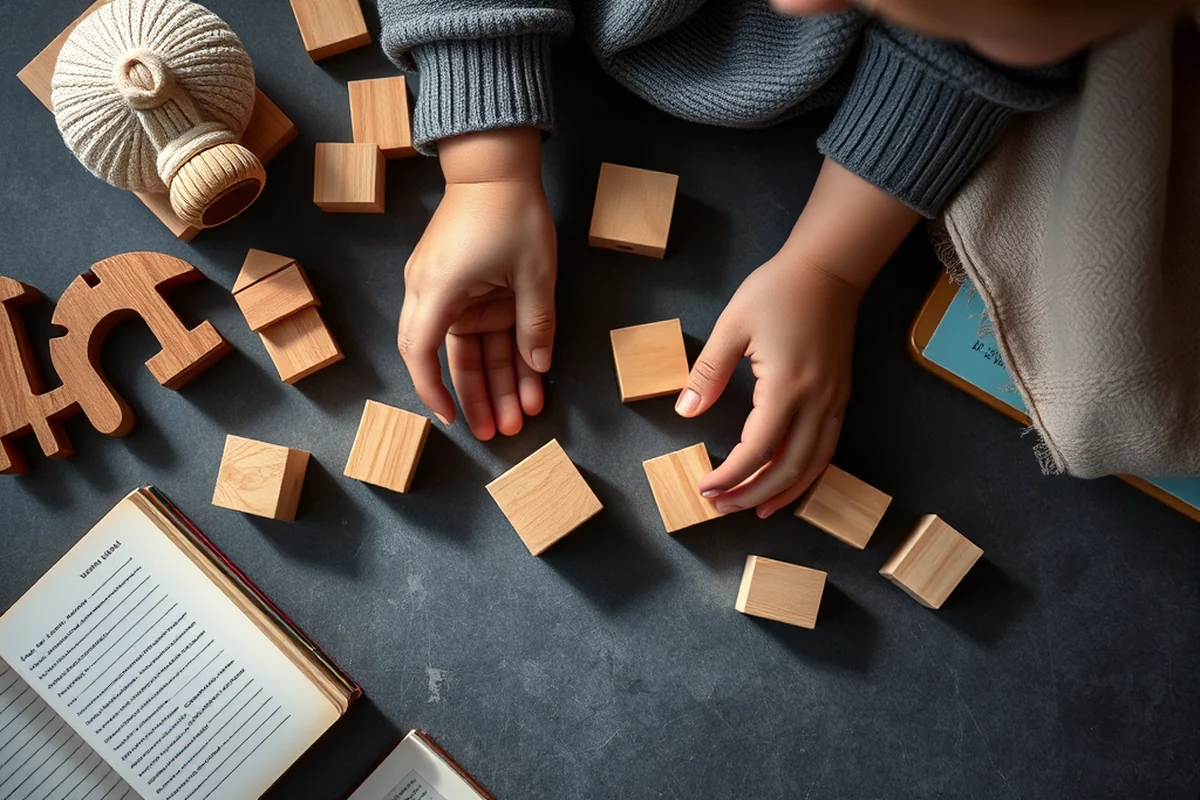
New parents or caregivers may feel overwhelmed with choosing the right sensory play activities for their child. It's important to start with basic, safe, and age-appropriate materials that encourage exploration without the risk of injury. For example, a simple sensory bin filled with soft fabric, crinkly paper, or foam shapes can be an excellent first step for infants and toddlers.
Beginners should also focus on creating a safe environment for sensory play. This includes removing small objects that could be choking hazards and ensuring that all materials are non-toxic and easy to clean. For example, using washable paint or silicone-based playdough can provide a fun and safe sensory experience without the worry of mess or toxicity.
It's also helpful to start with short, focused sensory play sessions and gradually introduce more complex activities as the child grows and develops. For instance, a new parent might begin with a 10-minute sensory play session using a simple sensory bin and then expand to more varied activities as the child becomes more interested and capable.[3]
Small-Space Ideas
Parents with limited space can still provide rich sensory experiences by focusing on compact, portable, and multi-functional play items. For example, a small sensory bin can be filled with materials like rice, beans, or pasta, and stored in a container that doubles as a toy box when not in use. This keeps the space tidy while still allowing for sensory exploration.
Another idea is to use vertical space for sensory play. Hanging sensory bottles, wall-mounted sensory boards, or even a small play wall with Velcro or magnetic pieces can provide interactive sensory experiences without taking up floor space. These options are especially useful for families with limited room but a desire for engaging play.
Also, using everyday items like containers, cloth, and even paper can create fun and affordable sensory play activities in small spaces. For instance, a parent might use a cardboard box to create a sensory tunnel or fill plastic containers with different textures for a child to explore. These ideas ensure that even the smallest spaces can support a child's sensory development.
Budget-Friendly
Many parents are concerned about the cost of sensory play materials, but affordable options are abundant. Simple household items like fabric scraps, rice, beans, and even food items like oats or pasta can be used to create engaging sensory bins. These materials are often inexpensive, easy to find, and can be reused multiple times.
DIY sensory play projects are also a great way to save money while creating personalized sensory experiences for children. For example, parents can make sensory bottles with water, food coloring, and glitter, or create a sensory tray using a shallow container and a variety of textures and colors. These projects are not only budget-friendly but also allow for customization based on a child's interests and developmental needs.
Also, many communities offer free or low-cost sensory play programs, toy libraries, or parenting workshops that provide access to materials and resources. These options can be especially helpful for families who are looking to support sensory development without spending a lot of money on new materials.
Common Mistakes
One common mistake is providing too many sensory stimuli at once, which can overwhelm a child and reduce the effectiveness of the play. It's important to introduce one or two sensory elements at a time and observe how the child responds. This allows for better focus and engagement, and helps parents understand what types of sensory input their child enjoys most.
Tools, Materials and Resources
For infants, simple tools like soft textured toys, bath bombs, and high-contrast black-and-white cards are ideal to stimulate sight, touch, and hearing. These materials encourage exploration and early sensory engagement in a safe way.
As children grow into toddlers and preschoolers, materials like kinetic sand, playdough, water tables, and sensory bins become key. These items offer hands-on experiences that promote fine motor skills, hand-eye coordination, and cognitive development.
For older children, tools such as musical instruments, art supplies, and building blocks can be used to enhance sensory play. Accessing online resources, books, and community workshops can provide additional guidance and inspiration tailored to different developmental stages.
Troubleshooting and Common Questions
Parents often worry about safety when choosing sensory materials. Always opt for non-toxic, age-appropriate items and supervise play to avoid choking hazards or ingestion risks.
If a child shows little interest in sensory play, it may be due to overstimulation or a preference for other types of activities. Try introducing new materials gradually and observe their reactions to find what resonates best.
Common questions include how much time to spend on sensory play and whether it's beneficial for all children. Aim for short, frequent sessions and remember that sensory play supports development in all children, regardless of ability or interest level.
Getting Started: Your First Steps
To get started, gather a few basic sensory materials such as soft fabric, safe play dough, or rice-filled sensory bags. These items are easy to handle and provide a variety of textures for exploration. Always check that materials are safe and suitable for your child’s age.
Begin with short, supervised play sessions to gauge your child’s interest and comfort level. Observe their reactions and preferences, which will help you tailor future sensory activities to their needs and developmental stage.
Create a dedicated space for sensory play where your child can explore freely. This space should be safe, clean, and stocked with a variety of materials that encourage tactile, auditory, and visual exploration. As your child grows, expand the types of sensory experiences you offer.
🌱 Beginner
The simplest version — minimal supplies, quick win.
💰 Budget
Same result using what you already have.
⚡ Quick
The 10-minute version for busy days.
✨ Advanced
The upgraded version once the basics stick.
| The mistake | Why it happens | The fix |
|---|---|---|
| Using unsafe materials for sensory play | Using small, choking-hazard items or toxic materials can put a child at risk of injury or poisoning. | Always choose safe, non-toxic, and age-appropriate materials. Avoid small objects for children under 3 years old and ensure all materials are easy to clean. |
| Overdirecting during sensory play | Overdirecting can limit a child's opportunity to explore and learn through their own discovery, which is crucial for development. | Allow the child to lead the play, observe their interests, and encourage independent exploration rather than guiding every move. |
| Not adapting activities to the child's developmental stage | Using activities that are too advanced or too simple for a child's current developmental stage can reduce engagement and limit learning potential. | Tailor sensory play to match the child's age and developmental level, using checklists and age-specific examples to guide your choices. |
sensory play by age & stage
Common Questions
What is a sensory play by age stage checklist?
What are some sensory play by age stage examples?
Where can I find a sensory play by age stage printable?
What is sensory play for beginners?
Cite this guide
Messysenses (2026). Sensory Play By Age & Stage. https://messysenses.com/sensory-play-by-age-stage/
Feel free to cite or share this guide.
References
- Daily Routine – Child Development Lab – UW–Madison (childdevelopmentlab.wisc.edu)
- Developmental Pathways to Emotional Regulation and Participation (commons.und.edu)
- CHILD CARE ACTIVITIES - Anoka County (anokacountymn.gov)
- Young Children's Understanding of the Role That Sensory ... (bingschool.stanford.edu)
- Cognitive development and sensory play - MSU Extension (canr.msu.edu)