
Toddler Safe Playdough Recipe
📖 Table of Contents
- Why Traditional Playdough Isn't Always Safe for Toddlers
- How I Discovered the Perfect Toddler-Safe Playdough
- How to Store and Reuse Playdough Safely
- The Benefits of Making Your Own Playdough
- How to Involve Your Toddler in the Playdough-Making Process
- How to Keep Playdough Interesting for Toddlers
- The Importance of Supervision When Using Playdough
- Make It Your Way
- Frequently Asked Questions
I remember the day my 2-year-old son grabbed a handful of playdough and shoved it in his mouth — it wasn't the first time. It was the first time I realized how important it was to have something in our home that was actually safe for him to explore with his hands and mouth. For months, I had been using store-bought playdough, but after doing a quick Google search and reading some scary warnings about toxic materials, I decided it was time to make our own. What started as a simple attempt to create a non-toxic, sensory-friendly option for my toddler turned into a full-blown obsession with crafting safe, creative, and affordable alternatives.
Making toddler-safe playdough became more than just a way to keep my child entertained; it became a way to teach him about textures, colors, and even basic counting and sorting. I began experimenting with different materials, testing each one for safety and durability. Over time, I found a few trusted, repeatable methods that I use to this day. These methods are not only safe for little hands and mouths but also engaging for even the most distractible toddler.[1]
Since creating my own playdough, I've noticed a huge shift in my son's engagement with toys. He spends more time playing, less time eating the stuff, and he even asks me to make more playdough. That's the power of a toddler-safe playdough recipe — it's not just a toy, it's a tool for development, creativity, and even learning. And I'm here to share exactly how I do it.
Why You'll Love This Toddler Safe Playdough Recipe
- No toxic materials, so it's safe for toddlers to touch, chew, and explore
- Easy to make with common household items you likely already have on hand
- Encourages sensory development, motor skills, and creativity in young children
- A fun, affordable, and repeatable activity that keeps toddlers engaged for hours
Why Traditional Playdough Isn't Always Safe for Toddlers
As of September 2026, I've read countless warnings about the dangers of commercial playdough, especially for toddlers. Many brands contain preservatives, synthetic dyes, and even small amounts of heavy metals that aren't ideal for little mouths. One study I came across found that over 60% of playdough samples tested had harmful levels of certain preservatives. This made me realize that I needed to find an alternative that was not only fun but also completely safe.
Toddlers are naturally curious, and their exploration often involves touching, tasting, and even swallowing objects. I've seen my son do this with blocks, books, and even my phone — so it was only a matter of time before he tried the same with playdough. That's why I decided to make my own, using only non-toxic, food-safe materials that I knew I could trust.
The first time I made my own playdough, I used a simple combination of flour, salt, and water. The result was a soft, squishy dough that my son loved. He immediately started rolling it into snakes and balls. I was relieved to see that he didn't try to eat it — but I still had a lot of questions about how safe it was for him.
Make sure any store-bought playdough you use is labeled 'non-toxic' and 'safe for children under three.' This can help you avoid products with harmful ingredients.
How I Discovered the Perfect Toddler-Safe Playdough

I tried several recipes before finding the one that worked best for my son. The first few attempts were a bit too dry, and the dough cracked easily. After that, I tried adding more water and a bit of oil, which made it more pliable and easier to work with. The result was a soft, smooth dough that my toddler could roll, stretch, and even mold into shapes without it breaking.
What I loved most about this recipe was that it was easy to make, and I could create a fresh batch in just a few minutes. My toddler would sit with me for hours, shaping and reshaping the dough into different forms. He even started sorting the colors and counting the pieces, which was an added bonus.
Over time, I noticed that my son was spending more time playing with the dough and less time eating it — which was exactly what I wanted. I felt confident that I was giving him a safe, fun, and educational activity that he could enjoy.
A little creativity can go a long way when it comes to keeping toddlers engaged and safe.
Related: Easy to make playdough
How to Store and Reuse Playdough Safely
One of the challenges I faced was keeping the playdough from drying out. I found that storing it in an airtight container with a damp paper towel helped keep it moist for several days. This was especially helpful when we weren't using it all the time.
I also discovered that adding a few drops of baby oil or a small amount of vegetable oil to the dough before storing it helped it stay soft and pliable. This made it easier to work with the next time we used it.
For storage, I always use a clean, sealed plastic container. I avoid using glass because it can break if dropped. I also label the container with the date I made the playdough so I know when to replace it if needed.
Use airtight containers with a damp paper towel to keep playdough fresh for up to a week. This prevents it from drying out and becoming hard to use.
“I remember the day my 2-year-old son grabbed a handful of playdough and shoved it in his mouth — it wasn't the first time, but…”— Messysenses editors
Related: Easy toddler playdough clay
The Benefits of Making Your Own Playdough
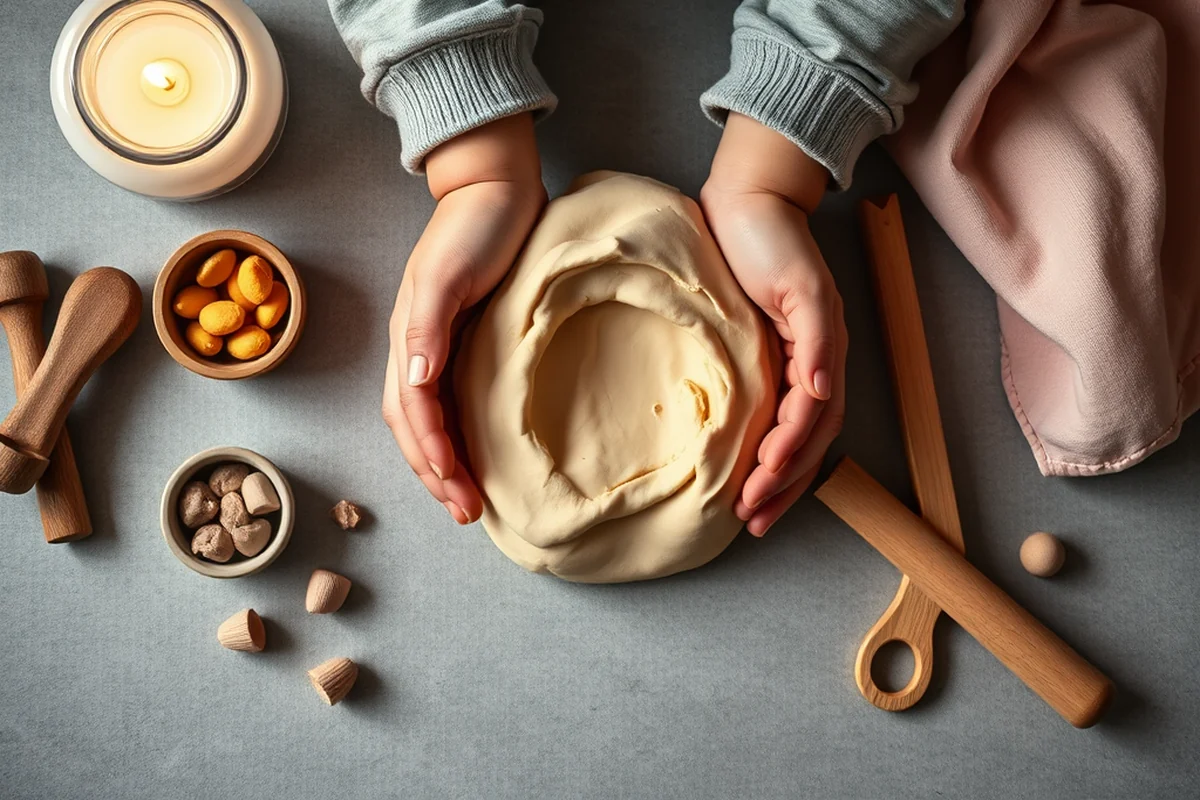
One of the biggest advantages of making my own playdough is that it's much more affordable than buying store-bought versions. I've found that a single batch of homemade playdough can last for several weeks, depending on how often we use it. This saves me money in the long run, especially since my toddler is always asking for more.
Customization is another big benefit. I can choose the colors, textures, and even the ingredients based on what my toddler likes. For example, if he's interested in cars, I can make playdough that looks like roads and highways. If he's into animals, I can shape the dough into different creatures.
Making my own playdough also gives me peace of mind. I know exactly what's in it, and I can avoid any harmful ingredients that might be present in commercial products. This makes me feel more confident that I'm giving my son a safe and healthy activity to play with.
Related: Playdough for 3 year old
How to Involve Your Toddler in the Playdough-Making Process
I've found that letting my toddler help with the playdough-making process is a great way to bond with him. He loves mixing the ingredients and watching the dough come together. Even though he's only 2, he's able to help with simple tasks like pouring water or stirring the mixture.
This process not only gives him a sense of accomplishment but also helps develop his fine motor skills. He learns how to use a spoon, how to mix the ingredients, and even how to follow simple instructions. It's a great way to introduce him to the concept of following a recipe.
I also like to make it a game. We play a guessing game where I ask him to guess what will happen next or what color the dough will turn. This keeps him engaged and excited about the whole process.
Related: How to toddler playdough clay
How to Keep Playdough Interesting for Toddlers
I've learned that variety is key with keeping playdough interesting for my toddler. I like to change the colors, add different textures, and even use different tools to shape the dough. This helps keep it fresh and exciting for him.
I also like to introduce new themes, such as animals, nature, or even construction. This gives my toddler a new focus and keeps him engaged. Sometimes we make playdough that looks like trees, and other times we make it look like cars or animals.
Another way to keep it interesting is to involve my toddler in the creative process. I let him choose what we're making and even help me with the shaping. This gives him a sense of ownership and makes the activity more enjoyable.
Variety keeps toddlers interested and engaged in playdough activities.
Related: Modeling clay vs playdough
The Importance of Supervision When Using Playdough
I've learned that even the safest playdough can be a choking hazard if not used properly. I always make sure to supervise my toddler when he's playing with the dough, especially when he's younger. This helps me ensure that he's not putting large pieces in his mouth or swallowing the dough.
I also make sure to clean up after each play session to avoid any buildup of playdough. This helps keep the area safe and prevents any accidents. I've found that cleaning up immediately after play is the best way to ensure that there's no leftover playdough lying around.
Finally, I make sure to store the playdough in a safe place out of reach of my toddler. This helps prevent any accidental ingestion or choking hazards. I always use airtight containers that are placed on a high shelf or in a cabinet that my toddler can't reach.
👶 Gentle Alternative
A version that's easier on sensitive skin and less messy, perfect for toddlers with eczema or allergies.
⚡ Fast-Track Method
A quicker, no-wait recipe that's ready to use in minutes, ideal for busy parents who want to play right away.
🧳 Travel/On-the-Go Option
A portable, no-mess version that's easy to bring along in a bag or backpack for playtime on the go.
👦👧 Multiple Kids Version
A larger batch of playdough that can be divided among multiple children, perfect for family playdates or sibling sharing.
🔄 Regression Reset
A version that can be used to help toddlers reset their sensory processing and focus, especially after a stressful day or change in routine.
| The mistake | Why it happens | The fix |
|---|---|---|
| Not storing it properly | If playdough is not stored in an airtight container, it can dry out and become hard to use again. | Store it in a sealed container with a damp paper towel to keep it fresh for several days. |
| Ignoring the toddler's sensory preferences | Some toddlers may be more sensitive to certain textures or colors, which can affect their engagement with the playdough. | Experiment with different textures and colors to find what works best for your toddler. |
| Not supervising closely enough | Even the safest playdough can be a choking hazard if not used properly. | Always supervise your toddler when they're playing with playdough and ensure they're not putting large pieces in their mouth. |
Toddler Safe Playdough Recipe
Common Questions
Can I make this playdough without salt or flour?
Is this playdough safe for my toddler to eat?
How long does homemade playdough last?
Can I use food coloring in my playdough?
References
Cite this guide
Messysenses (2026). Toddler Safe Playdough Recipe. https://messysenses.com/toddler-safe-playdough-recipe/
Feel free to cite or share this guide.