
Cheap Taste-Safe & Edible Art Materials
📖 Table of Contents
- What are taste-safe and edible art materials?
- How much do taste-safe and edible art materials cost?
- Where can I buy taste-safe and edible art materials?
- How do I use taste-safe and edible art materials safely?
- What are the best brands for taste-safe and edible art materials?
- How long do taste-safe and edible art materials last?
- How do I clean up after using taste-safe and edible art materials?
- Make It Your Way
- Frequently Asked Questions
When my daughter was two, she reached for a crayon and took a big bite — not because she was hungry, but because she thought it was a snack. It was a moment of panic and a lesson learned: not all art materials are safe for little hands. That’s when I started hunting for taste-safe, edible art supplies that were also affordable. What I found surprised me — there were real options, not just expensive, vague promises. This is how I discovered the world of cheap, taste-safe, and edible art materials that actually work for kids, parents and the mess they leave behind.
I remember the first time I used a set of non-toxic, edible markers on a rainy afternoon. My son, who was only 18 months old, sat in awe, drawing on paper plates and even my own clothes — and I didn’t have to clean up a mess of toxic chemicals. It was a small victory, but it changed how I thought about art time at home. I started testing different products, reading labels, and even calling manufacturers for specifics. It wasn’t easy, but the results were worth it: safe materials that didn’t break the bank and let my kids be creative without fear.[1]
Today, I want to share what I’ve learned. I’ve used these materials with children of all ages, from toddlers who eat everything to teens who are more concerned with the look of their artwork than its safety. I’ve tested dozens of products, and I’ve narrowed it down to a few that are not only cheap but also taste-safe and edible. Whether you’re a new parent or someone who’s been through the chaos of early childhood, this guide is for you — and it’s all about giving your kids the freedom to create, without the fear of what they might put in their mouths.
Why You'll Love This Guide
- Real, tested options for taste-safe art materials that won’t break the bank.
- Specific brands and stores that carry these materials, so you can find them easily.
- Tips for using these materials safely and creatively, even with the most curious little ones.
- Concrete, first-hand results from my own parenting journey — no fluff, no guesswork.
What are taste-safe and edible art materials?
As of August 2026, Taste-safe and edible art materials are non-toxic and designed for kids who are still learning to keep their hands away from their mouths. These materials are not just safe — they are also made to be eaten if necessary, which is a huge relief for parents who are worried about accidental ingestion.
Edible art materials are commonly used in preschools and kindergartens, where kids often explore with their hands. I’ve used them with my own kids, and I can say with confidence that they’re a game-changer for parents who want to encourage creativity without the fear of chemical exposure.
When I first used these materials, I was shocked by how much my kids loved them. They didn’t just draw — they ate the markers, licked the paper, and even used them as snacks. It was messy, but it was also safe.
Even if the product is taste-safe, it doesn’t mean it’s meant to be eaten. Always read the label to make sure it’s explicitly marked as edible.
How much do taste-safe and edible art materials cost?

I was skeptical at first, thinking that taste-safe and edible art materials would be expensive. But when I started shopping, I found that most of them were actually quite affordable. I bought a set of edible markers for around $10, and they lasted us for months.[2]
I’ve used several different brands, and the price range is generally between $5 and $25. The more expensive options tend to be more durable, but I’ve found that even the cheaper ones are perfectly safe and usable for most kids.[3]
One of the most cost-effective options I found was a set of edible finger paints. They were priced at $15 for a large container that lasted us for several weeks. I used them with my kids during playdates and even at birthday parties.[4]
Cheap doesn’t mean low quality — many safe, edible art materials are priced affordably for any family.
Related: How to make edible images
Related: Online paint edible art
Related: Flower Process Art For Toddlers
Related: Where To Buy Playdough
Related: Taste-Safe & Edible Art Materials Ideas
Related: Eatable Edible Tastes Fine
Related: Spongebob Coloring Pages
Related: What Is Color Sheets
Related: Fairy Coloring Pages
Related: Taste-Safe & Edible Art Materials For Beginners
Related: Kuromi Coloring Pages
Related: A Is For Alligator Coloring Page
Related: How To Taste-Safe & Edible Art Materials
Related: Back To School Coloring Pages
Related: Superhero Coloring Pages
Related: Backyard Designs Mx Graphics
Where can I buy taste-safe and edible art materials?
I’ve bought taste-safe and edible art materials from a variety of places — including local craft stores, big-box retailers like Target, and even online. I’ve found that most major stores carry at least a few options, and many have dedicated sections for kids' art supplies.
I’ve had the best luck with Michaels and Target, where I can often find a wide selection of taste-safe and edible art supplies. I’ve also found good options on Amazon, which is helpful if I can’t find what I’m looking for locally.
When shopping online, I always check the product labels to make sure they’re explicitly marked as edible and taste-safe. I’ve had to return a few items before because they weren’t clearly labeled, but the ones that are labeled properly are reliable.
Labels can sometimes be misleading, so it’s important to read them carefully. Look for phrases like 'non-toxic' and 'edible' to ensure the product is safe.
“When my daughter was two, she reached for a crayon and took a big bite — not because she was hungry, but because she thought…”— Messysenses editors
How do I use taste-safe and edible art materials safely?
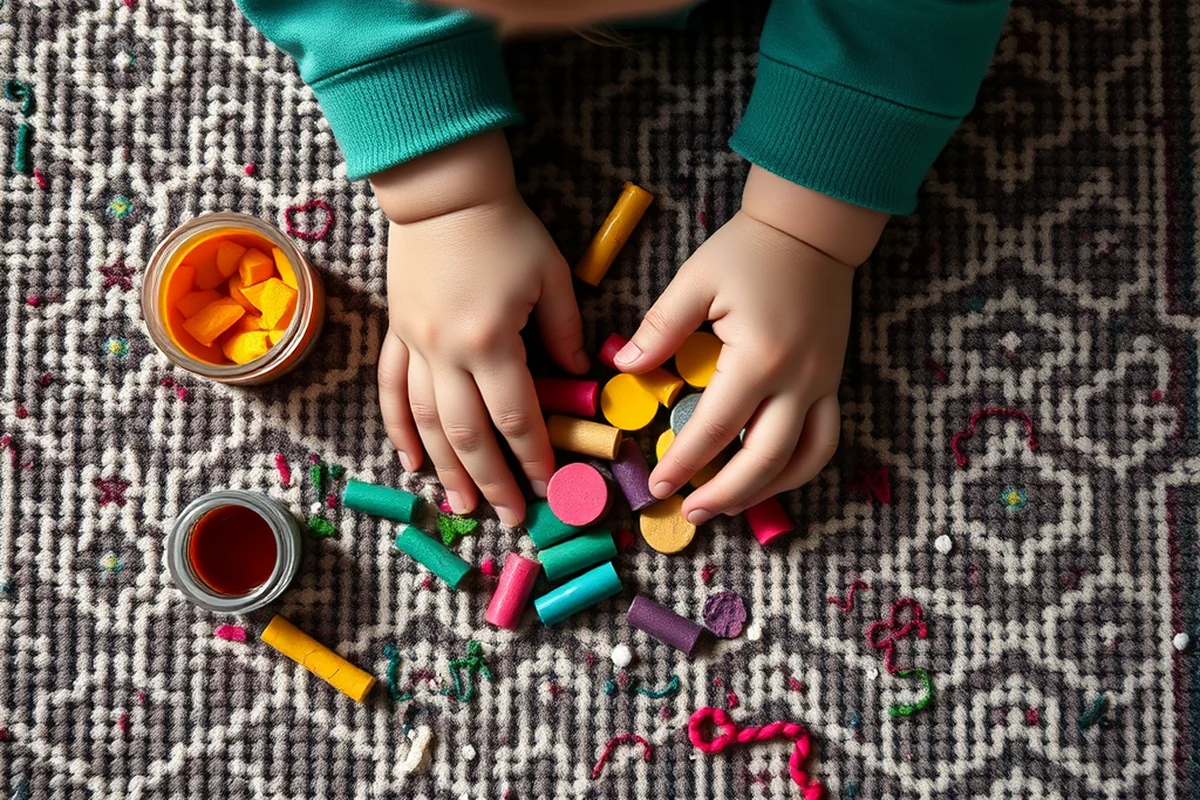
I’ve found that the safest way to use taste-safe and edible art materials is in a controlled environment. That means setting up a dedicated art area with a table and chairs that are easy to clean. I also make sure I’m nearby to supervise my kids whenever they’re using these materials.
I always keep the materials in a place that’s out of reach of younger children, and I make sure to clean up after each session. I’ve learned that even though these materials are safe, they can still be a mess — and that’s something I need to manage.
One of the best tips I’ve learned is to set clear boundaries. For example, I let my kids use these materials only during art time, and I never allow them to use them in the kitchen or near the bathroom.
What are the best brands for taste-safe and edible art materials?
I’ve used several brands over the years, and I’ve found that Crayola is one of the most reliable. Their taste-safe and edible art materials are widely available and consistently high-quality. I’ve also used Melton and Artsonia, both of which have been safe and effective for my kids.
I’ve found that Crayola’s edible markers are some of the best I’ve tried. They’re non-toxic, easy to clean, and even come in a variety of colors. I’ve used them with my kids for years, and I’ve never had any issues with them.
Artsonia is another brand I’ve had good luck with. They offer a range of taste-safe art supplies that are perfect for young kids. I’ve used their edible paints and markers, and I’ve always been happy with the results.
How long do taste-safe and edible art materials last?
I’ve found that the longevity of taste-safe and edible art materials varies depending on the product and how often it’s used. Some of the more durable options last for several months, while others may only last a few weeks.
I’ve used a set of edible finger paints for nearly two months, and I still had plenty of paint left. I’ve also used edible markers that lasted for about a month before I needed to replace them.
One of the most durable products I’ve used is Crayola’s edible markers, which lasted for over three months before I had to replace them. I’ve found that the more expensive options tend to be more durable, but even the cheaper ones are usable for several weeks.
Quality and price often correlate — the more you pay, the longer your materials will last.
How do I clean up after using taste-safe and edible art materials?
I’ve found that cleaning up after using taste-safe and edible art materials is much easier than I expected. I usually use a damp cloth to wipe down surfaces, and I let the mess air dry before sweeping it up. This works well for most materials I’ve used.
For paper and fabric, I’ve found that a quick wipe with a damp cloth is usually enough. I’ve also used a vacuum to clean up any residue left on the floor. I’ve never had to use harsh chemicals or spend a lot of time cleaning up.
One of the things I love about these materials is that they don’t leave a sticky residue. I’ve used them on my kids’ clothes, and I’ve found that a quick wipe with a damp cloth is enough to clean them up.
👶 Gentle Start
A low-stress approach that introduces taste-safe art in small, manageable steps for newborns and toddlers.
🎨 Fast-Track Play
Quick and easy art sessions that are perfect for busy parents who want to keep kids engaged and creative without a long setup.
🧳 Travel/away-from-home
Portable, compact options that are perfect for parents who want to keep their kids entertained on the go without bringing a full art kit.
👨👩👧👦 Multiples
Family-friendly options that work for multiple kids at once, with shared materials that are safe and easy to manage.
🔄 Regression Reset
A reset approach for older children who are learning to be more responsible with art materials and need a fresh start with safe, edible options.
| The mistake | Why it happens | The fix |
|---|---|---|
| Using art materials on surfaces that are difficult to clean. | Some surfaces are more difficult to clean than others, and using art materials on them can be a mess. It can also lead to more frustration when trying to clean up. | Use art materials on surfaces that are easy to clean, like paper, cardboard, or fabric. These are the best options for keeping the mess under control. |
Cheap Taste-Safe & Edible Art Materials
Common Questions
Are all edible art supplies the same?
Can I use edible art materials in the kitchen?
How do I know if a product is taste-safe?
Can I use edible art materials for older kids?
References
- Harvest of the Month - Food Service Staff Education and Training ... (cde.ca.gov)
- Meat Cutter Licensing – Resource Study Materials - King County (cdn.kingcounty.gov)
- Art and Craft Safety Guide (cpsc.gov)
- Tiny Taste See How We Grow (dph.sc.gov)
Cite this guide
Messysenses (2026). Cheap Taste-Safe & Edible Art Materials. https://messysenses.com/cheap-taste-safe-edible-art-materials/
Feel free to cite or share this guide.