
Sensory Play Routines Mistakes To Avoid
📖 Table of Contents
I still remember the day my toddler daughter smeared a jar of baby-safe glue all over the kitchen table, giggling as she traced letters that looked like scribbles to me but were a whole language to her. It was messy, but it was also the first time I truly saw the power of sensory play. I had assumed that messy, unstructured play was just a way to keep kids occupied, but it turned out to be a crucial element of learning and development. And yet, as a first-time parent, I made several mistakes along the way — mistakes that delayed the benefits I could have reaped from those moments. If I could go back, I’d tell my past self to avoid the most common sensory play routine mistakes, because they're not just about keeping things tidy — they're about maximizing the developmental impact of these crucial activities.[2]
The key to effective sensory play isn’t about having the fanciest materials or the most elaborate setups. It’s about understanding the nuances of how children interact with their environment, how their brains absorb information through touch, sound, and movement, and how we can support that without overstepping. I once spent hours crafting a sensory bin with rice, beans. Small plastic toys, only to watch my daughter push it aside for a pile of sand she had dug up in the backyard. That moment taught me that the most impactful sensory play is the kind that is flexible, spontaneous, and tailored to the child’s current interests and developmental stage. The mistakes I made early on were not about the materials I used, but about the way I approached the activities and the expectations I set.[3]
What I’ve learned since then is that the best sensory play routines are built on observation, adaptability, and a willingness to let the child lead the way. I remember one day when I insisted on following a rigid schedule of five minutes of playing with kinetic sand, followed by ten minutes of finger painting, only for my daughter to become overwhelmed and lose interest. It was a hard lesson. It taught me that sensory play isn’t about ticking off checklists — it’s about creating a space where kids can explore, learn, and grow at their own pace. Avoiding the common mistakes in sensory play routines is a way to ensure that the time we spend with our children is meaningful, engaging, and developmentally rich.[4]
Why You'll Love This Guide to Avoiding Sensory Play Routine Mistakes
- Gain a clear understanding of common pitfalls and how to avoid them for a more effective play experience.
- Learn how to create sensory play routines that are adaptable, engaging, and tailored to your child’s developmental stage.
- Discover strategies that help both you and your child feel more confident and relaxed during playtime.
- Receive actionable tips and real-life examples that you can implement immediately, without the need for expensive materials or elaborate setups.
Ignoring the Child's Lead
As of September 2026, one of the most common mistakes I made early on was assuming that sensory play should follow a strict schedule or a set of activities I thought would be beneficial. I once tried a sensory bin with rice and small toys, only to watch my daughter pick it up and drop it repeatedly, uninterested in the items inside. It wasn’t until I let her take the lead — letting her explore the texture of the rice with her hands, then asking her what she wanted to do next — that she started engaging with the activity more fully. Her curiosity and focus increased dramatically, and I learned that forcing a specific routine can be counterproductive. When we listen to our child’s cues and let them lead, the play becomes more meaningful and impactful.[5]
The most effective sensory play routines are those that respond to the child’s current interests and energy levels. I remember a time when my daughter was fascinated by water, so I created a simple water table with cups, funnels, and sponges. Instead of trying to incorporate other materials, I followed her lead, and that resulted in hours of play and learning. Sensory play is not about what we think should be included, but what the child is naturally drawn to. If we force the activity, we risk losing the opportunity for real engagement and exploration.
Letting your child lead the sensory play routine not only makes the experience more enjoyable for them but also helps you better understand their developmental needs. I once noticed that my daughter spent most of her time stacking small plastic containers in the sensory bin rather than exploring the materials inside. Instead of dismissing this, I asked her what she was doing. She told me she was building a “castle.” That moment taught me that sensory play is about the process, not just the materials. By following her lead, I was able to support her creativity and problem-solving skills in a way that felt natural and engaging.
Offer a few simple options and let your child pick the activity that interests them most. This helps create a sense of autonomy and engagement.
Part of our Sensory play routines schedules guide.
Overloading the Sensory Experience

I once tried to create a sensory bin with a mix of rice, water, beads, and small toys, thinking that the variety would be stimulating. However, my daughter became overwhelmed and refused to engage with the bin. It was a lesson in moderation — too much can be too much. When we introduce too many different textures, sounds, or materials at once, we risk confusing the child and making the experience less enjoyable and less effective.
A better approach is to simplify the sensory play experience. I now focus on one or two main materials and let my daughter explore them in depth. For example, I might have a bin with just kinetic sand and small wooden blocks. This allows her to focus on the texture of the sand and the way the blocks move within it, rather than being distracted by multiple stimuli. Simplicity in sensory play not only helps the child process the experience more effectively, but it also makes the activity more enjoyable and engaging for them.
Another way to avoid overloading the sensory experience is to introduce new materials gradually. Instead of adding multiple items at once, I now introduce one new element at a time, allowing my daughter to become familiar with it before moving on. This approach helps her build confidence and reduces the risk of sensory overload. By keeping the sensory play experience simple and focused, we can create a more meaningful and impactful learning environment for our children.
Less is more when it comes to sensory play — simplicity can lead to deeper engagement and learning.
Related: Sensory play routines guide
Related: Sensory play schedules ideas
Failing to Clean Up with the Child
One of the biggest mistakes I made was assuming that I would clean up after sensory play, which meant that my daughter never had the chance to learn how to manage the mess. I now make it a point to involve her in the cleanup process, whether that means wiping the table, throwing away used paper towels, or helping me gather the materials for the next activity. This not only teaches her responsibility but also helps her understand the consequences of her actions.
When I first started involving my daughter in cleanup, I was surprised by how engaged she was. I remember one day when she took it upon herself to sort the toys into the bin, even though I hadn’t asked her to. It was a small but significant moment that showed me how much she could learn through participation. By allowing her to take an active role in the cleanup process, I was helping her develop important life skills like organization, responsibility, and self-regulation.
Involving your child in the cleanup of sensory play not only helps them understand the importance of tidying up but also creates a sense of accomplishment and ownership. It’s a win-win situation: the space becomes more organized, and the child feels more involved in the process. By making cleanup a shared responsibility, we can turn what was once a chore into a valuable learning opportunity.
Involve your child in the cleanup process by asking them to help you gather items or wipe surfaces. This teaches responsibility and makes the experience more engaging for them.
“I still remember the day my toddler daughter smeared a jar of baby-safe glue all over the kitchen table, giggling as she traced letters that…”— Messysenses editors
Related: Sensory play schedules for beginners
Related: Simple sensory play schedules
Neglecting the Importance of Safety
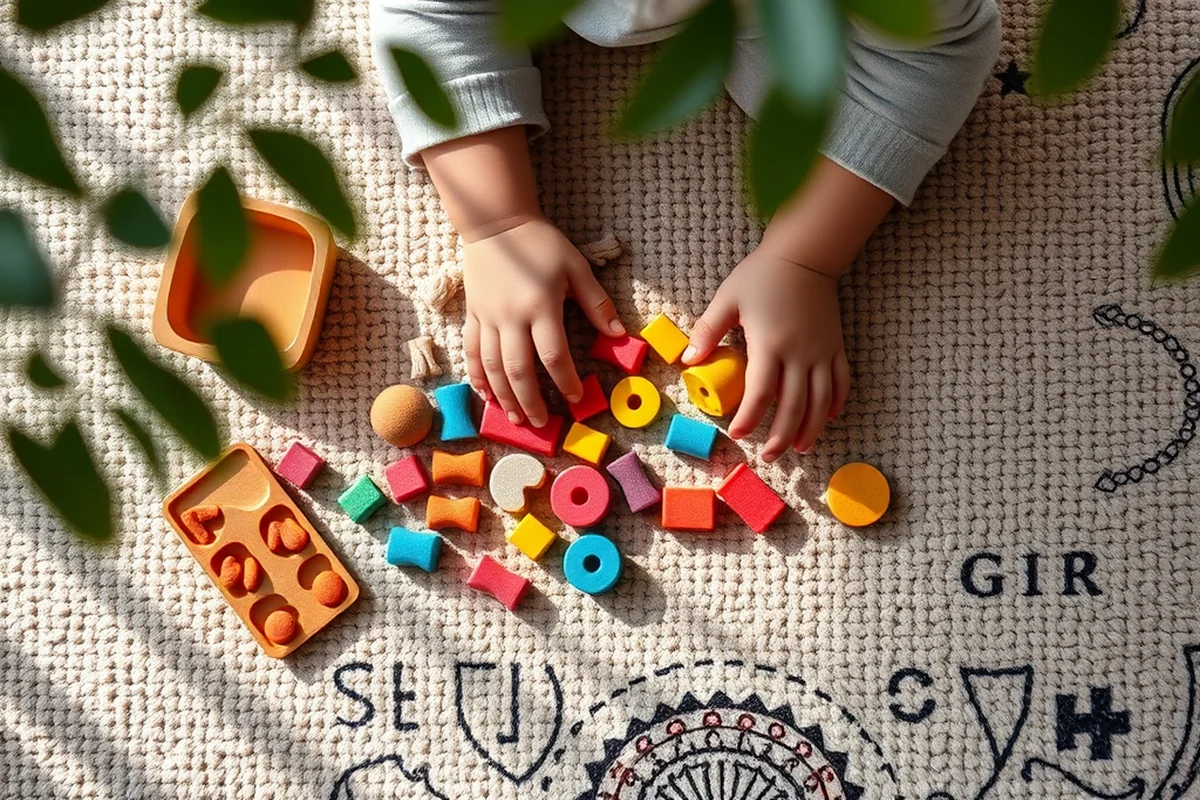
One of the most important lessons I learned was the importance of safety during sensory play. Early on, I didn’t think about the potential hazards of small objects, which led to my daughter putting a tiny plastic piece into her mouth and choking on it. It was a shocking and scary moment, but it taught me that safety is not an afterthought — it’s a priority. I now make it a point to check all sensory materials for small parts and avoid anything that could be a choking hazard.
Another safety consideration is the use of non-toxic materials. I once used a commercial sensory bin that smelled strongly, and I noticed that my daughter was coughing and sneezing after playing with it. It was a wake-up call that not all sensory materials are created equal. I now only use products that are labeled as non-toxic and safe for children, and I read the labels carefully before purchasing. This simple step has made a huge difference in the quality of our sensory play experiences.
Ensuring a safe environment for sensory play goes beyond just the materials used. I also make sure to supervise my daughter closely during these activities, especially when she’s using items like water, sand, or kinetic sand. I’ve learned that even small amounts of water can pose a risk if a child is not supervised. I now have a strict rule that I must be within arm’s reach at all times during sensory play. Safety is not just about avoiding accidents — it’s about creating a space where our children can explore freely without risk.
Related: Sensory play routines printable
Not Being Patient with the Process
I used to be impatient with the sensory play process, expecting my daughter to engage with the activities in a certain way or within a certain timeframe. When she didn’t follow the expected pattern, I would get frustrated and move on to the next activity. It was a mistake that I later realized had a negative impact on her confidence and interest in sensory play. I now make a point to be more patient and give her the time she needs to explore at her own pace.
One of the most important lessons I learned was that sensory play is not about achieving a specific outcome. Instead, it’s about the process of exploration, discovery, and learning. I remember a day when my daughter was playing with kinetic sand for over an hour, just building and reshaping it without showing any interest in the other materials I had prepared. At first, I was tempted to move on to something else, but I decided to stay with her and let her lead. That decision turned out to be one of the best ones I made — she became fully engaged, and I was able to see the depth of her focus and creativity.
Patience is a crucial element of sensory play, and it’s something I now practice daily. I’ve learned that my daughter’s interest in a particular activity can fluctuate, and that’s completely normal. Instead of trying to force her into a routine, I now make an effort to be present, observe, and support her without pressure. This approach has not only made sensory play more enjoyable for both of us, but it has also helped her feel more confident and curious about exploring new things.
🧸 Gentle Sensory Play
This approach is ideal for children who are easily overwhelmed or sensitive to sensory input. It focuses on soft textures, calm environments, and minimal stimulation.
⚡ Fast-Track Sensory Play
This variation is perfect for parents who are short on time but still want to provide their child with a valuable sensory experience. It uses quick, easy activities that can be done in under 10 minutes.[1]
🧳 Travel/away-from-home Sensory Play
This variation is designed for parents who are on the go and need a way to provide sensory play experiences while traveling. It uses simple, portable materials that can be easily packed and used anywhere.
👨👩👧👦 Multiples Sensory Play
This approach is ideal for families with multiple children and focuses on creating sensory experiences that can be enjoyed by all, while still allowing individual exploration and engagement.
🔄 Regression Reset Sensory Play
This variation is designed for children who may be going through a developmental regression or phase of decreased interest in play. It uses simple, engaging activities to help them reconnect with the joy of exploration.
| The mistake | Why it happens | The fix |
|---|---|---|
| Forcing a rigid schedule or activity | Children often know what they need to explore, and forcing a specific routine can reduce their engagement and enjoyment. | Let your child lead the activity and choose what they want to do. Keep the experience flexible and responsive to their interests. |
| Overloading the sensory experience with too many stimuli | Too many different materials or textures at once can overwhelm a child and reduce the effectiveness of the play. | Simplify the sensory experience by focusing on one or two main materials and allowing the child to explore them in depth. |
| Leaving the cleanup to the parent | Not involving the child in the cleanup process can create a passive experience and reduce their sense of responsibility. | Involve your child in the cleanup by asking them to help you gather materials or wipe surfaces. This teaches responsibility and makes the experience more engaging for them. |
| Neglecting the importance of safety | Using unsafe materials or not supervising the child can lead to accidents and reduce the child’s confidence in sensory play. | Always use non-toxic, child-safe materials and supervise your child closely during sensory play. Avoid small parts that could be a choking hazard. |
Sensory Play Routines Mistakes To Avoid
Common Questions
How can I ensure that the sensory play materials I use are safe for my child?
What should I do if my child becomes overwhelmed during sensory play?
How can I make sensory play more engaging for my child?
Can I create sensory play experiences without buying any special materials?
References
- ŽS Guide To Support Sensory Strategies In The Daycare Setting (commons.und.edu)
- Cognition and General Knowledge (dcf.wisconsin.gov)
- Wisconsin Model Early Learning Standards Fifth Edition (dpi.wi.gov)
- South Dakota Early Learning Guidelines (dss.sd.gov)
- The Powerful Role of Play in Early Education (cde.ca.gov)
Cite this guide
Messysenses (2026). Sensory Play Routines Mistakes To Avoid. https://messysenses.com/sensory-play-routines-mistakes-to-avoid/
Feel free to cite or share this guide.