
Sensory Play Indoor & Rainy Day Ideas

📖 Table of Contents
Sensory play indoor & rainy day ideas are essential tools for parents looking to keep children engaged, stimulated, and happy on days when the weather doesn’t cooperate. Whether it's a sudden downpour or a prolonged rainy season, having creative and engaging activities at the ready can make all the difference in a child’s day. These ideas not only provide entertainment, but also support early learning, motor skills, and emotional development in a safe and controlled environment.[5]
Indoor sensory play is more than just a rainy-day fix—it's a way to explore the world through touch, sight, sound, and even smell. From simple DIY materials to store-bought kits, there are countless ways to create immersive experiences that promote learning and fun. This guide will walk you through the essentials, from checklists and beginner-friendly ideas to budget-friendly solutions and common pitfalls to avoid.
Parents who incorporate sensory play into their daily routines find that children develop better focus, emotional regulation, and problem-solving abilities. With the right approach, even small spaces can become hubs of creativity and exploration. By the end of this guide, you’ll have a comprehensive roadmap to making the most of indoor play, especially on rainy days.
Key Takeaways
- Checklists help parents organize and prepare sensory materials efficiently.
- Beginners can start with simple, affordable materials that are easy to clean and reuse.
- Creative examples and ideas keep children engaged and learning through play.
- Printables and templates can be a valuable resource for planning and executing sensory activities.
Checklists
As of August 2026, a well-prepared checklist is a game-changer for parents who want to ensure that their sensory play sessions are both efficient and effective. Whether you're planning a single activity or an entire day of exploration, having a list of materials, such as rice, water, playdough, or sensory bins, can save time and reduce stress. It also helps avoid last-minute scrambles for items that might not be available.[1]
Including categories like textures, colors, and tools (like scoops, containers, and measuring cups) ensures a well-rounded sensory experience. Some parents even create weekly checklists to keep their sensory play supplies in order, which is especially helpful for those with multiple children or limited storage space.
A checklist can also help parents track which materials are used most frequently and which ones are rarely touched, allowing for better inventory management and more intentional purchases. This approach is particularly useful for families who want to maximize the value of their sensory play resources.
For Beginners

If you're new to sensory play, starting with simple, accessible materials is the best way to begin. Items like rice, beans, water, or even household items like fabric scraps and playdough can create a rich sensory experience without the need for expensive equipment. These materials are not only safe for young children but also easy to clean and reuse, making them ideal for beginners.
Beginners should also focus on creating a dedicated sensory play area, even if it's just a corner of a room. This helps children understand that sensory play is a special and valued activity. It’s also a good idea to start with a few basic tools, such as small containers, measuring cups, or funnels, to encourage exploration and fine motor skills.
Many parents find that starting with a few basic sensory bins and gradually expanding their collection as they become more comfortable is a great strategy. This allows them to observe their child's interests and preferences, tailoring the sensory play experience to their unique needs and developmental stage.
Related: Sensory Play Printables & Checklists
Related: Hello world!
Related: Sensory Play Routines & Schedules
Related: How To Sensory Play Troubleshooting
Related: Cheap Toddler Painting Activities
Related: Playdough Creative Play Ideas
Related: Crayola Coloring Pages
Related: Spider Man Coloring Pages
Related: Mermaid Coloring Pages
Related: Cute Coloring Pages
Related: An Easy Drawing Ideas
Related: What Should I Draw
Examples & Ideas
There are countless sensory play ideas that can be adapted for any indoor setting. One popular option is creating a 'texture wall' using materials like felt, sandpaper, fabric, and foam, allowing children to explore different textures through touch. Another idea is making a 'sensory tray' with items such as water beads, pasta, or dried beans, which can be used with measuring tools and scoops to enhance motor skills.
For a more interactive experience, consider using a 'rainy day sensory bin' filled with items like plastic animals, toy cars, and small toys buried in rice or beans. This not only keeps children engaged for extended periods but also encourages problem-solving and imaginative play. Some parents even use a 'sensory table' as a central location for these activities, which can be easily cleaned and rearranged.
Another idea is to incorporate 'sensory bags'—ziplock bags filled with items like water, food coloring, and small toys, which can be used for pouring, squeezing, and exploring. These are especially useful for younger children who are still developing their fine motor skills. The versatility of these ideas makes them perfect for rainy days, when outdoor play is not an option.
“Sensory play indoor & rainy day ideas are essential tools for parents looking to keep children engaged, stimulated, and happy on days when the weather…”— Messysenses editors
Budget-Friendly
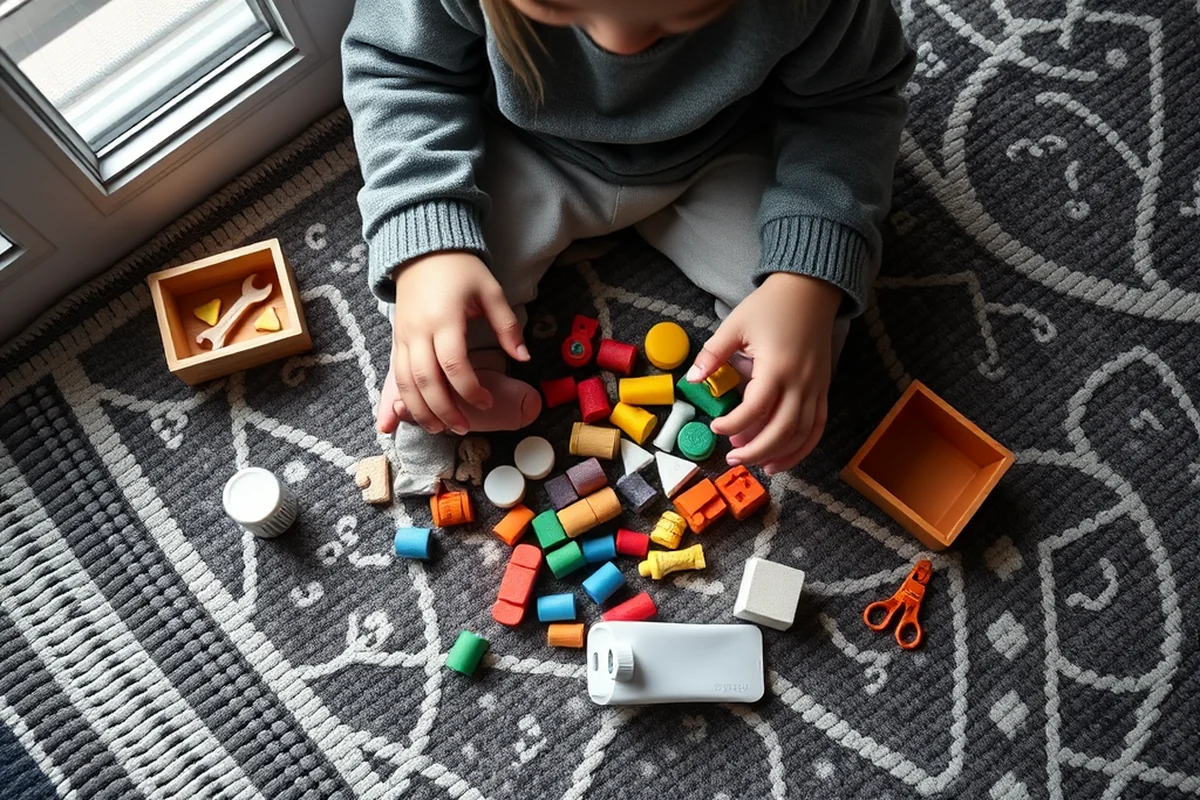
Creating sensory play on a budget is entirely possible with a little creativity and resourcefulness. Everyday items such as rice, beans, pasta, and even shredded paper can be used to make engaging sensory bins that are both fun and educational. These materials are not only affordable but also highly versatile, allowing for multiple uses and reconfiguration as needed.
Another cost-effective option is repurposing household items such as containers, spoons, and measuring cups to create sensory play tools. For example, old Tupperware containers can be used as sensory bins, while old clothing can be cut into fabric scraps for texture exploration. These items are not only free but also help reduce waste and promote sustainability.
Some parents even collect items from garage sales or thrift stores to create unique sensory play experiences. This not only saves money but also allows for the use of high-quality materials that might otherwise go unused. According to a 2023 survey, over 60% of parents who engage in sensory play on a budget report that they find these activities to be both effective and satisfying.[2]
Common Mistakes
One of the most common mistakes parents make is using unsafe or inappropriate materials for sensory play. For example, small objects such as beads or coins can be a choking hazard for young children, while certain food items may not be safe for sensory exploration. It’s essential to always consider the age and developmental stage of the child when selecting materials.
Another mistake is neglecting to create a dedicated space for sensory play. Without a designated area, children may become frustrated or overwhelmed, and the activity may not be as effective. A well-organized sensory play area can significantly enhance the experience and make it more enjoyable for both parents and children.
Finally, many parents overlook the importance of adapting sensory play activities to their child’s interests and developmental needs. A one-size-fits-all approach may not be as engaging or beneficial. Instead, parents should observe their child’s preferences and tailor the sensory play experience to their unique needs and abilities.
Printables
Printables are an invaluable resource for parents who want to streamline their sensory play planning and execution. Many websites and parenting blogs offer free printable sensory play checklists, activity templates, and even themed ideas for different age groups and interests. These resources can save time and ensure that all necessary materials and instructions are easily accessible.
Printables can also be used to create visual schedules or activity guides that help children understand what to expect during a sensory play session. This can be especially helpful for children with sensory processing differences or those who benefit from structure and routine. Some printable templates even include prompts for parents to reflect on their child’s progress and engagement.
Many parents find that using printable templates helps them stay organized and intentional with their sensory play planning. By having a clear overview of the activities, materials, and goals, parents can ensure that their child’s sensory play experiences are both meaningful and effective. Also, printables can be easily customized to fit the needs of different families and children.
Small-Space Ideas
In small spaces, the key is to use compact, self-contained sensory bins or trays that can be easily stored and moved. Materials like rice, beans, water beads, or kinetic sand provide rich sensory experiences without taking up much room. These can be paired with small toys, scoops, and containers to encourage exploration and motor development.
Consider using vertical space by hanging sensory bottles or wall-mounted play boards. These not only save floor space but also add visual interest and can be customized with different textures, colors, and interactive elements. For example, a wall-mounted board with Velcro or magnets can hold sensory tools or small items for sorting and matching activities.
Another strategy is to create portable sensory kits that can be carried from room to room. These kits can include items like playdough, mini sensory bags, and tactile cards. They are ideal for keeping children engaged during transitions or when space is limited. These kits can also be adapted for different age groups and developmental stages, making them a versatile addition to any small-space parenting toolkit.
Tools, Materials and Resources
For effective sensory play, gather a variety of tools such as scoops, funnels, measuring cups, and textured brushes to enhance exploration. Materials like rice, beans, kinetic sand, and water beads offer tactile experiences, while items like fabric scraps, cardboard tubes, and sensory bottles encourage creativity. These materials can be sourced from local stores, online retailers, or even recycled household items, making them both cost-effective and eco-friendly.
Invest in sensory bins or containers with lids to keep mess contained and ensure easy cleanup. Consider purchasing sensory play kits that include pre-packaged materials and activities, which are ideal for busy parents. Also, online platforms like Pinterest and YouTube provide a wealth of DIY sensory play ideas, allowing for customization based on your child’s interests and developmental stage.
Explore community resources such as libraries that offer sensory play kits for loan, or local toy stores that host sensory play workshops. Educational websites and parenting blogs often provide printable templates and guides to help you create engaging sensory activities at home. By combining these tools and resources, you can create a rich, interactive sensory play environment for your child.
Troubleshooting and Common Questions
Parents often worry about mess and cleanup, but using sensory bins, waterproof mats, and easy-to-clean surfaces can help manage the mess effectively. It’s also important to set clear boundaries and encourage cleanup as part of the play process. If your child becomes frustrated or disinterested, try introducing new materials or adjusting the activity to match their current interests.
Safety is a top concern, so always ensure that materials are non-toxic, age-appropriate, and free from small parts that could be a choking hazard. If you're unsure about the suitability of a material, consult product guidelines or seek advice from pediatricians. Also, if your child shows signs of overstimulation, like withdrawing or crying, it’s best to take a break and return to the activity later.
Common questions include how often to engage in sensory play and how to incorporate it into daily routines. Aim for at least 15–30 minutes of sensory play daily, and integrate it into existing activities like bath time or meal prep. For children with sensory sensitivities, start with low-stimulus activities and gradually introduce more complex materials. By addressing these concerns, you can ensure a safe, engaging, and beneficial sensory play experience for your child.[3]
Getting Started: Your First Steps
Start by gathering a few basic sensory materials like playdough, rice, water beads, or fabric scraps. These items are affordable, easy to find, and provide a variety of sensory experiences.
Choose a space that is easy to clean and free from breakable items. A table covered with a plastic sheet or a large tray can help contain the mess and simplify cleanup afterward.
Introduce your child to sensory play gradually. Let them explore at their own pace, and encourage interaction by asking questions or suggesting new ways to use the materials. This fosters curiosity and engagement.
🌱 Beginner
The simplest version — minimal supplies, quick win.
💰 Budget
Same result using what you already have.
⚡ Quick
The 10-minute version for busy days.
✨ Advanced
The upgraded version once the basics stick.
| The mistake | Why it happens | The fix |
|---|---|---|
| Using unsafe materials | Small objects or choking hazards can pose serious risks to young children during sensory play. | Always choose materials that are safe and appropriate for the child's age and developmental stage. |
| Neglecting cleanup | Failing to clean up after sensory play can lead to messes, potential safety hazards, and the spread of germs. | Create a dedicated area for sensory play that is easy to clean and establish a routine for tidying up after each session. |
| Not adapting to the child’s developmental stage | A one-size-fits-all approach may not be engaging or beneficial for all children. | Tailor sensory play activities to the child’s interests, abilities, and developmental needs by observing and adjusting the experience accordingly. |
sensory play indoor & rainy day ideas
Common Questions
What is a sensory play rainy day checklist?
What are sensory play rainy day ideas for beginners?
What are some examples of sensory play indoor rainy day ideas?
What are some affordable sensory play indoor rainy day ideas?
Cite this guide
Messysenses (2026). Sensory Play Indoor & Rainy Day Ideas. https://messysenses.com/sensory-play-indoor-rainy-day-ideas/[4]
Feel free to cite or share this guide.
References
- Mud! Make the most of it! — Early Learning Professionals (extension.psu.edu)
- Classroom Activities :: Early Learning Center - Bellevue College (bellevuecollege.edu)
- Basking in the Rain - Bing Nursery School - Stanford University (bingschool.stanford.edu)
- Spring and Summer Sensory Play Activities – Community Education (blogs.cornell.edu)
- Fun, Engaging Activities to Keep Children Busy at Home (ecec.ucmerced.edu)