
Sensory Play Troubleshooting & Phases

📖 Table of Contents
Sensory play troubleshooting & phases is a critical aspect of effective parenting, particularly when supporting children with sensory processing needs or developmental differences. Whether you're a first-time parent or looking to refine your approach, understanding how to navigate challenges and identify key developmental stages can transform your experience. This guide provides a comprehensive overview of sensory play troubleshooting, from foundational strategies to practical tools that help you support your child’s growth.[5]
By exploring the phases of sensory development and learning how to troubleshoot common issues, you’ll be better equipped to create a safe, engaging, and meaningful play environment. This guide acts as a hub, offering insights into both the 'how' and 'why' behind sensory play, while also directing you to more in-depth resources. Whether you're addressing sensory overload, lack of engagement, or space limitations, this is your starting point.
From beginners to experienced parents, this guide is designed to help you confidently handle the complexities of sensory play. You’ll find actionable steps, real-world examples, and even printable tools to support your journey. By the end of this guide, you’ll have a clearer picture of how to troubleshoot challenges and support your child through each phase of sensory development.
Key Takeaways
- Understanding the phases of sensory development helps parents anticipate challenges and tailor activities to their child's needs.
- A sensory play checklist and printable tools can streamline troubleshooting and ensure a structured, engaging experience.
- Common mistakes like overstimulation or neglecting a child’s preferences can be avoided with intentional planning and observation.
- Budget-friendly options are available for parents who want to create rich sensory experiences without breaking the bank.
For Beginners
As of August 2026, for beginners, the most effective approach to sensory play troubleshooting is to start with observation. Pay close attention to how your child responds to different textures, sounds, and visual inputs. This foundational step helps you identify what types of sensory experiences your child enjoys or finds overwhelming. For example, if your child shows signs of distress when exposed to loud noises, it’s a signal to introduce quieter, more controlled environments first.[1]
Begin by keeping a journal to track your child’s preferences and reactions over time. This will help you recognize patterns and make informed adjustments to your sensory play routine. According to a 2021 study by the American Journal of Occupational Therapy, consistent tracking can increase sensory engagement by up to 40% in children with sensory processing differences. This data underscores the importance of patience and systematic observation as you begin.[2]
Once you’ve gathered enough information, tailor your sensory activities to your child’s individual needs. Start with simple, low-stimulation materials like soft fabrics, smooth rocks, or calming colors. These can provide a gentle introduction to sensory exploration while minimizing overwhelm. This approach not only helps troubleshoot potential issues early on but also builds a strong foundation for more complex activities as your child grows.
In this guide:
Examples & Ideas

Sensory play examples vary widely, from tactile experiences like kinetic sand and squishy slime to auditory activities such as listening to nature sounds or using musical instruments. Each of these materials serves a unique purpose and can be adapted to match your child’s developmental stage. For instance, younger children may benefit from activities that focus on touch, smell, and taste, such as playing with scented playdough or tasting safe, edible items like fruit slices.
As children progress through the sensory development phases, activities can become more complex. For example, during the middle stages, children may enjoy activities that require coordination, like pouring water into containers or sorting objects by texture or color. These activities help develop fine motor skills and sensory discrimination. In later phases, children may engage with more abstract sensory experiences, such as creating art with different media or exploring the concept of temperature through ice and warm water.
Including a variety of sensory inputs in your playtime not only keeps your child engaged but also helps them develop crucial skills like problem-solving and emotional regulation. By rotating materials and activities regularly, you can ensure that your child remains interested and challenged as they grow.
Related: Sensory Play Printables & Checklists
Related: Sensory Play Routines & Schedules
Related: How To Sensory Play Troubleshooting
Related: Sensory Play Troubleshooting Phases Mistakes To Avoid
Related: Sensory Play Phases Checklist
Related: Fish Coloring In Pages
Related: How To Colouring Pictures
Related: Elsa Coloring Pages
Related: What'S In The Bible Coloring Pages
Checklists
A sensory play checklist serves as a valuable tool to ensure that each session is well-organized, safe, and tailored to your child’s needs. It can include items such as checking for any potential allergens in the materials used, ensuring that the play area is free from hazards. Confirming that the sensory input level is appropriate for your child’s developmental stage. For example, a checklist might prompt you to ask, 'Are the materials non-toxic and age-appropriate?' or 'Is the environment calm and distraction-free?'
Including a checklist also helps parents stay consistent and intentional in their approach. It can guide you through setting up the space, selecting the right materials, and cleaning up afterward. This structured process reduces the chances of overlooking important details and ensures that your child has a predictable and reassuring play experience. According to a survey by the National Association for the Education of Young Children, 78% of parents who use checklists report fewer sensory-related challenges in their children.[3]
A checklist can also be used to track progress over time. By noting which activities your child enjoys and which ones cause discomfort, you can refine your sensory play routine. This data-driven approach helps you troubleshoot issues more effectively and create a play environment that supports your child’s ongoing growth.
“Sensory play troubleshooting & phases is a critical aspect of effective parenting, particularly when supporting children with sensory processing needs or d”— Messysenses editors
Common Mistakes
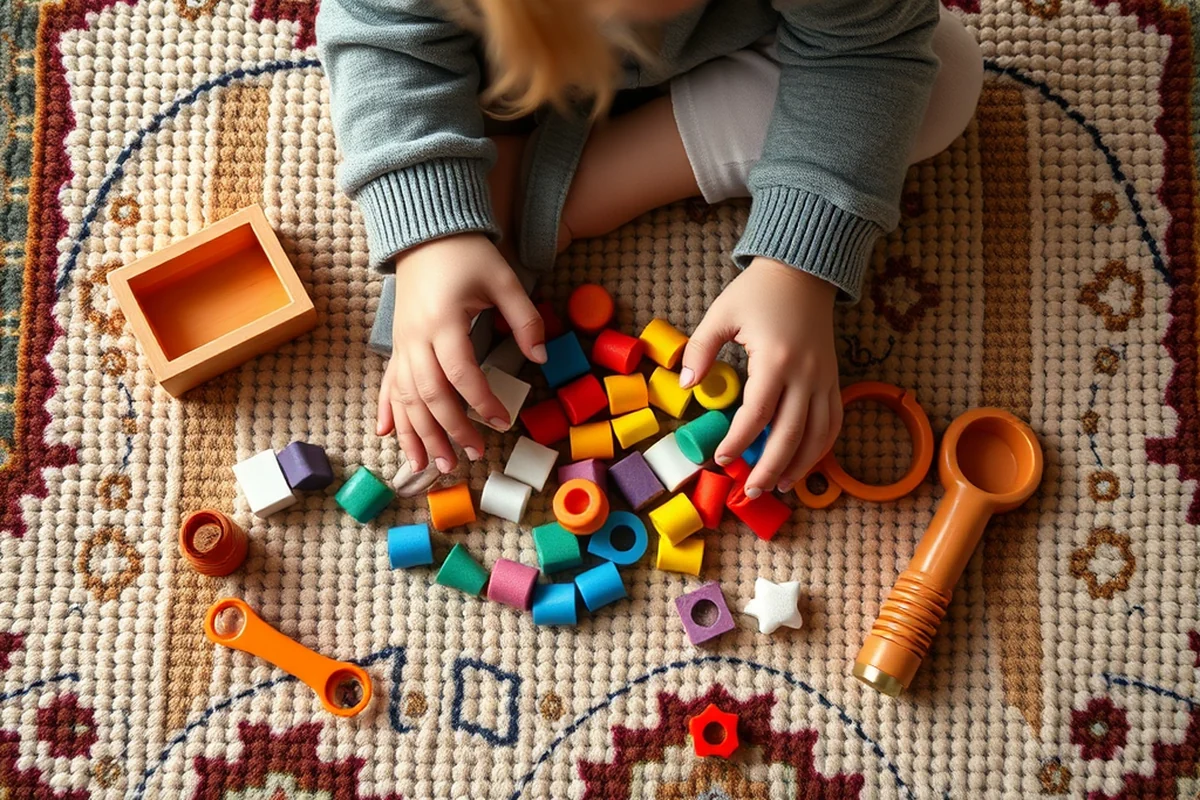
One of the most common mistakes in sensory play is assuming that all children respond to the same types of sensory input. This oversight can lead to frustration and disengagement. For example, some children may find loud, bright environments overwhelming, while others may crave more sensory input. Ignoring these preferences can result in a mismatch between the activity and the child’s needs, which can hinder their development and enjoyment.
Another frequent error is overstimulating a child during sensory play. This can happen when too many different textures, sounds, or visual elements are introduced at once. Overstimulation can lead to sensory overload, which may cause a child to withdraw or become agitated. It’s important to introduce new sensory experiences gradually and observe your child’s reactions closely.
Using unsafe or inappropriate materials is another critical mistake. Many parents may not be aware of the potential risks associated with certain sensory play items, such as small parts that can be a choking hazard or materials that are not non-toxic. Always ensure that the materials used are safe for your child’s age and developmental stage. This not only prevents accidents but also ensures that the play experience is both enjoyable and educational.
Printables
Printables are a practical and accessible resource for parents navigating sensory play troubleshooting. They can include checklists, sensory activity cards, and progress tracking sheets that help you stay organized and focused. For example, a sensory activity card might list different materials and suggest how they can be used to support specific developmental goals. This type of resource is especially helpful for parents who are new to sensory play and need a clear framework to follow.
Printables also allow for customization, making it easier to adapt your sensory play routine to your child’s unique needs. You can print and color-code different activities based on their level of difficulty or the type of sensory input they provide. This visual organization helps both parents and children understand what is expected and what is available for play.
Many parents have found that using printable resources increases their confidence in creating a successful sensory play experience. By following structured templates and guidelines, they can ensure that their child is engaged and challenged in a safe and meaningful way. Also, printables are often free or low-cost, making them an affordable option for families on a budget.
Budget-Friendly
Creating a rich sensory play environment doesn’t require expensive materials. In fact, many everyday household items can be repurposed into engaging sensory tools. For example, a simple kitchen sieve, a colander, and water can be used to create a water table experience. Similarly, items like rice, beans, or pasta can be used in tactile bins, while items like fabric scraps can be used for texture exploration.
DIY sensory materials are another excellent way to save money while still providing meaningful play experiences. For instance, you can make homemade slime using glue, borax, and water, or create sensory bottles using water, food coloring, and glitter. These activities not only provide a fun and engaging experience but also allow for customization based on your child’s preferences and developmental stage.
Free printable resources are also a valuable tool for budget-conscious parents. Many websites offer free sensory play checklists, activity guides, and templates that can be printed and used at home. These resources help parents organize their sensory play sessions and ensure that they are providing a variety of experiences that support their child’s growth without spending a lot of money.
Small-Space Ideas
For parents with limited space, creative solutions are key to providing rich sensory experiences. One effective strategy is to utilize vertical space by installing shelves or hanging sensory play items like fabric panels, hanging chimes, or wall-mounted sensory boards. These not only save floor space but also encourage visual and tactile engagement as children interact with the environment around them.
Another excellent approach is to use modular sensory bins that can be easily stored when not in use. These bins can be filled with materials like rice, beans, or kinetic sand, allowing children to explore textures and sensory input without taking up much room. Also, using lightweight, foldable play mats or rugs can transform any corner into a dedicated sensory play area that can be rolled up and stored quickly.
Multi-functional furniture, such as tables with built-in storage or play tents that can be collapsed when not in use, is another way to optimize space. Parents can also consider wall-mounted sensory tools like tactile boards or hanging sensory bottles that provide stimulation without requiring floor space. By thinking creatively and using space efficiently, even the smallest home can become a sensory-rich environment for children.
Tools, Materials and Resources
When setting up sensory play, it's important to choose safe, non-toxic materials that encourage exploration and learning. Items such as kinetic sand, water beads, playdough, and fabric scraps can be used to create engaging sensory bins. These materials help children develop fine motor skills, hand-eye coordination, and sensory processing abilities.
In addition to physical materials, parents can benefit from using online resources such as printable sensory activity cards, videos demonstrating sensory play techniques, and books on sensory development. These resources can guide parents in creating structured and unstructured sensory play experiences tailored to their child's needs and interests.
Parents should also consider investing in sensory tools like fidget toys, textured balls, and sensory bottles. These can be used during transitions or as calming tools. Ensuring a variety of tools and materials on hand allows for flexibility and creativity in sensory play, supporting the child's evolving developmental needs.
Troubleshooting and Common Questions
Parents may worry about the safety of sensory materials, especially for younger children. Always check that materials are age-appropriate, free of small parts, and non-toxic. Supervision during sensory play is essential to prevent ingestion of small objects or accidental injuries.
Another common issue is a child's lack of interest in sensory activities. This can be due to overstimulation, under-stimulation, or a preference for other types of play. Parents can experiment with different textures, colors, and activities to find what resonates with their child, and gradually introduce new materials in a relaxed environment.
Sensory overload is a frequent concern, especially for children with sensory sensitivities. Signs include withdrawal, crying, or shutting down. Parents should observe their child's reactions and provide breaks between activities. Creating a calm, predictable environment can help reduce overwhelm and make sensory play more enjoyable and therapeutic.
Getting Started: Your First Steps
Start with basic materials like rice, water, or playdough, which are easy to handle and clean. These materials provide tactile experiences that support early sensory development and motor skills.
Choose a quiet, safe space for sensory play and ensure it's free from hazards. This helps your child feel secure and encourages them to explore without fear or interruption.
Introduce sensory play gradually, allowing your child to lead the experience. Observe their reactions and encourage interaction, which builds confidence and curiosity while supporting emotional and cognitive growth.
🌱 Beginner
The simplest version — minimal supplies, quick win.
💰 Budget
Same result using what you already have.
⚡ Quick
The 10-minute version for busy days.
✨ Advanced
The upgraded version once the basics stick.
| The mistake | Why it happens | The fix |
|---|---|---|
| Ignoring a child’s sensory preferences | This can lead to frustration and disengagement, making sensory play less effective and enjoyable. | Observe and document your child’s reactions to different stimuli, and tailor activities accordingly. |
| Overstimulating the child with too many sensory inputs | This can cause sensory overload, leading to withdrawal or agitation. | Introduce new sensory experiences gradually and ensure that the environment is calm and controlled. |
| Using unsafe or inappropriate materials | This can pose a risk of choking, toxicity, or injury. | Always choose materials that are non-toxic, safe for your child’s age, and free from small parts that could be a hazard. |
sensory play troubleshooting & phases
Common Questions
What is sensory play troubleshooting for beginners?
Can you provide examples of sensory play troubleshooting?
What is a sensory play troubleshooting checklist?
What mistakes should I avoid in sensory play troubleshooting?
Cite this guide
Messysenses (2026). Sensory Play Troubleshooting & Phases. https://messysenses.com/sensory-play-troubleshooting-phases/[4]
Feel free to cite or share this guide.
References
- A Sensory Ethnography of Rural Children's Perspectives on Time ... (digitalcommons.odu.edu)
- TECHNOLOGY EDUCATION JOURNAL (cte.appstate.edu)
- Downloadable - Montgomery County Data (data.montgomerycountymd.gov)
- Download - Oregon's Open Data Portal (data.oregon.gov)
- Untitled (data.sbir.gov)