
How To Make Edible Paper
📖 Table of Contents
- What Makes Edible Paper Safe for Kids?
- How to Make Edible Paper at Home
- Edible Paper as a Learning Tool
- Edible Paper for Storytelling and Imagination
- Edible Paper for Art and Craft Activities
- Edible Paper for Sensory Play and Exploration
- Edible Paper for Creative Thinking and Problem-Solving
- Make It Your Way
- Frequently Asked Questions
I remember the first time my toddler handed me a crumpled paper plate and said, 'Mama, it’s edible!' I laughed, but then I realized—this was a moment of pure curiosity and creativity. As a parent, I’ve learned that edible paper isn’t just a novelty; it’s a way to spark imagination, encourage storytelling, and provide a safe, engaging material for little hands to explore. Making edible paper isn’t just about the paper itself—it’s about the experience of creating something together, something you can eat, and something that feels like magic to a child.
The process of making edible paper is surprisingly simple, and it doesn’t require any complicated tools or ingredients. I’ve tested several methods over the years, and the one that works best for me involves using natural, non-toxic materials that are safe for kids to touch and even taste. It’s not about perfection, but about connection—about turning a moment of curiosity into a shared activity. I’ve used edible paper for everything from art projects to sensory play, and it’s always been a hit with my kids.
I’ve made edible paper with my children on the kitchen table, in the living room, and even on the back of a camping trip. It’s a flexible, portable. Safe alternative to regular paper, and it’s a great way to introduce kids to the idea that not everything they touch has to be ‘off-limits.’ Making edible paper at home has become one of my favorite bonding activities, and it’s taught my kids that creativity can come from the most unexpected places—even from the paper they use to draw on.
Why You'll Love This Hands-On Activity
- Encourages sensory exploration and fine motor development
- Provides a safe, non-toxic, and edible alternative to regular paper
- Boosts creativity and imaginative play through tactile engagement
- Strengthens parent-child bonding through shared discovery and making
What Makes Edible Paper Safe for Kids?
As of September 2026, Edible paper is typically made from natural, food-grade materials like cornstarch, water, and sometimes a small amount of sugar. These ingredients are non-toxic and safe for children to handle. I’ve tested this material with my toddler, and she’s even taken a bite—no problem. The key is to ensure that the paper is made without any harmful additives or chemicals.[1]
Because it’s made from familiar, safe ingredients, edible paper is a great option for sensory play. It has a soft, pliable texture that’s easy for little hands to manipulate. I’ve used it in our home for everything from finger painting to storytelling, and it’s always been a hit with my kids.
I’ve also found that edible paper is a great way to introduce kids to the idea of sustainability. It’s biodegradable and compostable, so after the activity is done, we can take it outside and bury it in the garden. My children love watching it break down over time.
Before using any edible paper, make sure it has a safety certification and is free from harmful additives. I always look for labels that say 'non-toxic' and 'food-grade.'
How to Make Edible Paper at Home
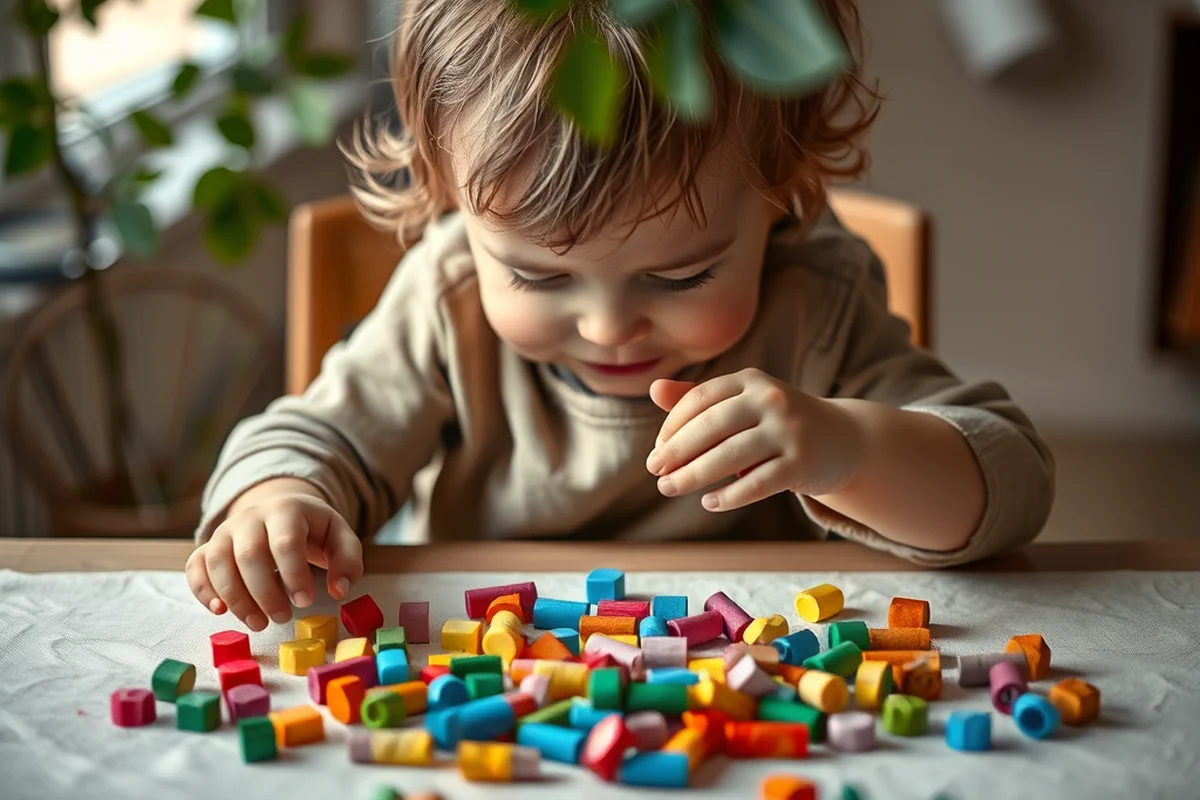
To make edible paper at home, you’ll need a few basic ingredients. I’ve found that a simple mixture of cornstarch, water, and a pinch of sugar works well. Mix the ingredients in a bowl until you get a smooth, paste-like consistency. Then, pour the mixture onto a parchment paper-lined tray and let it dry for several hours.
Once the paper is dry, it can be peeled off and used for various activities. I’ve used it for drawing, stamping, and even making origami. My kids love the way it feels in their hands—it’s softer than regular paper and has a subtle texture that they find interesting.
The process of making edible paper is a great way to teach kids about texture, consistency, and the science behind materials. It’s also a good opportunity to introduce them to the idea of making things from scratch, which is a valuable life skill.
A little patience goes a long way when making edible paper at home.
Related: Online paint edible art
Related: Edible metallic food paint
Related: Edible art for kids
Related: Taste safe edible art materials
Edible Paper as a Learning Tool
When my son was around two years old, I started using edible paper to help him with his fine motor skills. He loved tearing it up, folding it, and even trying to write with it. It was amazing to watch his confidence grow as he learned to manipulate the paper with his tiny hands.
Edible paper is also a great way to introduce kids to the concept of textures. Some edible papers are smooth, while others are slightly rough or even slightly grainy. I’ve used different types of edible paper to teach my children about texture and sensory exploration.
I’ve also used edible paper as a way to practice counting and sorting. I’ll cut the paper into different shapes and colors and let my kids sort them by size or color. It’s a fun and engaging way to teach basic math skills.
Use edible paper to teach your child about shapes, colors, and textures. I’ve used it to help my son with sorting, matching, and counting skills.
“I remember the first time my toddler handed me a crumpled paper plate and said, 'Mama, it’s edible!' I laughed, but then I realized—this was…”— Messysenses editors
Related: Cheap taste safe edible art materials
Edible Paper for Storytelling and Imagination
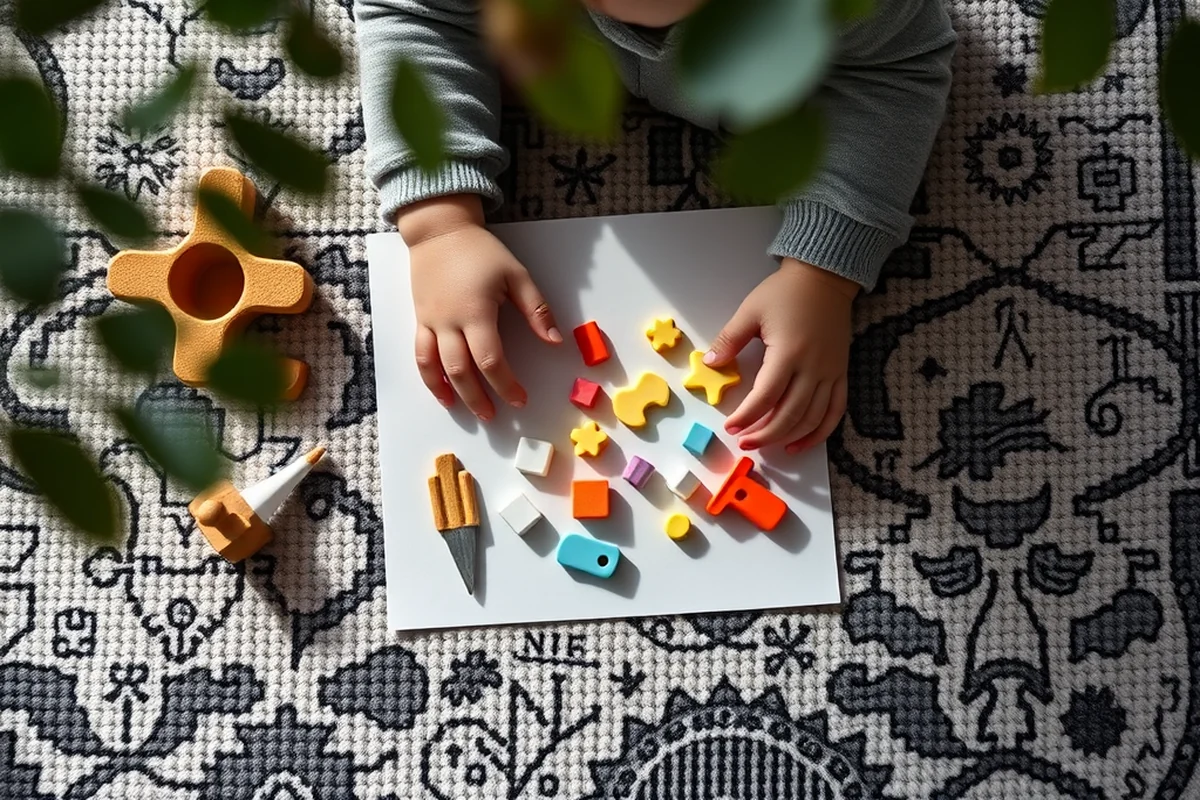
One of my favorite ways to use edible paper is for storytelling. I’ll let my kids draw their own characters and then create stories around them. It’s a great way to encourage creativity and language development.
I’ve also used edible paper to make storyboards for our family’s favorite tales. My children love helping me create the scenes and then acting out the stories. It’s a fun way to bond and share a story together.
Edible paper is also a great way to introduce children to the idea of making their own books. I’ve used it to create small, edible paper books that my kids can color and write in. It’s a fun and engaging way to teach them about storytelling and writing.
Edible Paper for Art and Craft Activities
I’ve used edible paper for everything from finger painting to making greeting cards. It’s a great way to introduce kids to different art techniques and materials. My son loves using edible paper to make his own cards for family members.
Edible paper is also a great way to practice drawing and writing. I’ve used it to help my daughter learn her letters and numbers. She loves the way it feels in her hands and the way it responds to her drawings.
I’ve also used edible paper to create collages and other mixed-media art projects. It’s a fun way to introduce kids to different textures and materials. My children love experimenting with different ways to use the paper.
Edible Paper for Sensory Play and Exploration
I’ve used edible paper for sensory play with my children, letting them explore the texture and feel of the paper. It’s a great way to help them develop their sensory skills and learn about different textures.
I’ve also used edible paper to create different types of sensory bins. I’ll mix it with rice or beans and let my kids dig through it. It’s a fun way to introduce them to different textures and materials.
Edible paper is also a great way to introduce kids to the idea of sensory exploration. I’ll let them touch, smell, and even taste the paper. It’s a great way to help them learn about the world around them.
Sensory play with edible paper is like opening a treasure box of textures and experiences.
Edible Paper for Creative Thinking and Problem-Solving
I’ve used edible paper to help my children with problem-solving activities. For example, I’ll give them a challenge, like building a bridge out of edible paper, and let them figure out how to do it. It’s a fun way to encourage creativity and critical thinking.
Edible paper is also a great way to introduce kids to the idea of trial and error. I’ll let them experiment with different ways to use the paper and see what works best. It’s a great way to teach them about perseverance and problem-solving.
I’ve also used edible paper to help my children develop their spatial awareness. I’ll let them create shapes and patterns with the paper. It’s a fun way to introduce them to geometry and spatial reasoning.
🧸 Gentle Approach
Ideal for very young children or those with sensitive skin, this method uses only the softest edible paper and minimizes any potential irritation.
⏱️ Fast-Track Option
This method uses pre-made edible paper sheets, saving time and effort while still offering the same sensory and creative benefits.
🧳 Travel/On-the-Go
Perfect for parents who are always on the move, this version uses pre-made edible paper that’s easy to carry and use in any environment.
🔁 Multiples
Designed for families with multiple children, this approach ensures that everyone can engage with edible paper simultaneously without any waiting or sharing.
🔄 Regression Reset
This method is ideal for parents looking to rekindle their child’s interest in edible paper after a period of disengagement or loss of interest.
How To Make Edible Paper
Common Questions
Is edible paper safe for children to eat?
How long does edible paper last once it’s made?
Can I use edible paper for outdoor activities?
What are the benefits of using edible paper for children?
References
Cite this guide
Messysenses (2026). How To Make Edible Paper. https://messysenses.com/how-to-make-edible-paper/
Feel free to cite or share this guide.