
Toddler Art And Craft
📖 Table of Contents
- Why Toddler Art and Craft Matters
- The Best Materials for Toddler Art and Craft
- Creating a Mess-Free Space for Art and Craft
- How to Encourage Creativity in Toddlers
- Toddler Art and Craft as a Bonding Activity
- Managing the Mess: Tips and Tricks
- Encouraging Independence in Toddler Art and Craft
- Make It Your Way
- Frequently Asked Questions
I still remember the day my toddler, then two years old, squeezed a handful of glitter into a cup of water and declared it 'sparkly juice.' It was messy, it was chaotic. It was beautiful. That moment, and the dozen that followed, became the foundation of my understanding of toddler art and craft. It’s not about creating masterpieces—it's about exploration, expression, and the pure, unfiltered joy of getting messy together. Through the years of painting with fingers, gluing things that didn’t belong. Making a mess that took hours to clean, I’ve learned that toddler art and craft isn’t just a pastime; it’s a developmental milestone in disguise.
Toddler art and craft is more than a way to keep kids entertained—it's a sensory playground for their growing minds and a tool for parents to bond with their children. I've watched my daughter transform a simple box into a spaceship, a piece of cardboard into a castle, and a handful of beads into a necklace that she proudly wore for a week. These activities teach them about textures, colors, shapes, and the world around them, all while building fine motor skills and creative thinking. The mess? Well, that’s just the price of creativity, and I’m happy to pay it.[1]
As a parent, I’ve found that toddler art and craft is a surprisingly powerful way to manage tantrums, boost confidence, and give my child a sense of agency. Whether it's using crayons to draw on the walls (with permission) or building a tower with blocks that inevitably falls over, these moments teach resilience and curiosity. I’ve learned that the best toddler art and craft experiences are the ones that are unstructured, unscripted, and full of laughter. It's not about perfection—it's about the journey, the mess, and the memories that come with it.
Why You'll Love This Article
- Discover affordable, easy-to-organize craft ideas for toddlers that don't require a lot of materials.
- Learn how to use toddler art and craft as a tool for emotional and developmental growth.
- Get practical tips for managing the mess and turning it into a fun, bonding activity.
- Understand how these activities help build creativity, focus, and confidence in young children.
Why Toddler Art and Craft Matters
As of September 2026, I remember the first time my toddler painted with her fingers. It was a chaotic mess, but it was also a moment of pure joy and learning. Studies show that open-ended art activities help build cognitive skills, hand-eye coordination, and emotional regulation. These early experiences lay the groundwork for future creativity and problem-solving abilities.
When my daughter was 18 months old, I introduced her to finger painting. The first time was a disaster—paint everywhere, but her eyes lit up with excitement. Over time, I noticed her improving control, her ability to recognize colors, and her growing confidence in expressing herself. (1000, alexandriava.gov)[2]
Toddler art and craft isn't just about mess—it's about discovery, exploration, and learning through play. It's a low-pressure way for parents to engage with their children and see their world through their eyes.
Start with one or two colors and a few basic materials. Toddlers thrive on simplicity and repetition.
The Best Materials for Toddler Art and Craft
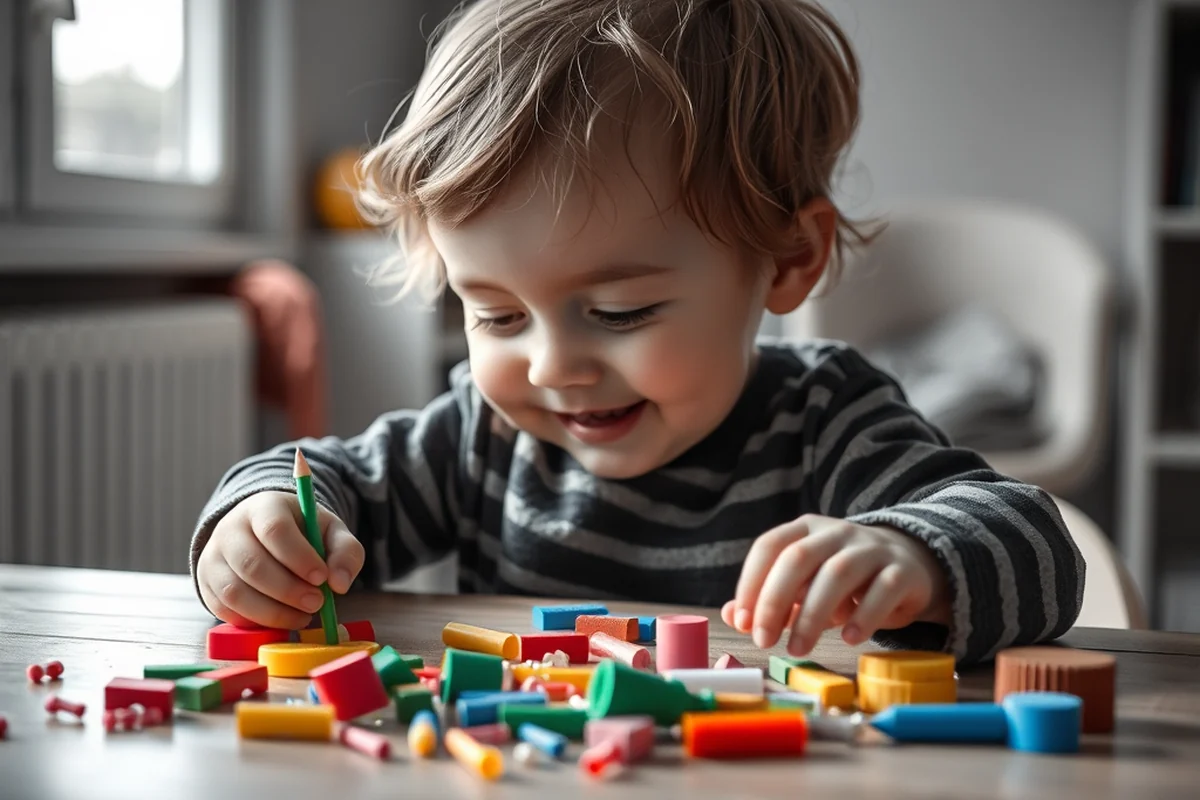
I’ve learned the hard way that not all art supplies are safe for toddlers. Sharp scissors, tiny beads, and liquid glue can be dangerous. I now stick to washable, non-toxic materials, and I keep everything in a clear plastic bin with labels. It makes cleanup easier and keeps things organized.
My go-to materials are washable markers, crayons, finger paints, and large, soft brushes. I also love using paper plates and cardboard boxes as canvases because they’re easy to clean and throw away after the activity. I’ve found that using natural materials like leaves and sticks can also be a fun and sensory way to create art.
Investing in a few key materials can make a big difference. I keep a small bin of art supplies in the playroom, and my toddler can access it independently. It gives her a sense of autonomy and creativity.
The right materials make the difference between a fun, safe experience and a potential disaster.
Related: Process art for toddler
Related: Art class for toddlers
Related: Easy toddler art projects
Related: Art for toddlers ideas
Related: Art projects for toddlers age 2
Creating a Mess-Free Space for Art and Craft
I set up a small table in the kitchen with a waterproof mat and a bucket for cleanup. My toddler loves this space because it's dedicated to her creative projects, and I love it because it keeps the mess contained. I’ve found that using a table instead of the floor makes cleanup much easier and faster.
To make the space even more accessible, I keep all the art supplies in labeled containers. My toddler can pick up the materials she needs without me helping her every time. I also use a small rug that I can roll up and take out when we're done. It helps absorb spills and makes the table look more inviting.
Designating a space for art and craft is a game-changer. It gives your toddler a sense of ownership and makes the activity more enjoyable for both of you.
Use a waterproof mat, labeled containers, and a small cleanup bucket to create an organized and mess-free art zone.
“I still remember the day my toddler, then two years old, squeezed a handful of glitter into a cup of water and declared it 'sparkly…”— Messysenses editors
How to Encourage Creativity in Toddlers
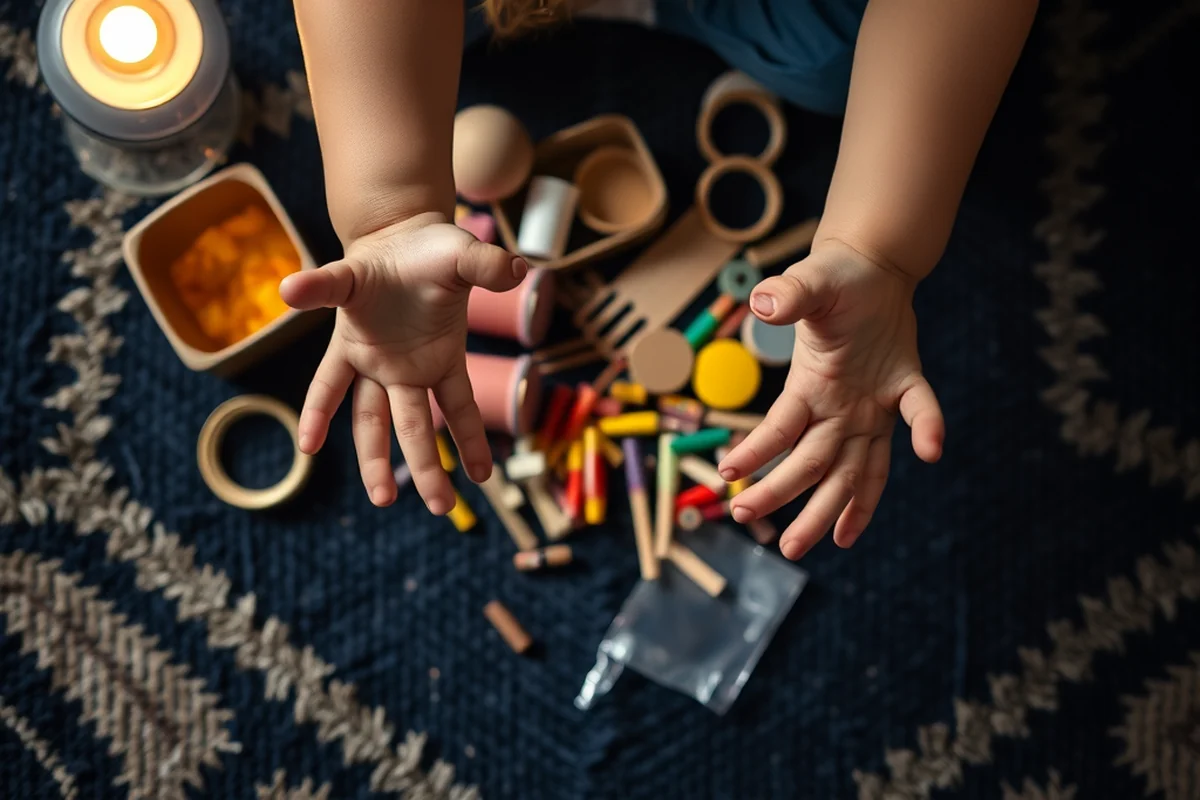
I’ve found that the key to encouraging creativity is to give my toddler the freedom to explore without too much guidance. I don’t direct her to make specific things or color within the lines. Instead, I let her experiment with different materials and techniques. This helps her develop her own unique style and approach to art.
When my daughter was 2 years old, I introduced her to collage-making using magazine cutouts and glue. She loved mixing and matching different pictures to create her own stories. I saw her problem-solving skills improve as she figured out how to glue things together and arrange them in different ways.
Encouraging creativity in toddlers means being open to their ideas and respecting their choices. It’s about giving them the tools and space to express themselves freely.
Toddler Art and Craft as a Bonding Activity
I’ve found that spending time creating art with my toddler is one of the most rewarding parts of parenting. It’s a chance to be fully present, to laugh, and to support her as she explores her creativity. I often join her in painting or building with blocks, and it’s a great way to show her that I’m interested in her world.
When my daughter was 2 years old, we painted together on a large canvas. She would show me her favorite colors, and I would ask her questions about the pictures she was creating. It was a way for us to connect on a deeper level and for her to feel heard and understood.
Bonding through art and craft is a win-win. It gives your toddler a sense of security and connection, and it gives you a chance to enjoy the simple, joyful moments of parenthood.
Managing the Mess: Tips and Tricks
I’ve learned that the key to managing the mess is to clean up as you go. I use a small bucket with a sponge and water to wipe up spills immediately. I also keep a roll of paper towels nearby for quick cleanup. I’ve found that this approach keeps the mess under control and makes the activity more enjoyable.
Another tip is to wear old clothes or an apron when you’re doing art. This helps protect your clothes from paint and glue stains. I also keep a change of clothes for my toddler in case she gets messy. It makes the cleanup process faster and less stressful.
Managing the mess is part of the process. It’s about finding a balance between creativity and practicality. With the right tools and mindset, it can be a fun and rewarding experience for both you and your toddler.
Mess is inevitable, but with the right tools and mindset, it can be a fun and rewarding part of the process.
Encouraging Independence in Toddler Art and Craft
I’ve noticed that my toddler is more engaged and confident when she’s in charge of her art projects. I let her choose the materials, decide what to make, and pick the colors she wants to use. This helps her develop a sense of autonomy and ownership over her creations.
When my daughter was 2 years old, I started letting her make her own choices about her art. She would pick out the materials and decide what she wanted to create. I saw her confidence grow as she took more initiative and made decisions on her own.
Encouraging independence in toddler art and craft is a great way to support their development and build their self-esteem. It’s about giving them the space and freedom to explore their creativity on their own terms.
🎨 Gentle Approach
A low-pressure, sensory-rich approach that focuses on exploration and self-expression.
⏱️ Fast-Track Method
Quick, no-fuss art activities that can be completed in under 30 minutes.
🧳 Travel/On-the-Go
Portable and mess-free art ideas for when you're out and about.
👨👩👧👦 Multiple Kids
Activities that allow multiple toddlers to create together and share the experience.
🔄 Regression Reset
A way to re-engage toddlers who may be going through a creative or developmental slump.
| The mistake | Why it happens | The fix |
|---|---|---|
| Using too many materials at once | It can overwhelm your toddler and make the activity less enjoyable. | Start with a few basic materials and introduce new ones gradually. |
| Forcing creativity | It can lead to frustration and a loss of interest in art and craft. | Let your toddler explore freely and support their ideas without forcing them to follow a specific path. |
| Ignoring the mess | It can make the space unsafe and create a mess that’s hard to clean up later. | Clean up as you go and use a dedicated space for art and craft. |
| Not allowing independence | It can prevent your toddler from developing confidence and creativity. | Let your toddler make choices and take the lead in their art projects. |
Toddler Art And Craft
Common Questions
What are the best materials for toddler art and craft?
How can I encourage my toddler to be creative?
How do I manage the mess of toddler art and craft?
Can I do toddler art and craft on the go?
References
- Play At Home | Sugar Land, TX - Official Website - SugarLandTX.gov (sugarlandtx.gov)
- Alexandria Library: Home (alexandriava.gov)
Cite this guide
Messysenses (2026). Toddler Art And Craft. https://messysenses.com/toddler-art-and-craft/
Feel free to cite or share this guide.