
Easy Art Ideas For Toddlers
📖 Table of Contents
When my son was two, he would sit for hours, smearing paint across the floor with a giant plastic spoon. It wasn’t the most elegant art session, but it was pure joy — and it taught me how powerful simple, open-ended art activities can be for toddlers. I started experimenting with easy art ideas for toddlers, and it became a daily ritual that bonded us and sparked his creativity. The best part? It required nothing more than a few minutes of preparation and a few supplies you probably already had at home.
I used to think art for toddlers had to be elaborate, like a full painting session with brushes and canvases. But that’s not the case. Easy art ideas for toddlers can be messy, spontaneous, and totally unstructured — and that’s what makes them so effective. I’ve tested dozens of techniques over the past three years. What I’ve learned is that the most engaging activities are the ones that let kids explore with their hands, mouths, and even feet. You don’t need to be an artist to have a great time — just a willingness to get messy and let your child lead the way.
One of my favorite discoveries was how much toddlers can learn through art, even if they’re not aware of it. Easy art ideas for toddlers can help with motor skills, color recognition, and even emotional expression. My son learned to hold a crayon properly after just a few sessions with finger paints. It wasn’t about making a masterpiece — it was about the process, the mess, and the moments we shared. That’s why I created this guide: to help other parents find simple, fun, and impactful ways to bring art into their toddler’s world.[1]
Why You'll Love This Guide to Easy Art Ideas for Toddlers
- It’s mess-friendly — no need for perfection or cleanup.
- It encourages creativity and self-expression without pressure.
- It uses common household items, so you don’t need to buy special supplies.
- It’s adaptable for all ages and abilities, including kids with sensory needs.
The Power of Messy Play
As of August 2026, Messy play is more than just fun — it’s a crucial part of toddler development. When I let my son explore with paint, water, and clay, I noticed a huge improvement in his hand-eye coordination and ability to grip objects. The mess was part of the learning process, and I stopped worrying about cleanup when I realized it was helping him grow.
I’ve found that toddlers thrive in environments where they can get messy and experiment. Whether it’s finger painting or playing with kinetic sand, these activities let them explore textures, colors, and even emotions. I once watched my son make a sad-looking blob of clay and then press it into the floor — it was his way of expressing what he was feeling.
I started keeping a mess kit in the living room, filled with paper towels, aprons, and extra clothes. It made cleanup easier and helped me focus on the joy of the activity instead of the mess. I’ve noticed that when kids know they can get messy without consequences, they’re more willing to take creative risks.
Keep a small basket with paper towels, aprons, and extra clothes near your art space. It makes cleanup easier and helps your toddler feel prepared for the mess.
Why Open-Ended Materials Are Best
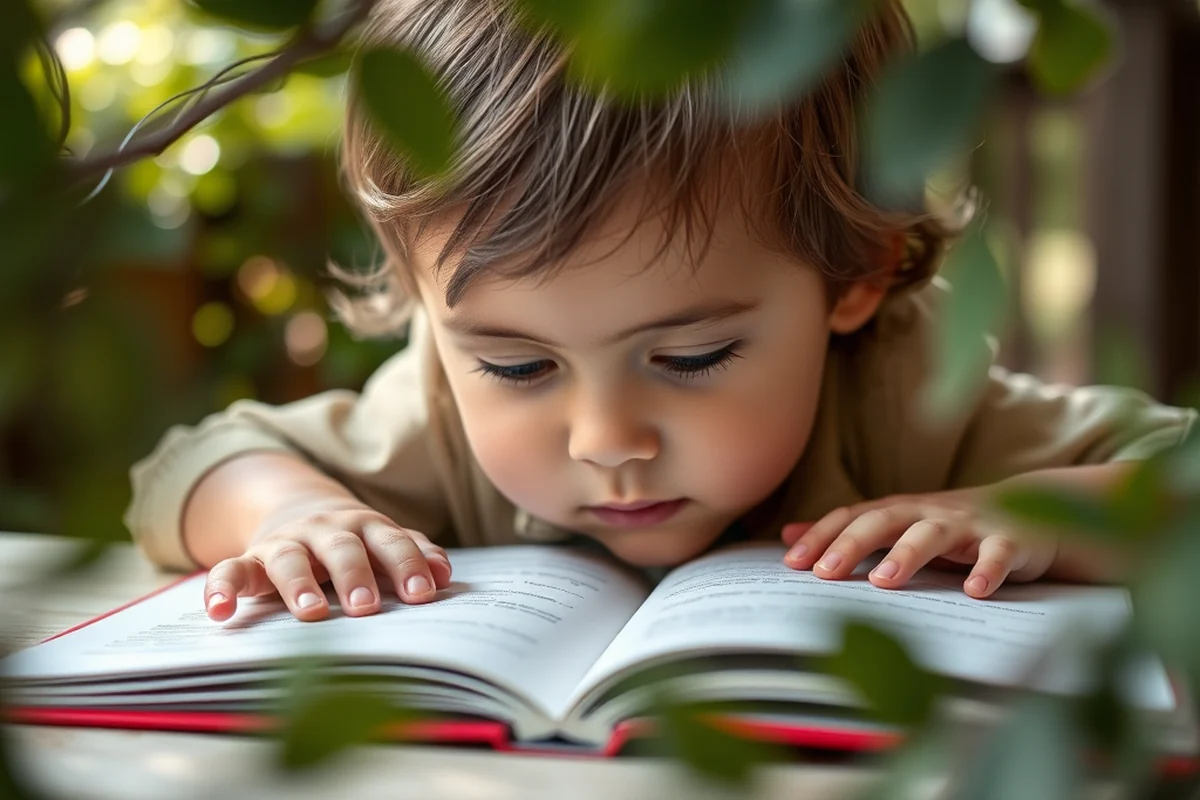
I learned the hard way that pre-made kits with limited options can be frustrating for toddlers. When I first bought a pre-packaged art kit, my son just threw the pieces around and got bored quickly. But when I switched to open-ended materials like playdough, crayons, and watercolors, he was instantly engaged.
Open-ended materials give toddlers the freedom to experiment and create without limits. I’ve seen my son use playdough to make shapes, build houses, and even practice letter formation. He doesn’t know he’s learning — he just enjoys the process.
I now keep a variety of open-ended materials on hand, like tissue paper, pipe cleaners, and fabric scraps. They’re affordable, versatile, and perfect for spontaneous art sessions. I’ve even used leftover fabric from old clothes to make collage materials — it’s creative and sustainable.
Open-ended art materials give toddlers the freedom to be creative without limits.
Related: Easy toddler art by age stage
Related: Art ideas early years
Related: Creative art ideas for toddlers
Related: Easy toddler art ideas
Related: Art class for toddlers
Related: An Easy Drawing Ideas
Related: Art For Toddlers Ideas
Related: Painting Ideas For Toddlers
Related: Hello Kitty Coloring Pages
Related: Art Activities For Toddlers
Related: Paw Patrol Coloring Pages
Related: Back To School Coloring Pages
Related: Easy Sand Art For Beginners
Related: What Is Easy Things To Draw
Related: Process Art For Toddlers Ideas
Using Natural Materials for Sensory Play
I was surprised to find that natural materials can be just as engaging as any store-bought art supplies. One afternoon, I took my son on a nature walk and collected leaves, sticks, and pebbles. We used them to make collages and even created a small garden with rocks and flowers.
Natural materials are great for sensory play and help toddlers connect with the world around them. I’ve noticed that my son is more curious and engaged when he’s working with real textures and colors. He even started asking questions like, 'Why is this leaf green?' and 'What does this rock feel like?'
I’ve made it a habit to collect natural materials from our walks and use them in art activities. It’s a great way to spend time together, encourage exploration, and bring the outdoors into our home. I’ve even used leaves to make prints with watercolors — it’s a beautiful way to combine art with nature.
Take a walk and collect leaves, pebbles, or flowers. Use them to make collages or press them into clay for a natural texture.
“When my son was two, he would sit for hours, smearing paint across the floor with a giant plastic spoon.”— Messysenses editors
The Benefits of Finger Painting
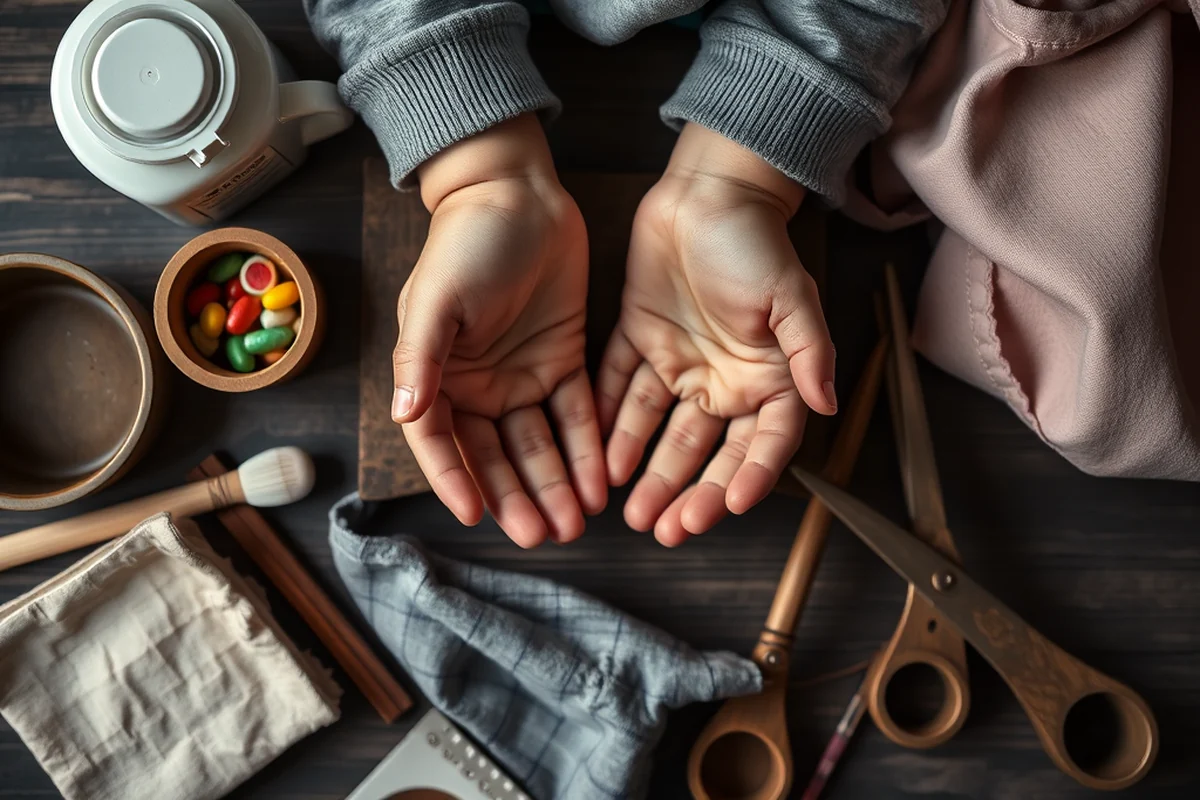
Finger painting is one of the simplest and most effective easy art ideas for toddlers. I used to worry that it would be too messy, but after trying it with my son, I realized it was a game-changer. He loved using his fingers to smear the paint and create abstract designs.
I’ve noticed that finger painting helps with hand strength and control. My son started using his fingers to press, flick, and roll the paint — it was like a mini workout for his hands. He also began recognizing colors more clearly, even asking me to point out different shades.
I now keep a small table with paper and paint near the kitchen, and we do finger painting sessions at least twice a week. It’s become a favorite activity, and I love watching his confidence grow as he explores the colors and textures.
Sensory Play with Oobleck
Oobleck is one of the most fun and unexpected easy art ideas for toddlers. It’s a mixture of cornstarch and water that acts like a solid when you press it and a liquid when you let it flow. I was amazed at how my son reacted to it — he would press his hands into it and watch it change shape.
I’ve used oobleck as a sensory tool and even as a base for art. I let my son press cookie cutters into the oobleck and then let it dry to create unique textures. It’s a great way to combine science and art, and I’ve noticed that my son loves experimenting with different tools.
I now make a small batch of oobleck every few weeks and use it for sensory play. It’s safe, fun, and incredibly engaging. I’ve even used it to teach my son about states of matter — and he didn’t even realize he was learning.
Creating with Recycled Materials
I’ve always tried to reduce waste, and I found that using recycled materials for art is both fun and meaningful. One day, I took old cardboard boxes and turned them into a mini art studio with my son. We painted, cut, and glued everything into a small house — it was like a mini construction project.
Using recycled materials helps teach toddlers about sustainability and creativity. My son loved reusing things that I would have thrown away, and he became more aware of what can and can’t be recycled. We even used old bottle caps to make patterns on paper — it was a simple but impactful activity.
I now keep a bin of recycled materials in the garage, and we use it for spontaneous art projects. It’s a great way to teach my son about environmental responsibility without making it feel like a lesson. He just enjoys creating with what we have.
Recycled materials can be turned into art that teaches sustainability and creativity.
Art That Encourages Emotional Expression
I’ve noticed that art can be a great outlet for my son’s emotions. When he was going through a tough time with a change in routine, he started making abstract drawings with thick crayons. They were messy, but they helped him process his feelings.
I’ve used art to help him express what he can’t always say with words. One day, he made a picture of a crying face with blue and gray crayons. It was a way for him to show that he was feeling sad, and I was able to comfort him better because of it.
I now make time for open-ended art sessions where he can create without judgment. I’ve seen him use colors to show happiness, anger, or even fear. It’s a way for him to explore his emotions and feel understood.
🎨 Gentle
Perfect for toddlers with sensory sensitivities or those who need a calmer, more structured approach.
⏱️ Fast-Track
Ideal for busy parents who want quick, no-prep art ideas that can be done in under 10 minutes.
🧳 Travel/Away-From-Home
Great for on-the-go art with portable, lightweight materials like watercolor tablets and travel-safe paints.
👶 Multiples
Perfect for families with multiple toddlers who want to encourage creativity without constant supervision.
🔄 Regression Reset
Helps toddlers who are going through developmental changes or emotional challenges to express themselves through art.
| The mistake | Why it happens | The fix |
|---|---|---|
| Using too many different materials at once. | Toddlers can get overwhelmed by too many options and may not know where to start. | Introduce one or two materials at a time and let your toddler explore them fully. |
| Expecting your toddler to create a masterpiece. | Toddlers are not interested in perfection — they’re interested in exploration and fun. | Focus on the process, not the outcome. Celebrate their creativity, no matter what it looks like. |
| Not allowing your toddler to lead the activity. | Toddlers need to feel in control of their art — if you’re too involved, they may lose interest. | Let your toddler choose the materials and the activity. Be a guide, not a director. |
| Forcing your toddler to sit still for long periods. | Toddlers have short attention spans and may become frustrated or bored if the activity is too long. | Keep art sessions short — around 10 to 15 minutes — and let your toddler move around as needed. |
Easy Art Ideas For Toddlers
Common Questions
What if my toddler gets frustrated with the art activity?
How do I keep art sessions from becoming too messy?
What if my toddler is too young for traditional art materials?
How can I make art sessions more interactive?
References
- South Carolina Early Learning Standards (ed.sc.gov)
Cite this guide
Messysenses (2026). Easy Art Ideas For Toddlers. https://messysenses.com/easy-art-ideas-for-toddlers/
Feel free to cite or share this guide.