
Sensory Play
📖 Table of Contents
Sensory play is a fundamental part of early childhood development, offering a hands-on way for kids to explore the world through touch, sound, smell, and sight. It's not just about fun—it's about learning, growing, and building critical neural connections that shape a child's future. Whether you're a first-time parent or a seasoned caregiver, understanding sensory play can transform how you engage with your child.[5]
At its core, sensory play involves activities that stimulate the senses, helping children build cognitive, motor, and social skills. These experiences are especially crucial in the first few years of life, when the brain is rapidly developing and forming the foundation for lifelong learning. From simple activities like playing with water and sand to more complex ones involving textures and sounds, sensory play is a powerful tool for parents.
This guide is designed to be your go-to resource for everything related to sensory play. It covers the benefits, age-appropriate activities, and practical tips to ensure you're making the most of these valuable learning moments. Whether you're looking for affordable ideas or ways to incorporate sensory play into daily routines, this hub will guide you step by step.
Key Takeaways
- Sensory play supports cognitive, motor, and emotional development in children.
- Age-appropriate activities are essential for maximizing developmental benefits.
- Sensory play can be done affordably and easily with everyday materials.
- Understanding the definition and benefits of sensory play helps parents make informed choices.
Play Based
As of August 2026, Play-based learning is a child-centered approach that uses sensory play as a vehicle for education. It encourages exploration and discovery, allowing children to learn through doing rather than direct instruction. This method is especially effective for young learners, as it aligns with their natural curiosity and desire to interact with their environment.[1]
Research shows that children who engage in play-based learning develop stronger problem-solving skills and better emotional regulation. For instance, a study published in *Child Development* found that children who participated in sensory-based play showed improved attention spans and higher levels of engagement in classroom settings.[2]
Parents can incorporate play-based learning by creating environments that encourage hands-on exploration. This might include a sensory table filled with safe materials like rice, beans, or water, or even a simple activity like playing with clay and discussing its texture, color, and shape.
Year Olds
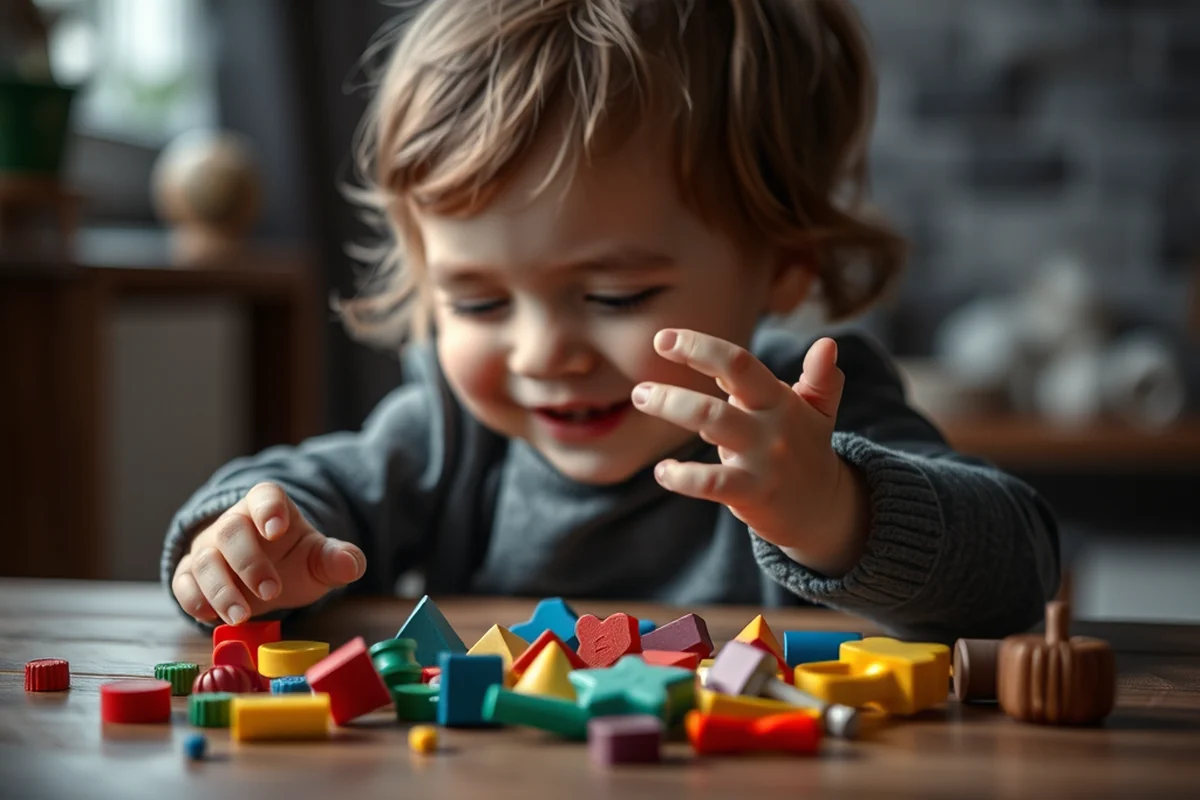
At one year old, children are rapidly developing their sensory abilities and beginning to interact with the world in more complex ways. Sensory play at this age should focus on activities that are safe, easy to manage, and allow for exploration. Parents should be cautious to avoid small objects that could be choking hazards, and ensure all materials are non-toxic and easy to clean.
Activities like playing with soft blocks, squishing playdough, or exploring different textures in a bath can be both stimulating and safe for 1-year-olds. These activities help build fine motor skills, hand-eye coordination, and an understanding of cause and effect.
According to the American Academy of Pediatrics, sensory experiences during the first year of life are crucial for brain development. Parents can support this by providing a variety of sensory-rich materials and encouraging free exploration under supervision.[3]
Related: Sensory Play Printables & Checklists
Related: Hello world!
Related: Sensory Play Routines & Schedules
Related: Sensory Play Troubleshooting Phases Mistakes To Avoid
Related: Sensory Play Troubleshooting Phases Examples
Related: How To Sensory Play Phases
Related: Flower Coloring Pages
Related: Order Of Draw
Related: The Kid Ink
Related: Kpop Demon Hunters Coloring Pages
Related: Spider Man Coloring Pages
Related: Anime Coloring Pages
Related: Sanrio Coloring Pages
Related: Superhero Coloring Pages
Play Activities
Sensory play activities come in a wide variety of forms, from simple household items to more complex, commercially available materials. The key is to choose activities that are both stimulating and developmentally appropriate. For example, young children might enjoy playing with water, sand, or playdough, while older children may benefit from activities that involve more complex textures or sounds.
One popular activity is creating a sensory bin filled with items like rice or beans and hiding small toys inside for the child to find. This not only provides tactile stimulation but also helps develop problem-solving and fine motor skills. Another idea is to use food coloring and water to create a vibrant sensory bath, which can be both fun and visually stimulating.
Many parents find that incorporating natural materials, such as leaves, rocks, or pinecones, can provide an affordable and enriching sensory experience. These materials can be used in a variety of ways, from sorting and matching games to simple exploration and discovery.
“Sensory play is a fundamental part of early childhood development, offering a hands-on way for kids to explore the world through touch, sound, smell, and…”— Messysenses editors
Play Benefits
The benefits of sensory play extend far beyond early childhood, laying the groundwork for future learning and development. It supports cognitive development by helping children understand the world through their senses, enhances motor skills through hands-on exploration. Fosters emotional regulation by allowing children to express themselves in a safe and creative way.
Studies have shown that children who engage in regular sensory play tend to perform better academically and show greater emotional resilience. For example, a 2021 study in *Early Childhood Education Journal* found that children who participated in sensory play on a regular basis had improved attention spans and were better able to focus during structured learning activities.[4]
Also, sensory play promotes social skills by encouraging interaction with others, whether through cooperative play or shared exploration. It’s a powerful way for parents to support their child's overall development while keeping the experience fun and engaging.
Play Kids
For kids, sensory play is more than just a form of entertainment—it's a crucial part of their growth and development. It helps them learn about the world, develop new skills, and build confidence through exploration. Whether they're playing with sand, water, or texture balls, these activities provide valuable learning opportunities.
As children grow, their sensory experiences become more complex, and the types of activities they can engage in expand. For example, while younger children may enjoy simple activities like playing with water, older children might benefit from more complex tasks such as sorting, categorizing, or even creating music with sensory materials.
Parents can support their child's development by providing a variety of sensory experiences and encouraging exploration. This not only helps build essential skills but also fosters a love of learning that can last a lifetime.
Play Definition
Sensory play is a type of play that involves activities that engage a child's five senses—sight, sound, touch, smell, and taste. It is designed to provide hands-on experiences that help children learn, grow, and develop important skills. These activities are often open-ended, allowing children to explore and discover at their own pace.
While sensory play can involve a wide range of materials and activities, its primary goal is to support development through exploration. For example, playing with water and sand allows children to experience different textures and temperatures, while using scented playdough helps them explore different smells.
Understanding the definition of sensory play helps parents make informed choices about the types of activities that are most beneficial for their child. It also allows them to create environments that are both stimulating and supportive of their child's growth and learning.
Toddler Sensory Play
Toddler sensory play is an essential part of early childhood development, engaging multiple senses to stimulate learning and exploration. Activities like playing with sand, water, or textured materials help toddlers build fine motor skills, hand-eye coordination, and problem-solving abilities. These experiences also foster emotional regulation and social interaction when done in group settings.
Parents can support toddlers by creating safe, stimulating environments with a variety of sensory materials such as kinetic sand, playdough, or sensory bins. These activities encourage curiosity and self-directed learning, allowing toddlers to explore at their own pace. Incorporating music, colorful visuals, and scented items can further enhance sensory engagement.
It's important to balance supervision with autonomy during sensory play. While toddlers may become deeply immersed in their activities, parents should ensure safety and provide gentle guidance when needed. Regular sensory play sessions can also be a fun way to bond with your child while supporting their overall development.
For Beginners
For beginners, sensory play can seem overwhelming, but starting with simple, accessible materials like rice, beans, or soft fabrics can ease the learning curve. These materials are easy to clean, affordable, and offer a variety of textures that can be explored safely. It's also helpful to begin with short, focused sessions to build a routine without causing sensory overload.
New parents can benefit from researching age-appropriate sensory activities and learning how to create a sensory-friendly environment. Online resources, parenting forums, and educational websites can provide valuable guidance on the types of materials to use and how to introduce them in a way that's engaging and safe for young children.
As beginners become more comfortable, they can gradually introduce more complex sensory experiences, such as water play, cooking activities, or sensory bags. It's important to remain patient and observe your child's reactions to ensure they're enjoying the activities and feeling safe and supported.
Play Babies
For babies, sensory play is crucial for brain development, as it helps them learn about the world through touch, sound, sight, and even taste. Simple activities like tummy time with colorful toys, playing with soft blankets, or listening to lullabies can provide valuable sensory stimulation. These experiences help develop neural connections that support language, motor, and cognitive skills.
Parents can introduce sensory play to babies through safe, easy-to-hold objects, such as soft blocks, textured books, or squeaky toys. Bath time is also an excellent opportunity for sensory exploration with water, bath bombs, or floating toys. These activities not only entertain but also help babies learn about cause and effect, object permanence, and spatial awareness.
It's important to keep sensory play for babies gentle and unstructured, allowing them to explore at their own pace. Always ensure that materials are safe, free from small parts, and non-toxic. As babies grow, they will naturally progress to more complex sensory experiences, but starting with simple, engaging activities lays a strong foundation for their development.
Play Child
Play is a fundamental part of a child's growth, allowing them to explore the world, develop social skills, and build cognitive abilities. Through imaginative and physical play, children learn to express emotions, solve problems, and interact with others. It's crucial for parents to provide a safe and stimulating environment that encourages curiosity and discovery.
Different types of play, such as pretend play, sensory play, and cooperative play, each contribute uniquely to a child's development. Sensory play, in particular, helps children develop their senses, motor skills, and understanding of cause and effect. Parents can support this by offering a variety of materials that engage sight, touch, sound, and movement.
Encouraging play is not just about entertainment—it's a vital tool for learning. As children engage in play, they build confidence, independence, and resilience. Parents should observe and participate to foster a positive relationship while allowing children the freedom to explore and take risks in a safe setting.
6 Month
By six months, babies are becoming more aware of their surroundings and are eager to explore through touch, sight, and sound. Simple sensory activities, such as playing with soft textures, high-contrast toys, and musical instruments, can stimulate their developing senses and motor skills. These experiences help lay the foundation for future learning and communication.
Parents can introduce baby-safe sensory materials like textured blocks, soft blankets, and rattles to encourage grasping, shaking, and exploring. These activities support the development of fine motor skills and hand-eye coordination. It's important to ensure all materials are safe, non-toxic, and easy to clean.
At this age, sensory play also supports language development as babies begin to associate objects with sounds and actions. Parents can enhance learning by talking to their baby during play, using simple words and repetition to reinforce concepts. This early interaction fosters bonding and cognitive growth.
Games Children
Games provide children with opportunities to develop critical thinking, problem-solving, and social skills in an engaging and enjoyable way. Whether it's a simple board game, a puzzle, or a group activity, games help children learn to take turns, follow rules, and collaborate with others. These experiences are essential for emotional and cognitive development.
Different types of games cater to various developmental stages. For younger children, games that focus on sensory exploration and motor skills are ideal, while older children can benefit from strategy, memory, and cooperative games. Parents should choose age-appropriate games that match their child's interests and developmental needs.
Incorporating games into daily routines can make learning fun and interactive. Parents can use games to teach concepts such as colors, shapes, counting, and basic math. Playing together also strengthens the parent-child bond and creates lasting memories while supporting a child's growth and learning.
Troubleshooting and Common Questions
Parents often worry about mess and safety during sensory play. Use washable materials, set up in easy-to-clean areas, and supervise to ensure safety. Always check for small parts that could be a choking hazard.
Children may not initially engage with sensory activities. Introduce them gradually, let them explore at their own pace, and model enthusiasm. Incorporate their favorite toys or themes to increase interest.
If a child shows aversion to certain textures or sensory inputs, avoid forcing them. Instead, offer alternative options and consult with a pediatrician or occupational therapist if sensory sensitivities are a concern.
Getting Started: Your First Steps
Start with basic items like water, sand, playdough, or fabric scraps. These materials are affordable, easy to clean, and offer a variety of sensory experiences. Choose items that are safe for your child’s age and developmental stage.
Designate a specific area for sensory play, such as a corner of the living room or a play mat. Keep the space organized and stocked with a few open-ended materials that encourage creativity and exploration.
Involve your child in the process by letting them choose their favorite materials or themes. This increases engagement and makes the experience more meaningful. Begin with short sessions and gradually increase the time as your child becomes more comfortable.
🌱 Beginner
The simplest version — minimal supplies, quick win.
💰 Budget
Same result using what you already have.
⚡ Quick
The 10-minute version for busy days.
✨ Advanced
The upgraded version once the basics stick.
| The mistake | Why it happens | The fix |
|---|---|---|
| Using unsafe materials for sensory play. | This can lead to choking hazards or exposure to harmful substances. | Always use safe, non-toxic, and age-appropriate materials for sensory play. |
| Overlooking the importance of supervision during sensory play. | Children may put small objects in their mouths or not understand the risks involved. | Supervise children during sensory play to ensure their safety and provide guidance. |
| Not tailoring sensory play to a child's developmental stage. | Activities that are too complex or too simple may not provide the right level of challenge or engagement. |
sensory play
Common Questions
What is fast play-based learning?
What are some sensory play ideas for 1-year-olds?
What are some minimalist sensory play activities?
What are some common mistakes when discussing sensory play benefits?
Cite this guide
Messysenses (2026). Sensory Play. https://messysenses.com/sensory-play/
Feel free to cite or share this guide.
References
- Mother Nature Knows Best: The Sensory-Rich Environment (blogs.oregonstate.edu)
- Young Children's Understanding of the Role That Sensory ... (bingschool.stanford.edu)
- The Benefits of Sensory Play – Community Education - Cornell blogs (blogs.cornell.edu)
- Sensory Play- Is it Worth the Mess? – Literacy from the Start - IU Blogs (blogs.iu.edu)
- Ants are Friends - Blogs @ MU - Millersville University (blogs.millersville.edu)