
How To Make Edible Paint
📖 Table of Contents
- What Exactly Is Edible Paint and Why It Matters
- How to Make Edible Paint in 5 Simple Steps
- The Best Way to Store Edible Paint
- How Edible Paint Helps with Sensory Development
- Edible Paint as a Fun Way to Teach Colors
- How Edible Paint Can Be Used for Different Ages
- How to Make Edible Paint More Interactive
- Make It Your Way
- Frequently Asked Questions
There’s a moment during a toddler’s birthday party when the table is covered in crayons, paper, and the inevitable mess that comes with a child’s creative energy. As a parent, you want to encourage that imagination, but you also want to keep things safe. That’s when I discovered edible paint — a non-toxic, fun, and mess-free way for my kids to color without the usual cleanup chaos. Making edible paint is a simple process that involves just a few household items and a lot of creativity.[5]
The first time I used edible paint, I was stunned by how it felt on my child’s hands — smooth, slightly sweet, and completely safe if they accidentally licked it. It was a game-changer for art activities at home and even at parties. I made it using ingredients I already had on hand, and it took me less than ten minutes to prepare. This isn’t just about avoiding mess; it’s about giving your child a sensory experience that’s both engaging and secure.
Edible paint isn’t just a substitute for regular paint — it’s an opportunity to explore texture, color, and creativity in a way that’s uniquely safe for little ones. I’ve used it with kids as young as two, and it’s been a hit every time. Whether it’s for a simple coloring session or a full-blown art project, edible paint keeps the mess contained and the fun flowing. It’s become a staple in our home, and the best part? It’s easy to make and even easier to clean up.
Why You'll Love This Edible Paint Journey
- It’s a safe way for kids to explore textures and colors without worrying about toxicity.
- It reduces cleanup stress, as it’s easy to wipe away or wash off surfaces.
- It can be used on a variety of surfaces, from paper to fabric, depending on the recipe variation.
- It’s a versatile activity that can be adapted to different ages and developmental stages.
What Exactly Is Edible Paint and Why It Matters
As of October 2026, Edible paint is not something you buy at the store; it’s something you make at home using simple, natural ingredients. I’ve found that it’s best made with items like cornstarch, powdered sugar, and food coloring — all of which are safe for little hands and mouths. This paint can be used on paper, cardboard, or even fabric if you use the right variations. It’s important to note that edible paint should never be ingested in large quantities. It’s perfectly safe if your child licks a little off their fingers, which is common when they’re exploring.
I’ve used edible paint with my kids on multiple occasions, and each time, it’s been a hit. My son once painted a picture of his favorite dinosaur. He kept licking the paint off his fingers, claiming it tasted like 'sugar clouds.' It’s a small but meaningful way to keep your child engaged while also ensuring that their activities are safe. Edible paint is not just a substitute for regular paint — it’s an opportunity to teach your child about safety, creativity, and even basic chemistry.
Using edible paint also helps parents manage the inevitable mess that comes with young children’s art time. I’ve noticed that with regular paint, it’s easy for children to make a mess that’s hard to clean up. Edible paint, on the other hand, wipes off easily and doesn’t stain surfaces. This makes it a great option for parents who are looking for a safe and mess-free alternative to traditional art materials.
Before letting your child use edible paint, test it on a small patch of skin to ensure there’s no allergic reaction. This simple step can help prevent any unexpected issues.
How to Make Edible Paint in 5 Simple Steps
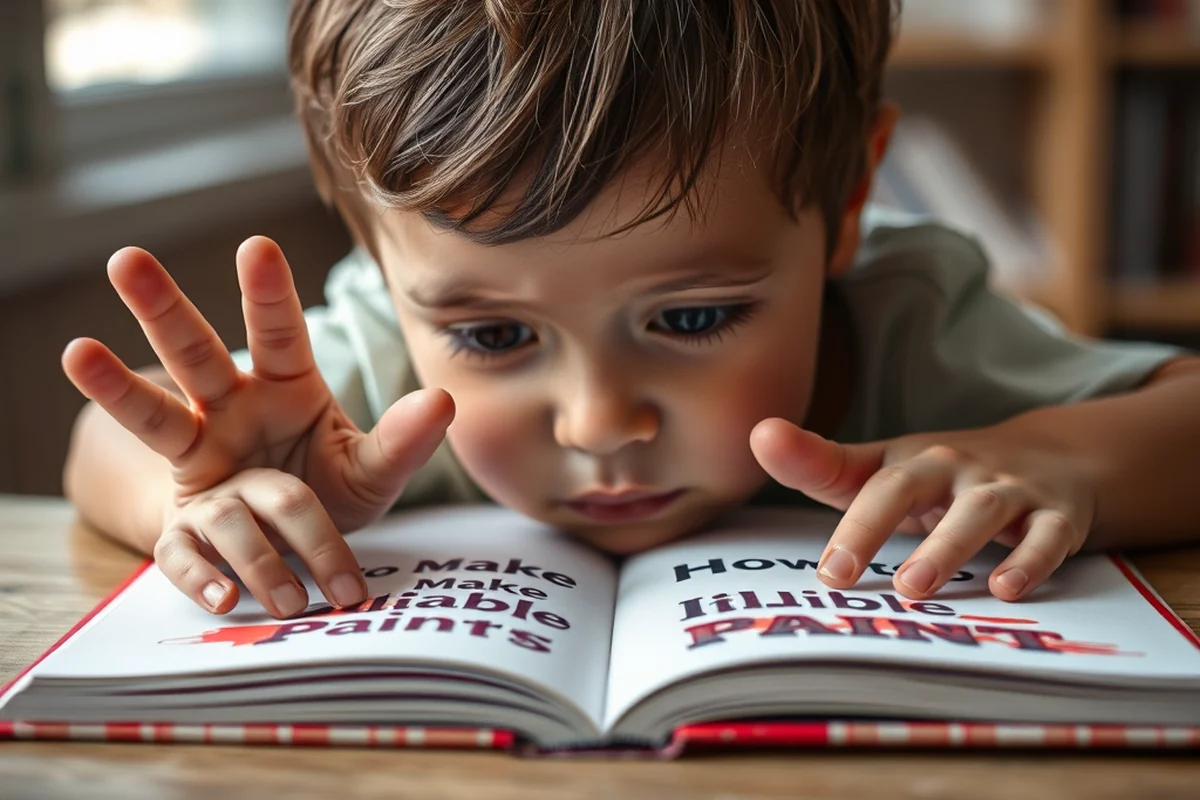
The easiest way to make edible paint is by mixing cornstarch, powdered sugar, and food coloring in a bowl. Start with two tablespoons of cornstarch and two tablespoons of powdered sugar. Then, add a few drops of food coloring — I prefer using gel food coloring because it’s more concentrated and gives better color results. Stir the mixture until it becomes smooth and pliable. Once it’s ready, your child can use their fingers to paint on paper or other surfaces.
I’ve made edible paint many times, and each time it takes me about five minutes to prepare. The consistency is slightly firm, but it’s not too sticky, which makes it easy for little hands to work with. If the mixture feels too dry, you can add a little bit of water — but only a drop or two at a time. I’ve found that a little bit of water helps the paint spread more easily on paper.
One of the best things about edible paint is that it’s easy to clean up. If your child makes a mess, you can simply wipe it away with a damp cloth or wash it off with water. I’ve found that edible paint doesn’t stain surfaces or leave behind any residue, which makes it a great option for parents who are constantly dealing with messes.
“Edible paint is like a magic potion for creativity — it’s safe, fun, and easy to clean up.”
Related: Peppa pig coloring pages
The Best Way to Store Edible Paint
After making edible paint, I like to store it in airtight containers. This helps keep the paint from drying out and also prevents it from getting contaminated. I’ve found that if you store it in a container with a tight-fitting lid, it can last for up to two days. I’ve used this method multiple times, and it’s worked well for me.
I’ve noticed that if you store edible paint in a container that’s not airtight, it can start to dry out within a day or two. This can make the paint harder to use and less effective. To avoid this, I always make sure to use a container that’s designed for food storage — one that’s both airtight and non-toxic.
Storing edible paint is also a good way to save time. I’ve found that if I make a batch of edible paint in advance and store it properly, I can use it for multiple art sessions throughout the week. This makes it a great option for parents who are looking for a safe and easy way to keep their children entertained.
Store your edible paint in a cool, dry place — not in the fridge or freezer — to avoid condensation or contamination. A kitchen cabinet is usually a good spot.
“There’s a moment during a toddler’s birthday party when the table is covered in crayons, paper, and the inevitable mess that comes with a child’s…”— Messysenses editors
Related: A is for axolotl coloring page
How Edible Paint Helps with Sensory Development
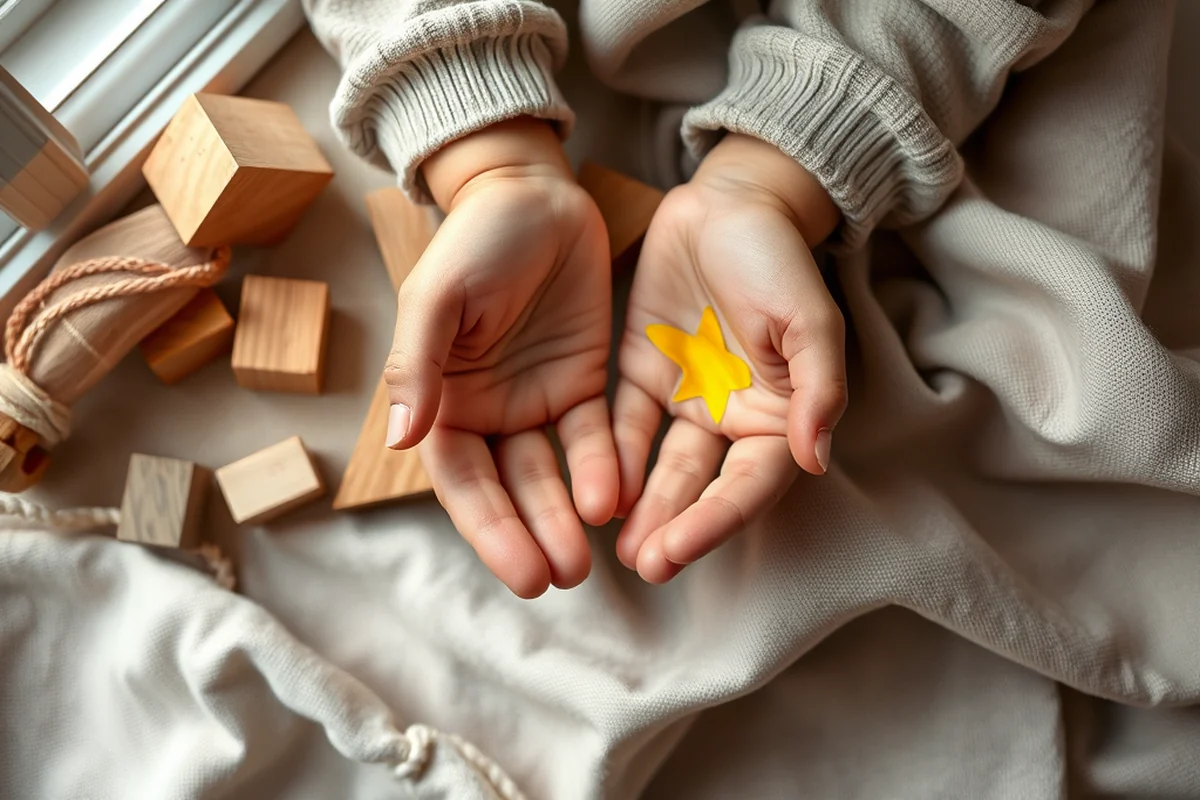
I’ve noticed that my children enjoy using edible paint because of the way it feels on their hands. It’s slightly firm but also smooth, which makes it a great sensory experience. My son, who is 18 months old, loves to press his fingers into the paint and then lift them up, watching the color spread out. This helps with his fine motor skills and hand-eye coordination.[1]
Edible paint also allows children to explore different textures and colors in a way that’s both safe and engaging. I’ve found that my daughter, who is 3 years old, enjoys mixing different colors together to see what happens. This not only helps with her creativity but also with her understanding of color theory and mixing.
Using edible paint also helps with sensory development in other ways. It allows children to explore the world around them in a tactile way — something that’s especially important for younger children who are still developing their sensory skills. I’ve found that edible paint is a great way to encourage exploration and curiosity in my children.
Related: What is the color of page
Edible Paint as a Fun Way to Teach Colors
One of the things I love about edible paint is that it’s a great way to teach children about colors. I’ve used it with my daughter to help her learn the names of different colors and how they can be mixed together. She loves mixing red and yellow to make orange, and she always gets excited when she sees the new color appear.
I’ve found that edible paint is especially effective for teaching younger children about colors. My son, who is 18 months old, enjoys simply looking at the colors and trying to name them. This helps with his vocabulary development and also with his understanding of color theory.[2]
Using edible paint also helps with teaching children about the properties of different colors. For example, I’ve found that my daughter enjoys experimenting with how different colors look when they’re mixed together. This helps with her creativity and also with her understanding of how colors work in the real world.
Related: Food safe paint
How Edible Paint Can Be Used for Different Ages
I’ve found that edible paint is a great activity for babies as young as 6 months old. At that age, they enjoy touching and tasting the paint, which helps with their sensory development. My son started using edible paint when he was 12 months old, and he loved the way it felt on his fingers.[3]
For toddlers between the ages of 18 months and 3 years, edible paint can be used to teach them about colors and shapes. I’ve found that my daughter, who is 2 years old, enjoys using edible paint to create simple shapes and patterns. This helps with her fine motor skills and also with her understanding of basic geometry.[4]
Older children can use edible paint to create more complex artwork and even to explore different textures. I’ve found that my 5-year-old enjoys using edible paint to create detailed drawings and even to experiment with different color combinations. This helps with her creativity and also with her understanding of art and design.
“Edible paint is like a magic potion for creativity — it’s safe, fun, and easy to clean up.”
Related: How to make edible paper
How to Make Edible Paint More Interactive
One way to make edible paint more interactive is to use it with different textures. For example, I’ve found that my daughter enjoys using edible paint with different types of paper, such as textured paper or cardstock. This helps her learn about different surfaces and how the paint interacts with them.
I’ve also found that using edible paint with different tools, such as brushes or sponges, can make the experience more interactive. My son loves using a sponge to paint with edible paint, and he enjoys the way the paint spreads across the surface. This helps with his fine motor skills and also with his understanding of texture and color.
Another way to make edible paint more interactive is to use it in combination with other sensory activities. For example, I’ve found that my daughter enjoys using edible paint with playdough or other tactile materials. This helps her explore different textures and also helps with her creativity and imagination.
🧸 Gentle Approach
A slow, sensory-focused method for very young children, emphasizing touch and texture over full artistic creation.
⚡ Fast-Track Method
A quick and efficient way to make edible paint using pre-made powders and colors for speed and convenience.
🧳 Travel/away-from-home
A portable version of edible paint that can be made on the go with minimal ingredients and storage.
👶 Multiples
A batch-making technique that allows you to create multiple colors at once, perfect for group activities or family use.
🔄 Regression Reset
A method for older children or those who may have lost interest, offering a fresh and innovative way to use edible paint.
| The mistake | Why it happens | The fix |
|---|---|---|
| Using too much water in the paint mixture | Too much water can make the paint too runny and difficult to use. It can also cause the paint to dry out faster and lose its pliability. | Add water in small amounts — one drop at a time — and stir until the paint reaches the desired consistency. |
How To Make Edible Paint
Common Questions
Can I use edible paint on fabric?
Is edible paint safe for babies?
How long can edible paint last?
Can I use edible paint with other art materials?
References
- (PDF) The Found Art of Paint Making A Comprehensive Guide to ... (academia.edu)
- The Farms: Art Retreat Class Descriptions (allerton.illinois.edu)
- Mary Virginia Langston – U.S. Department of State (art.state.gov)
- FULL | The Watercolor Feast with Erin Gleeson (botanicalgarden.berkeley.edu)
- Infant and Toddler Activity Pages: Gelatin Finger Painting (canr.msu.edu)
Cite this guide
Messysenses (2026). How To Make Edible Paint. https://messysenses.com/how-to-make-edible-paint/
Feel free to cite or share this guide.