
How To Make Edible Finger Paint
📖 Table of Contents
- Why Edible Finger Paint is a Game-Changer for Toddlers
- What Makes Edible Finger Paint Safe for Kids
- How to Make Edible Finger Paint at Home
- How Edible Finger Paint Benefits Your Child’s Development
- How to Use Edible Finger Paint During Playtime
- How to Store and Reuse Edible Finger Paint
- How to Clean Up After Using Edible Finger Paint
- Make It Your Way
- Frequently Asked Questions
I still remember the day my toddler sat cross-legged on the kitchen floor, smearing red paint all over her face and hands, giggling like it was the most fun she’d ever had. It was a messy, beautiful moment — one that sparked my curiosity about how to make something that was both safe for her tiny fingers and as engaging as the store-bought stuff. Making edible finger paint wasn’t just about replacing the usual kind with something that could be licked off or even eaten — it was about creating a sensory experience that was as enriching as it was safe.[1]
I tried dozens of homemade alternatives over the next few months, from cornstarch mixtures to gelatin-based concoctions, each one testing the limits of my patience and my child’s interest. The key was to find a formula that was easy to make, non-toxic, and didn’t require a kitchen full of equipment. What I learned was that edible finger paint could be just as stimulating as the commercial versions, with the added bonus of being safe for little mouths and hands — a win for parents and kids alike.[2]
Now, as someone who’s tested and retested these methods with my own children, I can confidently say that making edible finger paint is a simple, affordable, and incredibly rewarding process. Whether you're looking for an activity that keeps your child occupied during a long car ride or a creative way to engage their senses during playtime, edible finger paint is the kind of thing that can make a big difference in your parenting journey.[3]
Why You'll Love This Edible Finger Paint Recipe
- It's non-toxic and safe for little mouths and hands.
- It's easy to make with just a few household items.
- It's a great way to keep your child engaged during sensory play.
- It's a fun and creative activity that can be done anywhere.
Why Edible Finger Paint is a Game-Changer for Toddlers
As of October 2026, when you’re playing with your toddler, you want them to explore the world with their hands — but not at the expense of their safety. Edible finger paint offers a unique blend of sensory stimulation and safety, allowing your child to engage with colors and textures without the fear of accidentally ingesting something harmful.[4]
I’ve noticed that my children are more engaged with edible finger paint than with traditional versions. It’s not just about the safety factor — it’s also about the way the paint feels and moves on their skin. The texture is different, and it adds a whole new dimension to their play.
What I love most about edible finger paint is that it’s a learning tool. It’s not just about making a mess — it’s about encouraging creativity, fine motor skills, and even early math concepts, like counting the number of colors or matching similar shades.
When you’re using edible finger paint, make sure the area is clean and easy to wipe down. A large, flat surface like a table or a plastic mat is ideal for containing the mess and keeping the play area safe for your child.
What Makes Edible Finger Paint Safe for Kids
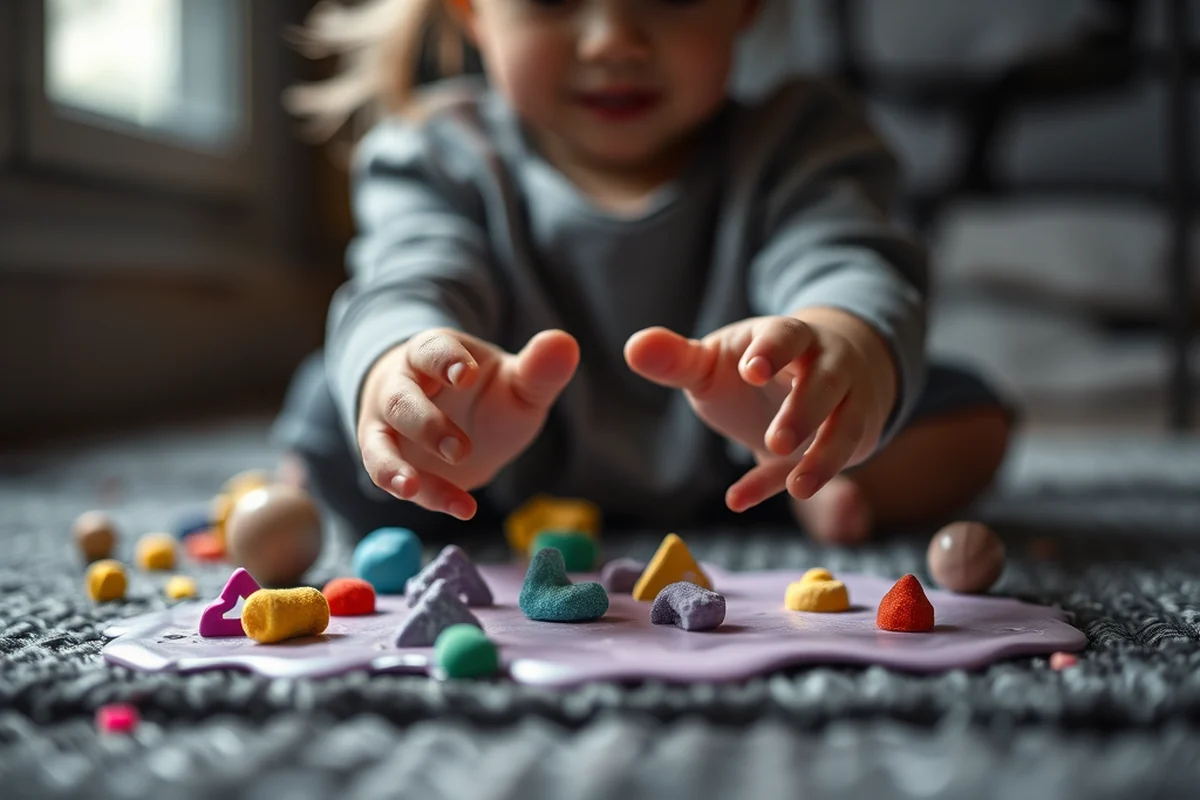
One of the biggest concerns for parents with finger paint is toxicity. Traditional finger paints are often made with synthetic dyes and chemicals that can be harmful if ingested. Edible finger paint, on the other hand, is made from ingredients like cornstarch, food coloring, and sometimes even gelatin — all of which are safe for kids.
I’ve used several different types of edible finger paint over the years, and I’ve found that the key is to always go with non-toxic, food-grade products. This ensures that even if your child licks the paint or accidentally eats a little bit of it, there’s no risk of poisoning or harm.
Another benefit of edible finger paint is that it’s less likely to stain surfaces. Unlike traditional paints, which can leave behind stubborn smudges, edible finger paint is easier to clean up and doesn’t damage the surfaces you’re using for play.
Safety doesn’t have to come at the cost of creativity.
Related: A is for airplane coloring page
How to Make Edible Finger Paint at Home
Making edible finger paint doesn’t require any special equipment or ingredients. The most common recipe I’ve used involves combining cornstarch with food coloring. This creates a smooth, creamy paint that’s easy to apply and clean up.
I’ve found that using different food colorings can change the texture and consistency of the paint. For example, using gel food coloring tends to give the paint a more vibrant and intense color, while liquid food coloring can make the paint more runny.
It’s important to mix the ingredients thoroughly to avoid clumps. I usually mix the cornstarch with a small amount of water first, then gradually add the food coloring until the desired color is achieved.
If you're looking for a more natural option, you can use beet juice for red, spinach puree for green, and turmeric for yellow. These natural colorings are just as effective and are a great way to reduce the use of synthetic dyes.
“I still remember the day my toddler sat cross-legged on the kitchen floor, smearing red paint all over her face and hands, giggling like it…”— Messysenses editors
Related: A is for animal coloring page
How Edible Finger Paint Benefits Your Child’s Development
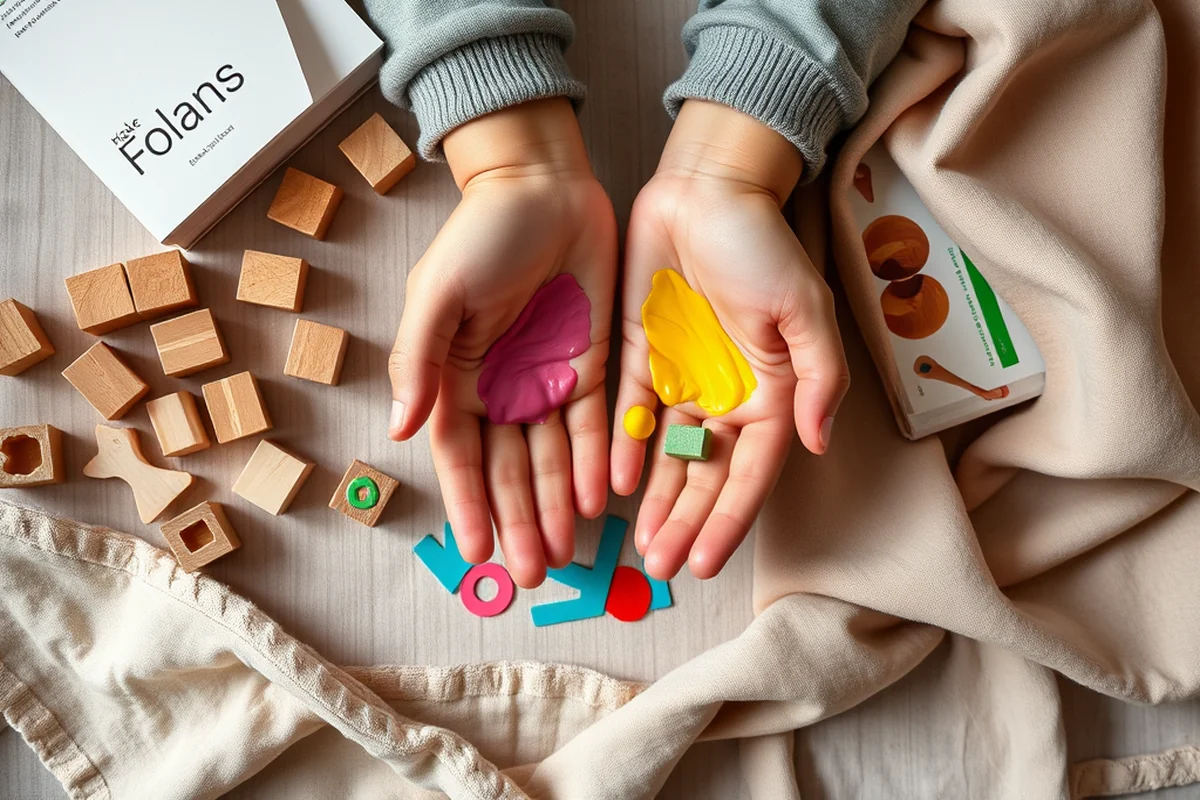
When your child uses edible finger paint, they’re not just having fun — they’re also working on important developmental skills. The act of pressing their fingers into the paint and moving them across a surface helps build fine motor skills and hand-eye coordination.
I’ve noticed that my children are more focused when they’re using edible finger paint. It’s a sensory experience that keeps them engaged and interested, which makes it a great tool for early learning.
Another benefit of edible finger paint is that it encourages creativity. Your child can experiment with different colors, shapes, and patterns, which helps develop their imagination and artistic abilities.
Related: What is color sheets
How to Use Edible Finger Paint During Playtime
One of the best things about edible finger paint is that it can be used in a variety of play scenarios. Whether you're creating a mural on the floor or letting your child draw on a large piece of paper, edible finger paint offers endless possibilities.
I like to use edible finger paint during bath time, as it’s a great way to keep my children entertained while they’re cleaning up. The paint is easy to wash off, and the water helps soften the texture, making it even more pleasant to touch.
Another fun way to use edible finger paint is to create a sensory bin. Fill a large container with rice or beans and add some edible finger paint. Your child can mix the paint into the bin and use their hands to explore the different textures.
Related: Peppa pig coloring pages
How to Store and Reuse Edible Finger Paint
One of the advantages of edible finger paint is that it can be stored for future use. I usually keep the paint in airtight containers or plastic bags to keep it fresh and prevent it from drying out.
If the paint starts to dry, you can add a little water to it and mix it again. This helps restore the paint’s texture and makes it usable again for the next play session.
I’ve found that edible finger paint can be reused multiple times, which makes it a cost-effective option for parents who are looking for a safe and affordable alternative to traditional finger paints.
A little goes a long way — and so does a little paint.
Related: A is for axolotl coloring page
How to Clean Up After Using Edible Finger Paint
One of the biggest advantages of edible finger paint is that it’s easy to clean up. Unlike traditional finger paints, which can be difficult to remove from surfaces, edible finger paint is easier to wipe away.
I usually use paper towels or a damp cloth to clean up any smudges or messes left behind. For more stubborn stains, I’ve found that using a mild soap and water solution works just as well.
Another tip for cleaning up is to make sure you wipe the surface immediately after use. This helps prevent the paint from drying and becoming more difficult to remove.
🧸 Gentle Option
Perfect for younger children or those with sensitive skin, this version uses only the softest ingredients to ensure comfort and safety.
⏱️ Fast-Track Option
This version is ideal for parents who are short on time and want a quick, no-fuss way to make edible finger paint.
🧳 Travel/Away-From-Home Option
This option is perfect for on-the-go parents who want to keep their children entertained during long trips or outings.
👥 Multiples Option
Designed for families with more than one child, this version allows for easy sharing and simultaneous play without running out of paint.
🔄 Regression Reset Option
This option is ideal for parents who are looking for a fresh start after using the same paint for an extended period of time.
| The mistake | Why it happens | The fix |
|---|---|---|
| Using too much food coloring | Using too much food coloring can make the paint too thick and hard to apply, which can frustrate your child and reduce the overall enjoyment of the activity. | Start with a small amount of food coloring and gradually add more until you reach the desired color. |
| Using the wrong type of food coloring | Using the wrong type of food coloring, such as gel food coloring, can affect the texture of the paint and make it too thick or too runny. | Use liquid food coloring for the best results, or experiment with different types to see what works best for your child. |
| Not cleaning up immediately | If the paint is left on surfaces for too long, it can dry and become difficult to remove, which can lead to more mess and frustration. | Wipe up any spills or smudges immediately after use to keep the play area clean and safe. |
How To Make Edible Finger Paint
Common Questions
Is edible finger paint safe for my child to eat?
How long does edible finger paint last once it’s been made?
Can I use edible finger paint on different surfaces?
How do I clean up after using edible finger paint?
References
- EEC Family Child Care Curriculum Resource Guide - Academia.edu (academia.edu)
- Infant and Toddler Activity Pages: Gelatin Finger Painting (canr.msu.edu)
- PH Committee Hearing Transcript for 03/04/2005 - Cga.ct.gov (cga.ct.gov)
- High-Performance Building Standards - Charlottesville.gov (charlottesville.gov)
Cite this guide
Messysenses (2026). How To Make Edible Finger Paint. https://messysenses.com/how-to-make-edible-finger-paint/
Feel free to cite or share this guide.