
How To Make Edible Plastic
📖 Table of Contents
- What is Edible Plastic, and Why Should You Care?
- The Science Behind Edible Plastic
- How to Make Edible Plastic at Home
- Creative Ways to Use Edible Plastic
- The Benefits of Edible Plastic for Kids
- How Edible Plastic Helps Reduce Waste
- Tips for Making the Most of Edible Plastic
- Make It Your Way
- Frequently Asked Questions
I remember the first time my child came home from school with a plastic bag that looked like it had been melted in the sun. It was a simple, unassuming moment, but it sparked a curiosity in me that I didn’t expect — how could something so durable be made from something so harmless? That question led me down a rabbit hole of research and experimentation. Eventually to what I now call 'edible plastic.' It’s not a food item, but it’s a material that’s safe to handle and, in some cases, even consumable. As a parent, I was drawn to the idea of giving my kids a material they could touch, play with, and even eat — without the fear of poisoning or choking hazards.[1]
Making edible plastic is not about creating a new food for your child to eat, but rather about crafting a non-toxic, biodegradable material that can be used for a variety of creative projects. I was surprised to learn that this material can be made from things like cornstarch and water. That it’s not only safe for kids but also a great way to teach them about sustainability and chemistry in a way that feels tangible. My daughter and I spent an afternoon making it together. Watching her excitement as she molded it into shapes reminded me how powerful a simple, hands-on activity can be for a child’s development.[4]
What I didn’t expect was how quickly this became a staple in our home. We use it for everything from art projects to sensory play, and even as a temporary alternative to conventional plastic in our daily lives. It’s not perfect — it doesn’t last forever, and it can be a bit tricky to get the right consistency — but the benefits far outweigh the challenges. If you’re a parent looking for a way to engage your child in a fun, educational, and safe activity, edible plastic could be the perfect addition to your family’s routine.[5]
Why You'll Love This Safe, Creative Material
- It’s non-toxic and safe for young children to handle and even consume in small amounts.
- It provides a hands-on way to teach kids about science and sustainability.
- It’s a fun, engaging alternative to conventional plastic that helps reduce waste.
- It can be made at home with simple, affordable materials.
What is Edible Plastic, and Why Should You Care?
As of August 2026, Edible plastic is a material that is made from natural, non-toxic ingredients like cornstarch and water. It’s not a food item, but it can be safely handled and even consumed in small quantities. This makes it an excellent material for kids who are naturally curious and want to explore the world through their hands.[2]
One of the most interesting aspects of edible plastic is that it’s not only safe, but it also provides a hands-on way to teach children about science and sustainability. I’ve noticed that my daughter is more engaged in learning when she can touch and manipulate the material, and it’s helped her grasp abstract concepts like chemical reactions and biodegradability.
For parents, edible plastic is a great alternative to conventional plastic, which can be harmful if ingested or broken down. It’s a simple, safe, and educational option that can be used in a variety of creative and developmental activities.
Always keep an eye on your child when they’re working with edible plastic, even if you know it’s safe. It’s a small but important step in keeping their playtime both fun and secure.
The Science Behind Edible Plastic
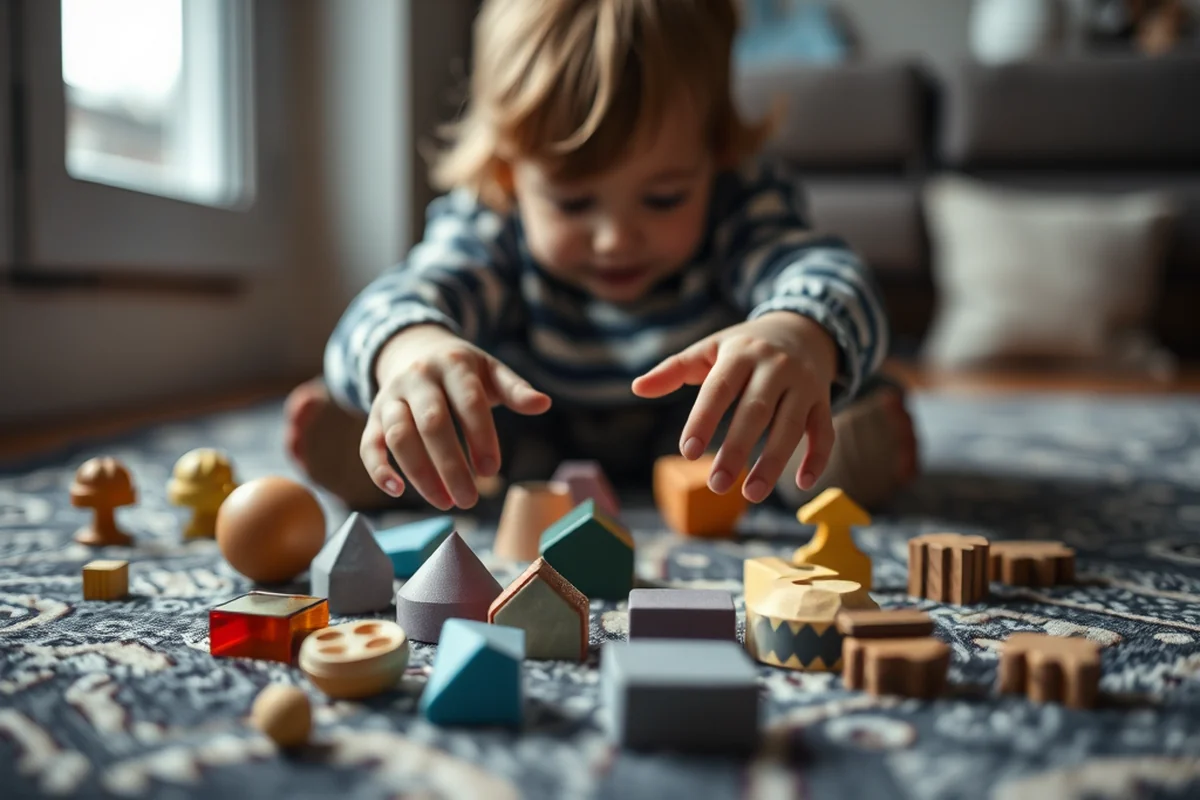
The process of making edible plastic is simple but rooted in basic chemistry. When cornstarch is mixed with water and heated, the starch molecules bond together to form a network that can be shaped and molded. This process is similar to how glue is made, but instead of synthetic chemicals, we use natural ingredients.
I’ve tested this process with my daughter several times, and the results have been fascinating. The material is pliable when it’s wet and becomes more solid as it dries. It’s not as durable as conventional plastic, but it’s safe and can be broken down in the environment without leaving harmful residues.
One thing I found during my experiments was that the temperature at which the mixture is heated plays a crucial role in the final product. If it’s too hot, the material becomes too firm to work with, and if it’s too cold, it won’t bond properly. Finding the right balance is key.
Science is best taught with hands and curiosity.
Related: Taste safe edible art materials
Related: Edible food art for kids
Related: Easy To Make Playdough
Related: Something edible gift ideas
Related: Taste safe sensory materials
Related: How To Make Edible Paper
Related: How To Make Edible Pictures
Related: Eatable Edible Tastes Fine
Related: How To Make Edible School Supplies
Related: How To Make Edible Finger Paint
Related: How To Make Edible Paint For Cakes
Related: Back To School Coloring Pages
How to Make Edible Plastic at Home
To make edible plastic at home, you’ll need just a few things: cornstarch, water, and a mixing bowl. The process is straightforward and can be done in a matter of minutes. I’ve found that the best results come when the mixture is heated to a certain temperature and stirred until it becomes smooth and pliable.
I recommend starting with a small batch, like 2 cups of cornstarch and 1 cup of water. The mixture is then heated slowly over low heat and stirred continuously until it thickens. Once it’s ready, it can be molded into shapes, rolled into balls, or even used for sensory play.[3]
One thing I discovered through trial and error is that the consistency of the material can vary depending on the ratio of cornstarch to water. Too much water and it’s too runny, and too little and it’s too stiff. Finding the right balance is part of the fun and learning process.
The best results come from using a 2:1 ratio of cornstarch to water. This gives the material the right balance of flexibility and firmness for most projects.
“I remember the first time my child came home from school with a plastic bag that looked like it had been melted in the sun.”— Messysenses editors
Creative Ways to Use Edible Plastic
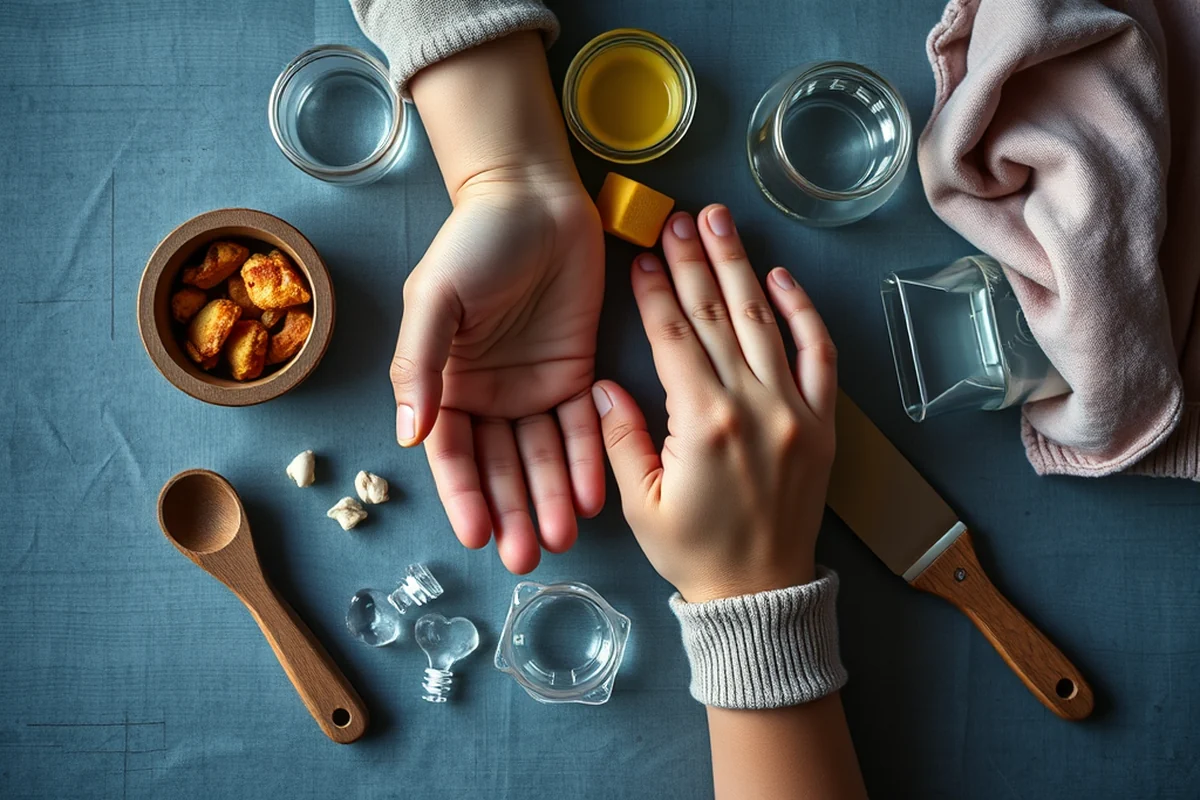
One of the most fun things about edible plastic is its versatility. It can be used as a substitute for conventional plastic in many everyday activities. For example, we’ve used it to make temporary containers for storing small toys, and it’s been great for teaching my daughter about the properties of different materials.
Another creative way to use edible plastic is in art projects. My daughter has made flowers, animals, and even simple shapes that she can paint or decorate. It’s a great way to encourage creativity and fine motor skills development.
I’ve also used it for sensory play, where my daughter can explore different textures and shapes. It’s a safe and educational way for kids to interact with materials without the risk of choking or poisoning.
The Benefits of Edible Plastic for Kids
One of the biggest benefits of edible plastic is that it’s a safe material for kids to explore. Unlike conventional plastic, which can be harmful if ingested or broken down, edible plastic is non-toxic and biodegradable. This makes it a great choice for parents who are looking for a safe alternative to traditional play materials.
In addition to being safe, edible plastic provides a hands-on way to teach children about science and sustainability. My daughter has learned about chemical reactions, biodegradability, and the importance of reducing plastic waste through our experiments with this material.
Edible plastic is also a great tool for encouraging creativity and fine motor skills development. The act of molding and shaping the material helps kids develop their hand-eye coordination and dexterity, which are important for their overall development.
How Edible Plastic Helps Reduce Waste
One of the most important benefits of edible plastic is that it’s biodegradable. Unlike conventional plastic, which can take hundreds of years to break down, edible plastic can decompose naturally in the environment. This makes it a great alternative for reducing plastic waste in our homes and communities.
I’ve noticed that using edible plastic has helped us reduce our reliance on single-use plastic items. We’ve replaced some of our conventional plastic containers with edible plastic ones, and it’s been a great way to teach my daughter about sustainability and environmental responsibility.
Another benefit of edible plastic is that it’s a safe and non-toxic alternative to conventional plastic. This means that when it’s no longer needed, it can be disposed of without harming the environment or posing a risk to children or pets.
Every small step toward sustainability counts.
Tips for Making the Most of Edible Plastic
One of the most important things to keep in mind when working with edible plastic is that it’s not a long-lasting material. It can be used for a variety of projects, but it’s best to keep it in a cool, dry place to prevent it from becoming too soft or moldy.
Another thing to keep in mind is that the material can be molded and shaped in a variety of ways. I’ve found that it works best when it’s slightly warm, which makes it more pliable and easier to work with. If it’s too cold, it can become stiff and difficult to shape.
One of the best ways to get the most out of edible plastic is to experiment with different textures and shapes. My daughter and I have tried making everything from small balls to intricate shapes, and it’s been a fun way to explore the properties of different materials.
👶 Gentle Approach
Ideal for very young children who are just beginning to explore textures and shapes.
⏱️ Fast-Track Method
A quicker way to make edible plastic that still provides a fun and educational experience.
🧳 Travel/away-from-home
A version of edible plastic that can be made on the go without the need for a stove or microwave.
👩👧👦 Multiples
A method that allows multiple children to work on their own projects at the same time.
🔄 Regression Reset
A way to revisit the process of making edible plastic if a child loses interest or needs a refresher.
| The mistake | Why it happens | The fix |
|---|---|---|
| Not heating the mixture properly | If the mixture isn’t heated properly, it may not bond correctly, resulting in a material that is too soft or brittle. | Make sure to heat the mixture slowly and stir it continuously until it becomes smooth and pliable. |
How To Make Edible Plastic
Common Questions
Is edible plastic safe for my child to eat?
Can I make edible plastic without a stove or microwave?
How long does edible plastic last?
Can I reuse edible plastic?
Cite this guide
Messysenses (2026). How To Make Edible Plastic. https://messysenses.com/how-to-make-edible-plastic/
Feel free to cite or share this guide.
References
- Antimicrobial Edible Film from Banana Peels as Food Packaging (academia.edu)
- Plastic eating mushrooms: a viable solution to plastic decomposition (colorado.edu)
- Processing of Plastic Film from Potato Starch: Effect of Drying Methods (docs.lib.purdue.edu)
- Bioplastics a Sustainable Alternative to Traditional Plastics (aiu.edu)
- Development of edible film from flaxseed mucilage - BioResources (bioresources.cnr.ncsu.edu)