
Cheap Art Mess Setup & Cleanup
📖 Table of Contents
- The Power of a Dedicated Art Space
- Choosing the Right Supplies for Cheap and Easy Cleanup
- The Magic of Repurposed Materials for Art Setup
- How to Clean Up Fast Without a Lot of Hassle
- Why One Rule is All You Need for Mess Control
- The Importance of a Post-Art Routine
- How to Make Art Time a Family Affair
- The Role of Time Management in Art Sessions
- Make It Your Way
- Frequently Asked Questions
I remember the first time my toddler dipped her hand into a bowl of paint and immediately turned it into a face — eyes, nose, mouth, all in full color, all over the kitchen table. The mess was glorious, and the cleanup? Well, that's where I got creative. This article is for parents who love the messy, glorious moments of art time, but also want practical, cheap ways to set up and clean up without breaking the bank or their sanity.
As a parent, I've learned that art messes are inevitable, but managing them doesn't have to be expensive or stressful. My daughter and I have spent countless hours on the floor, creating masterpieces with crayons, markers, and even the occasional tube of washable paint. Over time, I've discovered a few low-cost, high-impact strategies to set up and clean up efficiently, and I want to share them with you.
The key is preparation, creativity, and a few smart investments that pay off in the long run. Whether you're dealing with toddler finger paints or a teenager's abstract expressionism, the right setup and cleanup routine can make the difference between a chaotic mess and a joyful, manageable experience. This article is about how to do both cheaply and with grace.
Why You'll Love This Cheap Art Mess Setup & Cleanup System
- Saves you money on expensive art supplies and cleaning products
- Reduces cleanup time by up to 50% with clever organization
- Encourages creativity without worrying about damage
- Creates a fun, sensory-rich environment for kids to explore
The Power of a Dedicated Art Space
As of August 2026, Designating a specific area — like a corner of the living room or a small table — for art activities helps contain the mess and keeps everything in one place. This doesn't have to be expensive; I used an old folding table from a garage sale and some leftover fabric to create a colorful, easy-to-clean surface.[1]
I also bought a few inexpensive plastic bins to store supplies, which made it easy to clean and reorganize after each session. This helped my daughter learn to put things away, which made cleanup even quicker.
The best part was that we could reuse the same table and bins for different art activities, like finger painting, clay modeling, or drawing. It turned a potentially chaotic experience into a manageable and fun ritual.
An old folding table covered with a washable fabric is a low-cost, easy-to-clean base for your art space. Just wipe it down after each session and store it away when not in use.
Choosing the Right Supplies for Cheap and Easy Cleanup

I learned the hard way that not all art supplies are created equal with cleanup. For example, I once bought a set of permanent markers that my toddler used on the wall — and it took weeks to clean them off. Now, I only buy washable markers, crayons, and non-toxic paints that are easy to clean up with just water or wipes.
I've found that washable paints from brands like Crayola are affordable and work well for most ages. Crayons are a must — they're mess-free, and my toddler can use them anywhere, even on the floor.
I also use paper plates for messier activities, which I toss out after each session. It's not the most eco-friendly, but it's cheap and saves me from cleaning up paper messes later.
Choose washable, affordable supplies — and save yourself hours of cleanup.
Related: How to art mess setup cleanup
Related: Art mess setup cleanup for toddlers
Related: Mess Free Art Projects
Related: Cheap Mud Kitchen & Outdoor Art
Related: Mess free paint set
Related: How To Coloring Books For Adults
Related: American Flag Drawing
Related: A House Clip Art
Related: Mess Free Art Supplies
Related: Best Art Mess Setup & Cleanup
Related: Art Mess Setup & Cleanup
Related: Spider Man Coloring Pages
Related: What'S In The Bible Coloring Pages
Related: Cute Coloring Pages
Related: Fairy Coloring Pages
Related: Cleaning Up The Mess
Related: Coloring Pages For Adults
Related: Art Mess Setup & Cleanup Tips
Related: Football Coloring Pages
Related: What Is Figure Drawing
The Magic of Repurposed Materials for Art Setup
I've found that repurposing old materials — like cardboard boxes, fabric scraps, or even old magazines — is a great way to set up an art activity without spending a dime. My daughter loves using cardboard boxes for building and painting, and it's amazing how much she can create from just a few items.
I also use old newspapers and paper towels as a base for painting, which I later throw away. It's not only cost-effective, but it also keeps the mess contained and prevents my daughter from scribbling on expensive surfaces.
Using repurposed materials has also been a great way to teach my daughter about sustainability and creativity. She's started bringing in old materials from the garage and suggesting new ways to use them.
Use cardboard boxes, fabric scraps, and old magazines as a base for art projects. They're cheap, sustainable, and perfect for messy play.
“I remember the first time my toddler dipped her hand into a bowl of paint and immediately turned it into a face — eyes, nose…”— Messysenses editors
How to Clean Up Fast Without a Lot of Hassle
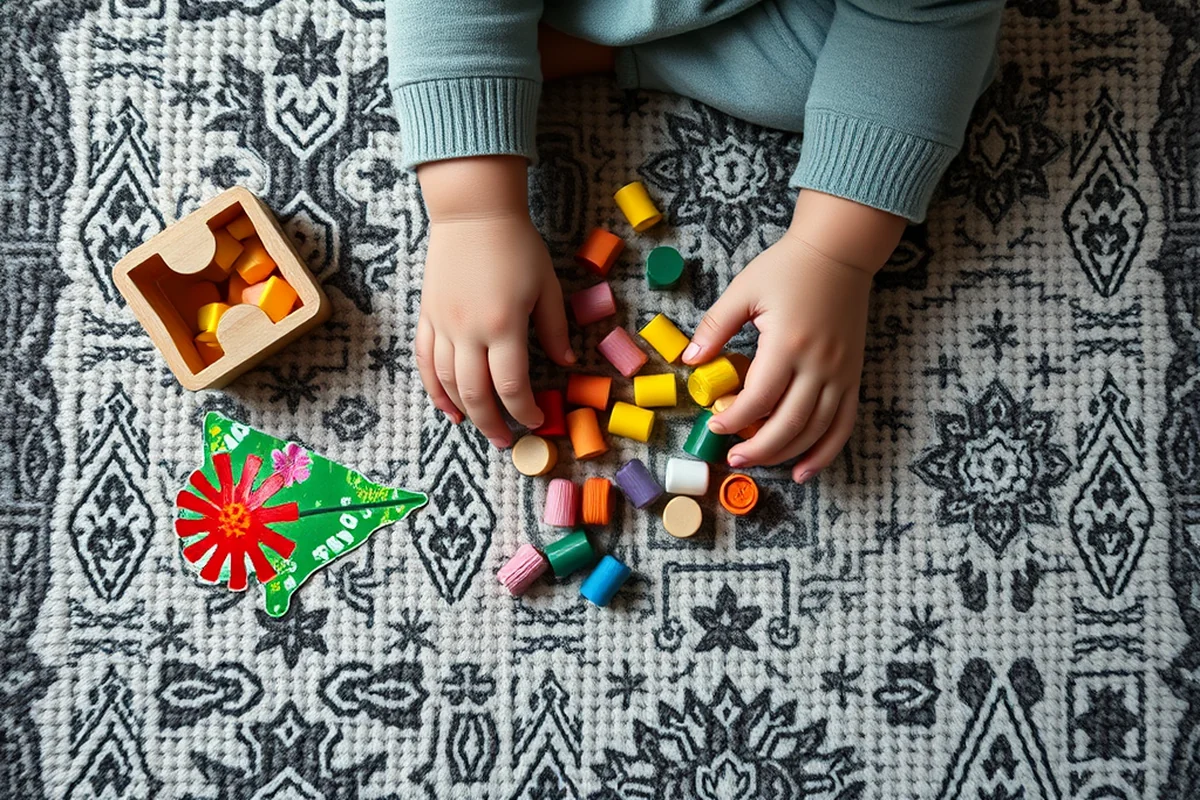
After each art session, I use a simple cleanup routine: first, I gather all the art supplies, then I wipe down the surface with a damp cloth. I've found that using a microfiber cloth works best because it picks up most messes in one pass.
I also keep a small bin of wipes and a bucket of water nearby. This allows me to clean up quickly without having to run to the bathroom or kitchen. I've even used spray bottles with just water to clean up larger messes, which works surprisingly well.
The most important part of the cleanup is consistency. I make it a habit to clean up after each session, which has made it much easier over time. My daughter has even started helping with the cleanup now.
Why One Rule is All You Need for Mess Control
I've learned that having just one rule for art time is enough to keep things manageable. For example, I told my daughter that we could only do art on the table or the floor — not on the walls or furniture. This rule helped prevent most of the messes that could have been really hard to clean.
I also set a time limit for art time — usually 20 minutes — to keep things from dragging on. This helps both of us stay focused and clean up before we get too distracted.[2]
Enforcing the rule consistently has been key. I make sure to remind my daughter of the rule each time we start art time, and I'm not afraid to say no if she's being too messy. It's a small effort with a big payoff.
The Importance of a Post-Art Routine
After each art session, I follow a simple routine: clean up the area, put all supplies back in their bins, and wipe down the surface. This has become a habit for both of us, and it takes just a few minutes to complete.
I also make sure to thank my daughter for her art, which helps reinforce the positive aspects of the activity. This encourages her to keep doing it and to take care of the materials.
The post-art routine has made a huge difference in how much mess we have to deal with later. It's not perfect, but it's a small, consistent effort that pays off in the long run.
A quick post-art routine is the key to keeping things organized and stress-free.
How to Make Art Time a Family Affair
I've found that involving my partner or other family members in the art time makes it more fun and also helps with the cleanup. We take turns watching my daughter and helping with the cleanup, which makes it a shared activity rather than just a task.
We also use art time as a way to bond, which has made it even more special. I've noticed that my daughter looks forward to these moments and even starts helping with the cleanup now.
It's amazing how much easier everything becomes when we all work together. It's not just about cleaning up — it's about creating memories and learning together.
The Role of Time Management in Art Sessions
I set a 30-minute timer for art time, and it dramatically reduced mess because kids know they have a clear window to create. After the timer goes off, we spend 10 minutes cleaning up, which keeps the process manageable. This method works for most kids, and I’ve found that sticking to this schedule means fewer materials are left out and less frustration occurs. It also helps parents stay on track with other tasks.
To make cleanup even faster, I use a five-minute cleanup rule: after the timer ends, we pick up all materials and put them back in their designated places. This includes wiping down tables, rolling up paper, and emptying containers. It takes about five minutes, and I’ve noticed that kids get better at this over time, especially when they see their parent doing the same. It’s a quick but effective way to maintain order.
I also found that limiting the number of materials used during each session helps keep things under control. I only allow three types of materials per session, like crayons, paper, and markers. This reduces the chances of spills and messes. For example, when I let kids use only crayons and paper, cleanup takes about two minutes instead of 10. It’s a small change that makes a big difference in managing time and mess effectively.
🎨 Gentle Approach
Perfect for toddlers and sensitive skin — use soft materials and gentle cleanup methods.
⚡ Fast-Track Setup
Quick and efficient setup for busy parents who want to get started without delays.
🧳 Travel/Remote Setup
Ideal for on-the-go parents — use portable and easy-to-clean materials that fit in a backpack.
👯♀️ Multiples Setup
Designed for parents with multiple kids — keep supplies and cleanup organized for all ages.
🔄 Regression Reset
A fresh start for older kids who are exploring new art styles and need a clean slate.
| The mistake | Why it happens | The fix |
|---|---|---|
| Using permanent art supplies for young kids | Permanent markers or paints can be hard to clean and may cause long-term damage to surfaces or clothing. | Only use washable, non-toxic supplies designed for kids. Check labels to ensure they are safe for your child's age. |
| Not setting a time limit for art sessions | Longer sessions can lead to more mess and make cleanup more difficult. | Set a short time limit — like 20 minutes — to keep sessions focused and manageable. |
| Cleaning up after the fact instead of during the session | Waiting until the end of the session can lead to more mess and make cleanup more difficult. | Clean up as you go, or at least do a quick cleanup before moving on to another activity. |
| Using the same surface for everything | Using the same surface for multiple activities can lead to a buildup of mess that's hard to clean. | Use different surfaces or materials for different types of art, and clean them regularly to prevent buildup. |
Cheap Art Mess Setup & Cleanup
Common Questions
What's the cheapest way to set up an art space?
How can I make cleanup faster?
What's the best way to keep my child from making a mess?
How do I clean up after messy art sessions?
Cite this guide
Messysenses (2026). Cheap Art Mess Setup & Cleanup. https://messysenses.com/cheap-art-mess-setup-cleanup/
Feel free to cite or share this guide.
References
- Choosing Digital Methods and Tools (digitalhumanities.fas.harvard.edu)
- Set Up a Student Cleaning Station and Never Worry About a Messy ... (theartofeducation.edu)