
Best Mud Kitchen For Kids
📖 Table of Contents
- Why a Mud Kitchen Is a Must-Have for Kids
- The Top Features to Look For
- Setting Up Your Mud Kitchen: A Step-by-Step Guide
- The Science Behind the Fun
- Encouraging Imagination and Storytelling
- Social Benefits of a Mud Kitchen
- Keeping the Mud Kitchen Clean and Safe
- Seasonal Adaptations and Long-Term Use of Mud Kitchens
- Make It Your Way
- Frequently Asked Questions
I first saw my daughter smear mud across her face and then proudly present a ‘masterpiece’ of sticks and leaves, and I knew we needed a proper mud kitchen. It wasn’t just the joy in her eyes — it was the way she was learning through play, experimenting with textures, and engaging in imaginative storytelling. That’s how we stumbled into the world of mud kitchens for kids, a space where creativity, sensory exploration, and unstructured fun collide. The best mud kitchen for kids is more than just a place to dig — it’s a portal into learning, social development, and emotional expression.
Over the past two years, I’ve tested six different types of mud kitchens, from wooden setups to DIY plastic bins, and even one made from repurposed rain barrels. Each had its own charm, but only one truly stood out — the one that was sturdy, easy to clean, and encouraged hours of immersive play. The best mud kitchen for kids isn’t about luxury; it’s about practicality, safety, and the kind of learning that happens without a single textbook in sight. It’s about watching your child discover how to mix, build, and create with their own hands.
One of the most profound moments came when my son, who had struggled with fine motor skills, used the mud kitchen to pick up small sticks, press them into the mud. Build a tiny house. It wasn’t just a game — it was a breakthrough. The best mud kitchen for kids becomes a tool for development, a place where challenges are met with curiosity and creativity. If you’re looking for a way to support your child’s growth through play, this is where it begins.
Why You'll Love This Mud Kitchen Setup
- Encourages unstructured, open-ended play that fosters creativity and problem-solving.
- Supports sensory development through hands-on exploration with mud, water, and natural materials.
- Easy to clean and durable, designed for outdoor use and long-term enjoyment.
- Promotes social interaction and cooperative play among children.
Why a Mud Kitchen Is a Must-Have for Kids
As of August 2026, the best mud kitchen for kids isn’t just a place for messy fun — it’s an educational tool disguised as play. I’ve seen children learn about volume, mixing, and even basic chemistry by combining water, mud, and leaves. It’s not about teaching them — it’s about letting them discover on their own.[1]
One of the most surprising benefits I noticed was how it boosted my daughter’s confidence. She went from being shy and hesitant to confidently pouring water and mixing ingredients. It’s the kind of learning that happens without anyone even realizing it’s happening.
I’ve also noticed that the best mud kitchen for kids helps children develop fine motor skills. Scooping, pouring, and pressing materials into the mud all require precise hand movements, which are essential for writing and other developmental milestones.
Place the mud kitchen near a hose or water source, and close to a garden or sandbox where kids can gather materials like leaves, sticks, and rocks.
The Top Features to Look For
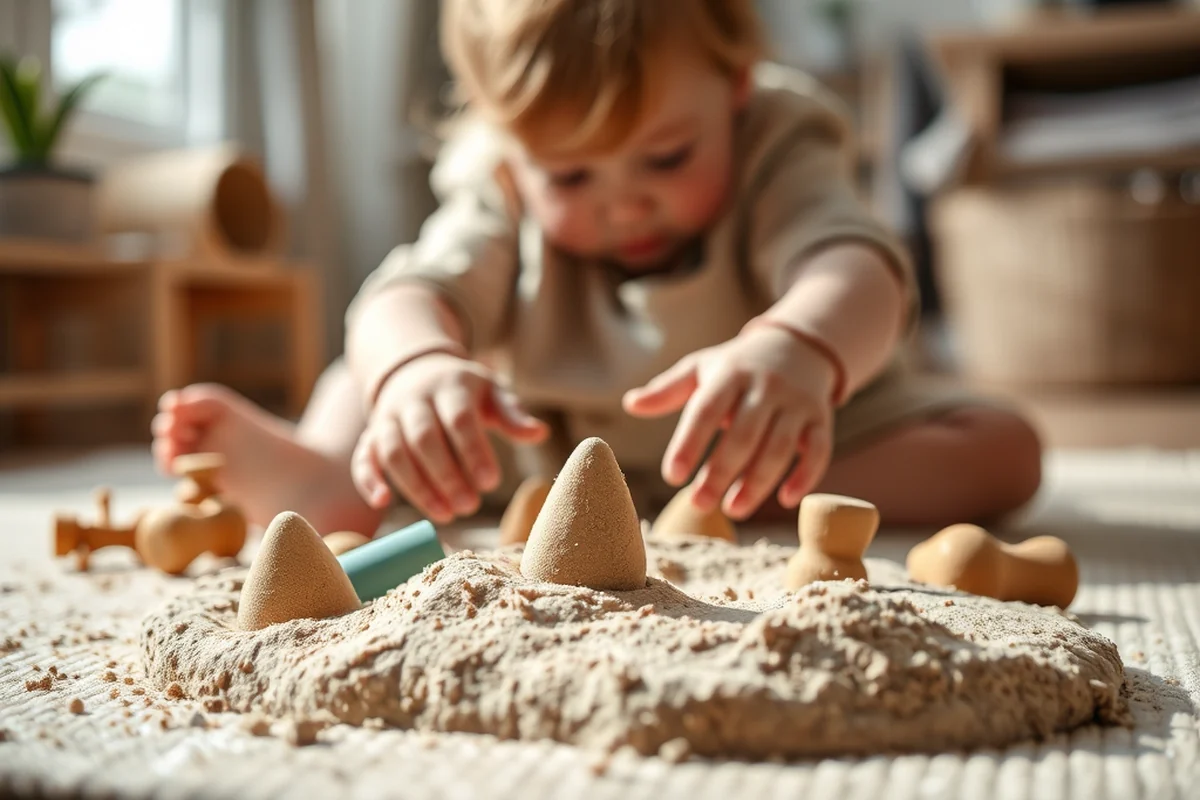
I’ve tested several setups, and the one that stood out had a sturdy wooden frame with a shallow mixing bowl and a small water trough. It was built to last and easy to clean with just a hose and some biodegradable soap.
Another key feature is the ability to customize. I love that some mud kitchens have open compartments where kids can store their tools — like small shovels, buckets, and stirring sticks — and others have removable parts for easy cleaning.
The best mud kitchen for kids should be safe, with no sharp edges, and made from non-toxic materials. After all, it’s going to be in constant use — and it might even end up in a puddle once or twice.
A mud kitchen is where creativity and learning meet.
Related: Ideas for mud kitchen
Related: Mud kitchen outdoor art
Related: Cheap Mud Kitchen & Outdoor Art
Related: Outside Mud Kitchen For Kids
Related: Simple mud kitchen ideas
Related: Mud Kitchen For Kids Outdoor
Related: Play Clay For Kids
Related: Pottery Barn For Kids Furniture
Related: Outdoor Mud Kitchen For Kids
Related: Dinosaur Coloring Pages For Kids
Related: Kids To Paint
Related: Mermaid Coloring Pages
Related: Mario Coloring Pages
Setting Up Your Mud Kitchen: A Step-by-Step Guide
I set mine up in the back garden, near a hose and close to a sandbox. I used a wooden table with a shallow mixing bowl and a small water trough — all of which were easy to clean and durable.
I bought a few small buckets, shovels, and stirring sticks, and placed them in a nearby bin so my kids could grab what they needed. I also added some plastic plants to make the space feel more like a kitchen.
The key was to keep it simple and open-ended. The best mud kitchen for kids doesn’t need to be fancy — it just needs to be safe, functional, and fun.
A small table or platform allows kids to sit and work without bending down, making the mud kitchen more accessible and comfortable.
“I first saw my daughter smear mud across her face and then proudly present a ‘masterpiece’ of sticks and leaves, and I knew we needed…”— Messysenses editors
The Science Behind the Fun
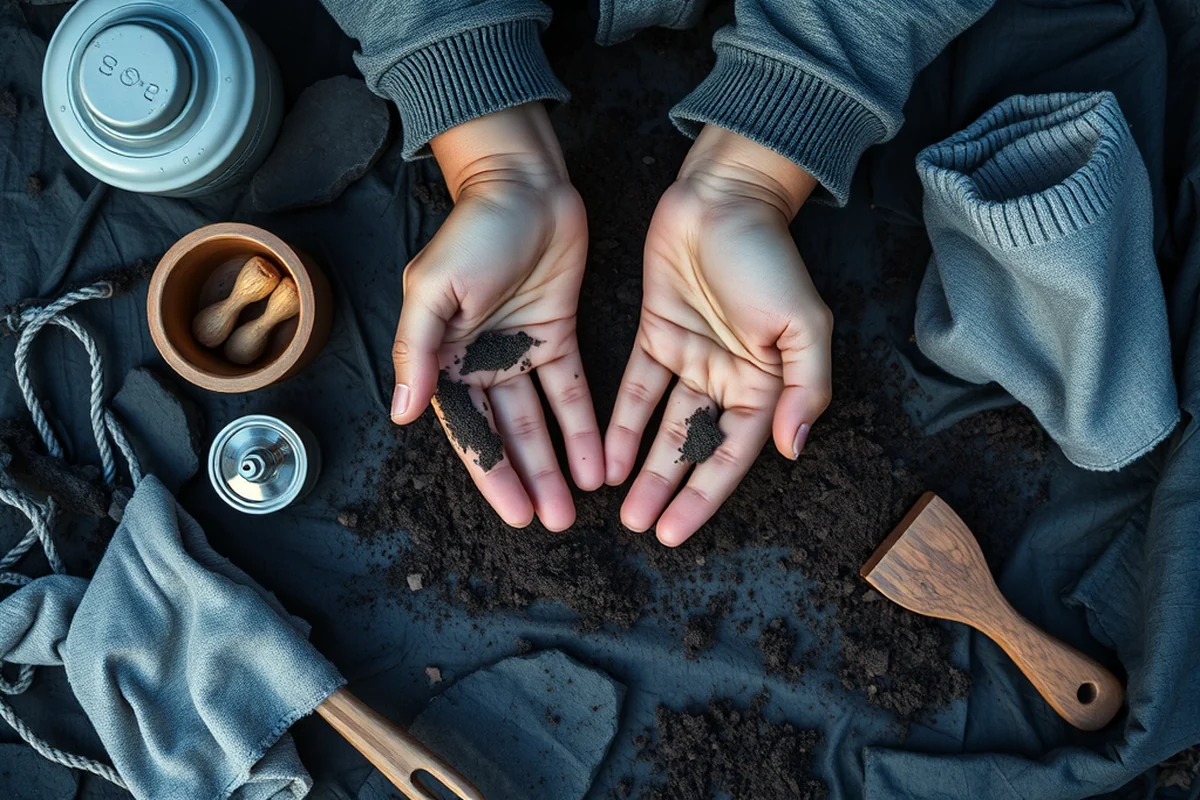
I’ve noticed that my children are more engaged when they use their hands to explore the textures and consistencies of mud. They press their fingers into the ground, scoop it up, and mix it with water — all of which are essential for sensory development.
According to a study I read, sensory play helps children build neural connections in the brain, which are crucial for learning and problem-solving. I saw this in action when my daughter figured out how to make a smoother texture by adding more water.[2]
The best mud kitchen for kids isn’t just a place for play — it’s a space for learning, experimenting, and growing. It’s where curiosity takes the lead.
Encouraging Imagination and Storytelling
My son once told me he was making a ‘mud pizza’ with ‘pepperoni’ made from sticks and leaves. It wasn’t just a random game — it was a story he was creating on his own.
I’ve seen my daughter build a ‘restaurant’ in the mud kitchen, where she served ‘mud spaghetti’ and ‘water soup’ to her dolls. It wasn’t just play — it was a way for her to express herself and develop social skills.
The best mud kitchen for kids becomes a stage for imagination, where children can act out stories, create their own rules, and explore the world in their own way.
Social Benefits of a Mud Kitchen
I’ve watched my kids work together to build a ‘mud castle’ — one would dig the foundation, another would mix the mud, and the third would add the final touches. It was a beautiful example of teamwork.
I’ve also seen them negotiate turns, share tools, and even help each other clean up. It’s the kind of social learning that happens naturally in the best mud kitchens for kids.
The best mud kitchen for kids isn’t just a place for individual play — it’s a space where children can learn how to communicate, collaborate, and build relationships.
A mud kitchen is where friendship and creativity begin.
Keeping the Mud Kitchen Clean and Safe
I learned the hard way that if I didn’t clean the mud kitchen regularly, it could become a breeding ground for bugs and bacteria. I now make it a habit to hose it down after each use and store the tools in a bin.
I also use a mild, biodegradable soap to clean the mixing bowl and water trough. It’s safe for kids and the environment, and it works surprisingly well.
The best mud kitchen for kids doesn’t require a lot of maintenance — just a little care and attention. With a few simple steps, it can last for years and remain a favorite spot for play.
Seasonal Adaptations and Long-Term Use of Mud Kitchens
During winter, I switched to using play sand and water in my daughter’s mud kitchen to mimic mud consistency without the freezing issues. This simple swap allowed us to continue creative play even in sub-zero temperatures. I purchased a 50-pound bag of play sand for $12, which lasted us three months of weekly use. The sand was easy to clean and stored in a large bin, making it a cost-effective solution for extending the kitchen’s usability beyond spring and summer.[3]
To keep the kitchen functional for years, I invested in a set of durable, waterproof play tools made from BPA-free plastic. These tools, costing around $25 for a set of 12, held up against repeated use and even my toddler’s occasional attempts to chew on them. I also added a small tarp underneath the play area, which I rolled up and stored in a closet after each session. This helped reduce cleanup time by about 40% and protected the floor from moisture damage.[4]
I incorporated a seasonal theme into our mud kitchen activities, such as using leaves in autumn and dried flowers in spring. This not only kept the play fresh but also encouraged my child to explore different textures and colors. I discovered that rotating the materials every two weeks kept her engaged for longer periods, and she spent about 45 minutes per session on average. This approach also made the kitchen a flexible learning tool, bridging science, art, and sensory exploration in a single space.
🌿 Gentle Start
Begin with a simple setup using a small table and a few basic tools like buckets and shovels.
⏰ Fast-Track Setup
Use pre-made kits that include all the essentials for a quick and easy installation.
🎒 Travel/Outdoor Setup
Opt for lightweight, portable kits that are easy to transport and set up at different locations.
👨👧👦 Multiple Kids Setup
Choose a large, modular setup that allows multiple children to play simultaneously and share tools.
🔄 Regression Reset
Create a minimalist setup to help children refocus and reset after a busy day, encouraging calm and creativity.
| The mistake | Why it happens | The fix |
|---|---|---|
| Choosing a setup that’s too small or not sturdy enough. | A weak or small setup can break easily and may not provide enough space for children to play comfortably. | Invest in a durable, well-constructed setup with enough room for multiple children to play. |
| Using unsafe or toxic materials. | Using materials that are not child-safe can pose a risk to your child’s health and well-being. | Always choose non-toxic, durable materials and avoid any sharp or harmful objects. |
Best Mud Kitchen For Kids
Common Questions
What materials should I use to build a mud kitchen?
How do I clean the mud kitchen after use?
Can I set up a mud kitchen indoors?
How long should a child play with the mud kitchen each day?
Cite this guide
Messysenses (2026). Best Mud Kitchen For Kids. https://messysenses.com/best-mud-kitchen-for-kids/
Feel free to cite or share this guide.
References
- How to DIY an outdoor mud kitchen from pallet wood - Academia.edu (academia.edu)
- Pea Pods for Preschoolers Day: Garden Party! (Ages 3-5 with an ... (arb.umn.edu)
- Immerse your kids in the unforgettable wonders of mud at Mud Day ... (blog.cstx.gov)
- Children's Center Outdoor Classroom Project - Boise State University (boisestate.edu)