
What Is Process Art For Kids
📖 Table of Contents
- What is process art for kids, really?
- How process art helps kids develop skills
- What’s the best way to introduce process art for kids?
- How to make process art a regular part of your routine
- What happens if you don’t allow process art for kids?
- How to handle the mess of process art for kids
- Why process art for kids is worth the effort
- Make It Your Way
- Frequently Asked Questions
I remember the first time my daughter sat in front of a canvas, her tiny fingers gripping a brush with more determination than I’ve ever seen in her. She wasn’t making a masterpiece — she was smearing paint across the paper, splattering it with abandon. I stood back, watching her lose herself in the chaos, and I realized something: this wasn’t about the end result. It was about the process. What is process art for kids? It’s messy, it’s loud, and it’s beautiful — and it’s exactly what my child needed.
Process art for kids is a parenting tool I didn’t know I needed until I saw the way it transformed my daughter’s creativity. It’s not about creating a finished product; it’s about the joy of exploration, the freedom to make mistakes, and the simple pleasure of getting covered in paint. This isn’t your typical art lesson, where the goal is to replicate a picture. Instead, it’s about letting your child lead the way — even if that means ending up with a canvas that looks like a stormy sky.[1]
So, what is process art for kids? It’s a way to give your child space to express themselves, to feel empowered, and to learn through play. I’ve seen it bring calm to a chaotic day, ignite a spark of curiosity, and even help my daughter work through emotions she couldn’t put into words. If you’re looking for a creative, sensory-rich activity that doesn’t require perfection, process art might just be the thing your family needs.
Why You'll Love This ...
- It encourages creativity without the pressure of perfection.
- It helps kids explore emotions and express themselves.
- It’s a mess-free (or mess-friendly) way to engage your child.
- It’s adaptable to any age or skill level.
What is process art for kids, really?
As of October 2026, Process art for kids is the opposite of a structured craft activity. There are no instructions, no correct way to do it, and no need to worry about making a mistake. My daughter once spent an entire afternoon painting with her toes in a bucket of water, splashing and laughing as if it was the most important thing in the world. That’s process art — raw, unfiltered, and completely her own.
I’ve noticed that my child’s confidence has grown in ways I didn’t expect. She used to hesitate before trying new things, but now she jumps right into any creative activity, no matter how messy. Process art has given her the freedom to explore without fear of failure, and that’s something I value more than any perfect picture.
In a world that often tells kids they need to be perfect, process art is a breath of fresh air. It’s a chance to let them be messy, to make a mess, and to learn through the experience. For parents, it’s a way to step back and let our kids lead the way — even if that means cleaning up a little more than usual.
I always keep a few containers of washable paint, glue, and fabric scraps on the counter. My daughter loves to dip her hands into the paint and create a mess, and I’ve found that the messier the supplies, the more engaged she is.
How process art helps kids develop skills
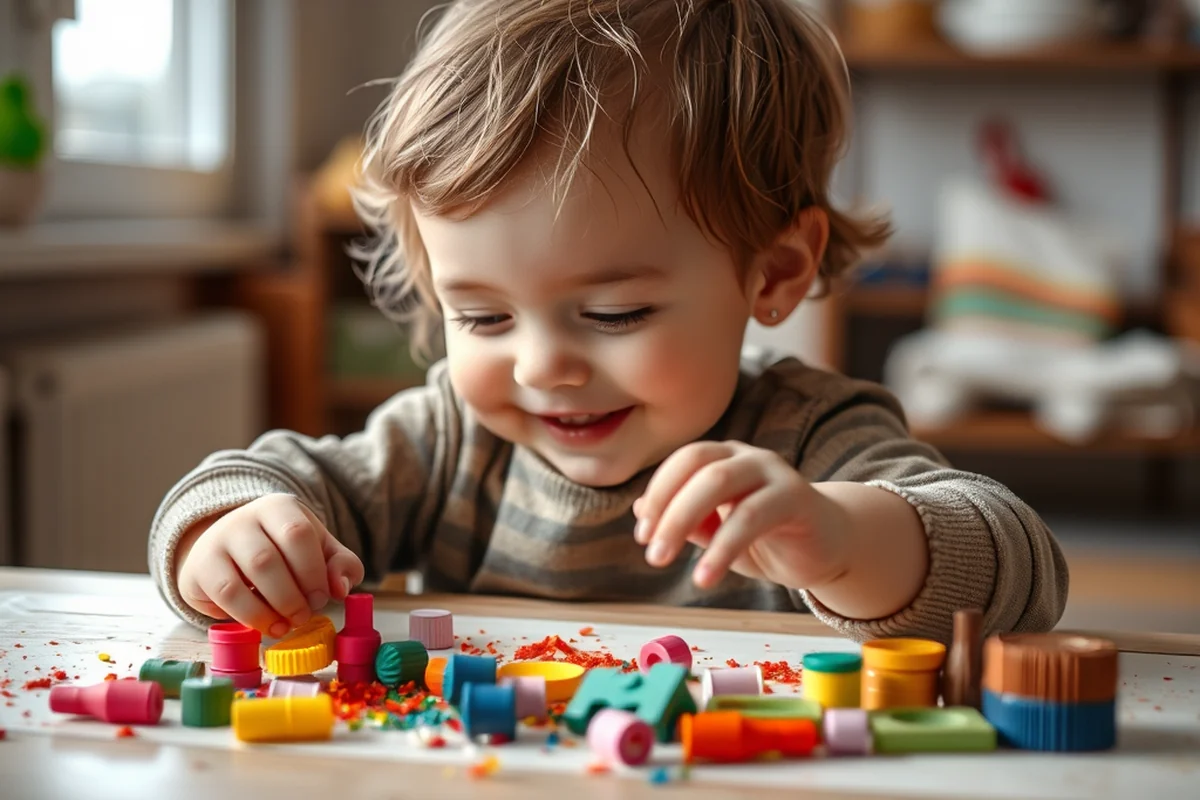
I didn’t realize how much process art would help my daughter’s development until I watched her one day. She was using a paintbrush to swirl colors around the canvas, then picking up a sponge to dab and press. It was like a mini art class, but without any pressure to get it right. She was experimenting, trying new things, and building her confidence.
As a parent, I love seeing how process art encourages my daughter to think outside the box. She once tried to make a ‘rainbow’ by mixing colors together, and even though it didn’t turn out the way she expected, she laughed and tried again. That’s the kind of problem-solving I want to see in her — not just in art, but in life.
Process art also gives kids a safe space to express their emotions. My daughter has had days when she was sad or frustrated, and she always finds a way to work through it with a painting or a collage. It’s like her own private language, and it’s amazing how much she can communicate without words.
Process art is where learning happens, not in the final product, but in the journey.
Related: Process art activity for preschool
What’s the best way to introduce process art for kids?
I set up a small area in our living room with a table, paper, and a few art supplies. The key is to make it inviting, not intimidating. My daughter knows she can come over here anytime and just play with the materials, and she has — on more than one occasion — spent hours just exploring colors and textures.
I’ve found that the best way to introduce process art is to let your child lead the way. I don’t give instructions; I just ask questions like, ‘What do you want to make today?’ or ‘What colors do you like the most?’ This keeps the focus on their creativity and helps them feel in control.
I also make sure to keep the space clean and organized. I’ve learned the hard way that if the supplies are scattered, my daughter gets overwhelmed and loses interest. So, a few dedicated containers and a table that’s easy to clean has made all the difference.
I stick with just a few basic supplies — like washable paint, paper, and glue — and let my daughter choose what she wants to use. This keeps things simple and gives her the freedom to explore without feeling overwhelmed.
“I remember the first time my daughter sat in front of a canvas, her tiny fingers gripping a brush with more determination than I’ve ever…”— Messysenses editors
Related: Process art for toddlers spring
How to make process art a regular part of your routine
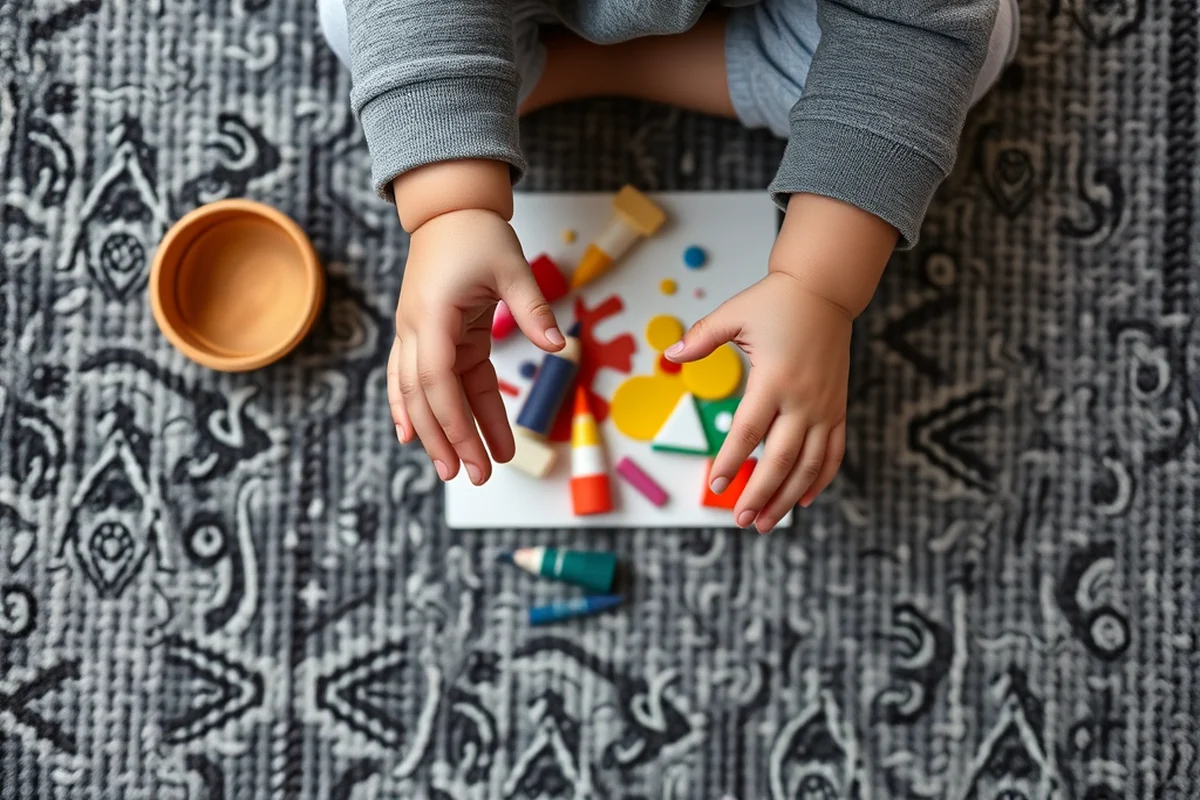
I’ve made it a habit to set aside 30 minutes every Sunday for process art. It’s a special time for us, and it helps my daughter look forward to it. We sit together, and I let her be the one in charge of what we do — whether that means painting, cutting, or just making a mess.
I’ve noticed that my daughter is more engaged when she knows she can count on this time. It gives her a sense of structure and predictability in a world that can sometimes feel chaotic. Even on days when she’s not in the mood for a traditional activity, she always enjoys the freedom that process art brings.
I also love that process art doesn’t require a lot of preparation. I just grab the supplies and set them out, and we go from there. It’s easy to do, and it’s a great way to bond with your child while also giving them the space to be creative.
Related: Process art for toddlers for beginners
What happens if you don’t allow process art for kids?
I’ve seen the difference that process art makes in my daughter’s life — and I can’t imagine what would happen if I didn’t let her explore like this. Without it, she might not have the same level of confidence or the same sense of freedom to express herself.
I’ve also noticed that when I don’t allow process art, my daughter gets more frustrated and anxious. She’s used to being able to make mistakes and explore freely, and when that’s taken away, it feels like a loss. It’s not just about the art — it’s about the feeling of being in control.
I’ve also seen how process art helps my daughter work through emotions she can’t put into words. When she’s sad or upset, she often turns to her art — and it’s a way for her to express what she’s feeling without having to explain it. That’s something I can’t take away from her.
Related: Educational posters for classroom
How to handle the mess of process art for kids
I’ve learned that the mess is part of the process — and I’ve made it easier to manage by preparing ahead of time. I always have a few old towels and plastic tablecloths ready to go, and I keep a bucket of water nearby for cleaning up.
I’ve also made it a family effort. We all help clean up after our art time, and it’s become a bonding experience. My daughter especially loves helping me wipe down the table and put away the supplies — it gives her a sense of responsibility and control.
I’ve found that the mess is worth it. My daughter’s face lights up every time she gets to create something, even if it means cleaning up afterward. And I’ve learned to be more flexible — because sometimes, the mess is just part of the fun.
The mess is just part of the journey — and it’s all worth it in the end.
Related: What is nature drawing
Why process art for kids is worth the effort
I’ve seen how much my daughter has grown since we started doing process art. She’s more confident, more curious, and more willing to take risks — both in her art and in her life. I’ve also seen how it helps her express emotions she can’t put into words, and that’s something I value deeply.
I’ve also noticed that my daughter is more patient and more focused. She’s used to taking her time with her art, and that’s translated into other areas of her life. She’s more willing to try new things, even if they don’t work out the first time.
I think the biggest benefit of process art is the sense of freedom it gives my daughter. She knows she can make mistakes, and she knows she can explore without fear. That’s something I can’t take away from her — and it’s exactly what I want for her.
🎨 Gentle Process Art
Perfect for younger children or those who are more sensitive to mess. This version focuses on using washable, easy-to-clean materials and keeping the space small and contained.
⏱️ Fast-Track Process Art
Ideal for parents who want to get creative without spending a lot of time. This version uses quick-drying materials and can be completed in under 30 minutes.
🧳 Travel/away-from-home Process Art
Designed for on-the-go families. This version uses portable materials like mini paint sets and travel-friendly canvases to make creative time possible anywhere.
👯♀️ Multiples Process Art
Great for families with multiple children. This version encourages collaboration and creativity, with activities that can be shared and enjoyed by multiple kids at once.
🔄 Regression Reset Process Art
Useful for children who are going through a tough time or emotional regression. This version focuses on calming and soothing materials that help kids express themselves in a safe and supportive way.
| The mistake | Why it happens | The fix |
|---|---|---|
| Trying to control the process | Controlling the process can stifle creativity and make your child feel like they have to follow your lead. | Let your child take the lead and explore freely without interference. |
| Using too many materials | Too many materials can be overwhelming and make it harder for your child to focus. | Keep it simple with just a few basic supplies and let your child choose what they want to use. |
| Expecting a perfect result | Expecting a perfect result can make your child feel like they have to get it right, which can be stressful. | Focus on the process rather than the end result and celebrate every step of the way. |
| Not cleaning up properly | Not cleaning up properly can lead to more mess and make it harder to do process art in the future. | Make cleaning up a part of the process and involve your child in the cleanup. |
What Is Process Art For Kids
Common Questions
How do I know if my child is ready for process art?
What if my child doesn’t like getting messy?
How often should I do process art with my child?
What if my child doesn’t like the materials I use?
References
- The Experiences of Parents and Infants Using a Home-Based Art ... (pmc.ncbi.nlm.nih.gov)
Cite this guide
Messysenses (2026). What Is Process Art For Kids. https://messysenses.com/what-is-process-art-for-kids/
Feel free to cite or share this guide.