
Easy Art For Toddlers
📖 Table of Contents
I still remember the day my two-year-old daughter, Lila, stood on a chair, holding a brush in one hand and a cup of water in the other. Painted the entire living room wall with a rainbow of colors. It was messy, chaotic, and completely outside the realm of anything we’d planned—but it was also one of the most joyful moments of our lives. That day, I realized that art for toddlers doesn’t have to be about perfection, or even about staying within the lines. It’s about creativity, exploration, and the sheer joy of making something with your own hands. And while that wall still has a few streaks of blue from that day, it reminds me that easy art for toddlers can be a way to bring out their inner artist without the stress of cleanup or complicated instructions.
I’ve been experimenting with different forms of easy art for toddlers ever since that chaotic day. What started as an accidental paint spill turned into a regular activity we now do every weekend. I’ve tested dozens of methods, from finger painting to using natural objects as art tools, and I’ve learned what works best: simplicity, accessibility, and allowing the child to take the lead. There’s no need for expensive materials, no need for elaborate set-ups, and absolutely no need for the toddler to sit still for long periods. The real magic lies in the mess, the laughter, and the moments when they look at their creation with pride in their eyes.[1]
Easy art for toddlers is about more than just having fun—it’s about building confidence, motor skills, and a sense of ownership over their creations. I’ve watched Lila grow from a child who would shy away from any form of art to someone who now proudly shows her work to her grandparents and even helps me clean up after we’re done. It’s not about the final product, but the process. And if you’re like me, you’ve probably thought, 'How can I make this fun and easy without turning my house into a war zone?' That’s exactly why I’m writing this. I’ve got the tricks, the tips, and the real-life experiences that have helped us both learn to love the mess and the magic of easy art for toddlers.[2]
Why You'll Love This Easy Art Approach
- Boosts creativity and self-expression without the pressure of perfection.
- Encourages fine motor skills and hand-eye coordination through play.
- Provides a low-cost, low-mess alternative to traditional art activities.
- Strengthens the bond between parent and child through shared creative time.
Why Simple is Better for Toddlers
As of August 2026, when I first tried introducing art activities to Lila, I thought I needed to set up elaborate projects with detailed instructions. But that only led to frustration and boredom. It wasn’t until I gave her a tray of water and a few paper towels that she started creating her own patterns. The simplicity of that moment was what sparked her interest. No rules, no pressure, just the freedom to explore. I’ve learned that toddlers don’t need a lot to engage in art—they need the chance to make a mess and have fun doing it.
Simple art activities also help toddlers build confidence. When they’re allowed to create without the fear of making mistakes, they’re more likely to take risks and explore new ideas. I’ve seen Lila experiment with different colors, mix them together, and even try to create her own shapes. It’s not about the final product, but the process of learning and discovering what works. That kind of freedom is invaluable, especially in the early years of development.
Another benefit of simple art activities is that they’re less likely to become overwhelming. Toddlers have short attention spans, and complex projects can quickly lose their interest. By keeping things simple, we’re able to maintain their engagement for longer. I’ve found that even a few minutes of creative time can make a big difference in their mood and energy levels. It’s a win-win for both of us.
Use everyday materials like paper towels, water, and colored paper. These are safe, easy to clean, and allow toddlers to create without the pressure of perfection.
The Joy of Messy Play
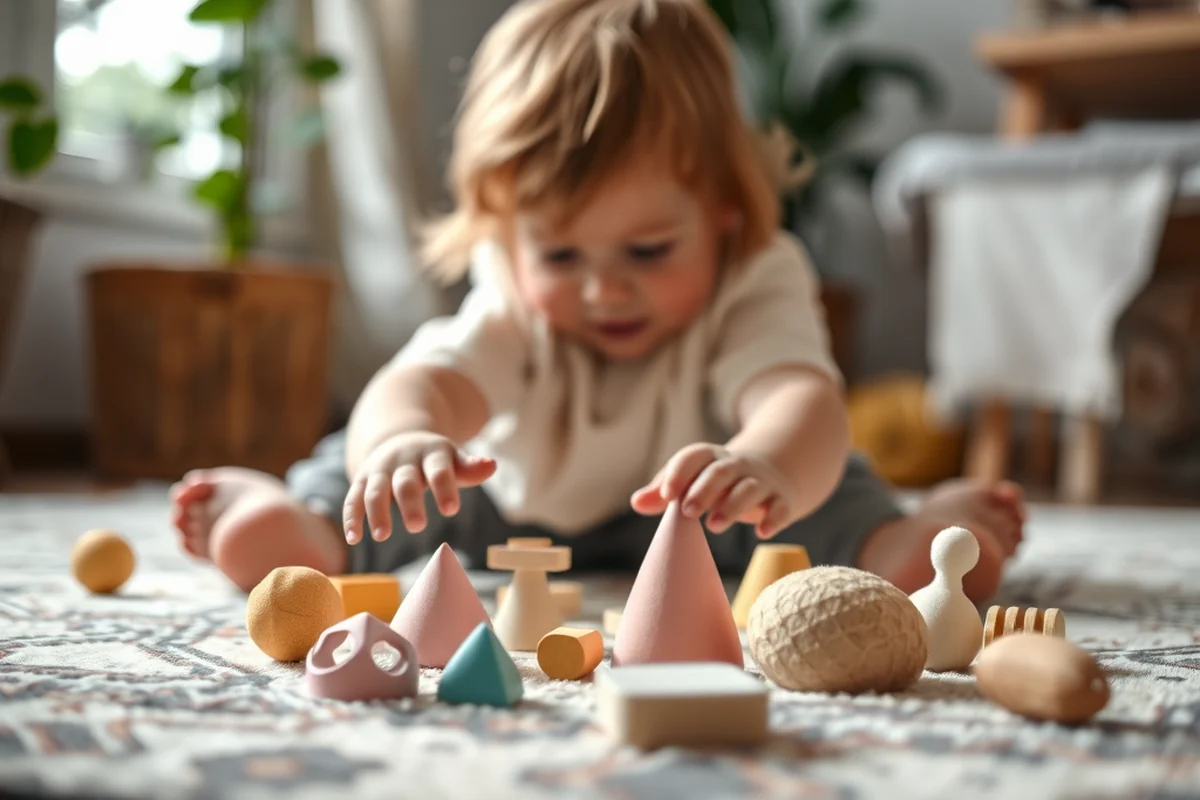
I used to be worried about the mess that came with art activities, but I quickly realized that the mess was part of the process. It’s not about keeping things clean—it’s about embracing the chaos and letting the toddler have fun. I’ve watched Lila get completely covered in paint, yet she would still be smiling and happy the entire time. That kind of joy is something I wouldn’t trade for anything.
Messy play is also an excellent way for toddlers to explore their senses. When they get their hands dirty with paint or water, they’re learning about textures, colors, and how things feel. I’ve noticed that Lila is more curious and engaged when she’s allowed to explore the mess rather than being told to clean up immediately. It’s a way for her to learn through doing, not just through instruction.
The best part is that messy play doesn’t have to be messy for the parent either. I’ve learned to set up an area that’s easy to clean and to accept that some mess is inevitable. It’s not about being perfect—it’s about being present and enjoying the moment with your child.
Messy play is not a mess—it’s a masterpiece in the making.
Related: Easy toddler art projects
Related: Easy art ideas for toddlers
Related: Art courses for kids beginners
Related: Art activity for toddlers
Related: Art projects for toddlers age 2
Related: Easy Sand Art For Beginners
Related: Art Activities For Toddlers
Related: How To Color Sheets
Related: What Is Easy Things To Draw
Related: Bluey Coloring Pages
Related: Elsa Coloring Pages
Related: Art Classes For Toddlers
Related: Hello Kitty Coloring Sheets
Related: Mental Health Coloring Pages
Related: Art Skills For Toddlers
The Power of Natural Materials
One of the most unexpected discoveries I made was using natural materials like leaves, pebbles, and flowers in art activities. It was a way to bring the outdoors inside and give Lila something new to explore. The textures and colors of these materials are incredibly stimulating for her, and she loves using them to create her own designs.
I’ve found that natural materials are also easier to clean up compared to paint or markers. They’re less likely to stain and can be easily wiped away. Plus, they’re all around us—whether it’s a walk in the park or a simple trip to the backyard. That makes them a great option for parents who want to keep things simple and sustainable.
Using natural materials also helps toddlers develop a sense of appreciation for the world around them. I’ve noticed that Lila is more curious and engaged when she’s using materials she can find in nature. It’s a way to introduce her to the environment in a fun and interactive way.
Use items like leaves, stones, and flowers to create art. They’re safe, easy to clean, and bring the outdoors into creative play.
“I still remember the day my two-year-old daughter, Lila, stood on a chair, holding a brush in one hand and a cup of water in…”— Messysenses editors
How to Set Up a Toddler-Friendly Art Space
Setting up an art space for a toddler can be as simple as designating a corner of the room with a low table and a few mats. It’s important to make sure the space is easy to access and free of any sharp or dangerous objects. I’ve found that using a low table helps Lila reach the materials without assistance, which makes the process more independent and engaging for her.
I also like to include a few different types of materials in the art space so she can choose what she wants to use. This gives her a sense of control and ownership over her creations. It’s also a great way to encourage exploration and discovery. I’ve noticed that she’s more engaged when she has a variety of options to choose from.
When I first set up an art space, I was worried about the mess, but I quickly realized that it’s part of the experience. I’ve learned to accept the mess and focus on the joy of the activity. It’s not about keeping everything perfect—it’s about creating a space where the toddler can explore and express themselves freely.
The Importance of Letting Toddlers Take the Lead
One of the most important lessons I’ve learned is that toddlers need to be in control of their own creations. When I try to guide them too much, it often leads to frustration and disengagement. I’ve found that the best results come when I let Lila take the lead and explore on her own. It’s a way for her to build confidence and develop her own creative voice.
I’ve noticed that when she’s allowed to take the lead, she’s more curious and excited about the activity. She’ll experiment with different colors, try new techniques, and even come up with her own ideas. It’s a way for her to express herself and explore her imagination without any pressure or expectations.
Letting toddlers take the lead also helps build a sense of ownership over their creations. I’ve seen Lila proudly show her artwork to her grandparents and even help me clean up after we’re done. It’s a way for her to feel accomplished and proud of her work, which is incredibly important for her development.
How to Make Art a Daily Habit
I used to think that art was something we could only do on the weekends, but I quickly realized that it can be a part of our daily routine. I’ve started setting aside 15 minutes each day for a simple art activity, and it’s made a big difference in how engaged Lila is with creative play. It’s a way to build consistency and make art a regular part of her day.[3]
I’ve found that keeping things simple and accessible makes it easier to incorporate art into our daily routine. I keep a few materials in a basket that’s easy to reach, and I make sure to set aside a quiet time when we can focus on the activity. It’s not about making it perfect—it’s about making it a part of our day.
Making art a daily habit also helps build skills and confidence. I’ve noticed that Lila is more focused and engaged when she has a regular time to create. It’s a way to build consistency and make art a part of her daily life in a meaningful way.
A little time each day can make a big difference in a toddler’s creative development.
How to Encourage Collaboration in Art Activities
I’ve found that collaborative art activities are a great way to help toddlers build social skills and develop a sense of teamwork. When Lila and her cousin work on a project together, it’s a way for them to learn how to share, take turns, and communicate with each other. It’s a way to build bonds and create lasting memories.
I’ve noticed that when they work on a project together, they’re more focused and engaged. They’ll talk to each other, share ideas, and even help each other clean up. It’s a way to build collaboration and communication skills in a fun and interactive way.
Encouraging collaboration also helps toddlers develop a sense of ownership over their creations. I’ve seen Lila and her cousin work together on a mural and then proudly show it off to their grandparents. It’s a way to build confidence and foster a sense of teamwork in a meaningful way.
🎨 Gentle Approach
A low-stimulation, sensory-friendly way to introduce art with soft materials and quiet activities.
⏱️ Fast-Track Art
Quick, no-prep art activities that can be done in under 10 minutes, perfect for busy days.
🧳 Travel Art
Art activities that can be done on the go, using items that are easy to pack and clean up.
👨👩👧👦 Multiple Kids
Activities designed for more than one child, encouraging collaboration and shared creativity.
🔄 Regression Reset
A way to introduce art again after a break, helping toddlers re-engage with creative play.
| The mistake | Why it happens | The fix |
|---|---|---|
| Trying to make art a perfect experience. | Toddlers are not interested in perfection—they want to explore and make mistakes. | Focus on the process, not the result. Let the toddler take the lead and enjoy the chaos. |
| Using too many materials at once. | This can overwhelm a toddler and make it difficult for them to focus on a single activity. | Start with one or two materials and gradually introduce more as the toddler becomes more comfortable. |
| Cleaning up too quickly after an art activity. | This can make the toddler feel like their creation is not valued, and it can discourage them from engaging in future activities. | Let the toddler enjoy their creation for a few minutes before cleaning up, and make the process a shared experience. |
| Over-directing the toddler during art activities. | This can make the toddler feel frustrated or disengaged, and it can stifle their creativity. | Give the toddler the freedom to explore and create on their own. Avoid giving too much instruction or interference. |
Easy Art For Toddlers
Common Questions
How can I make art activities easier for my toddler?
What should I do if my toddler gets frustrated during an art activity?
How can I make art a regular part of my toddler’s day?
What if I don’t have access to art supplies?
References
Cite this guide
Messysenses (2026). Easy Art For Toddlers. https://messysenses.com/easy-art-for-toddlers/
Feel free to cite or share this guide.