
Process Art Ideas For Preschoolers
📖 Table of Contents
- What Is Process Art, and Why It Works for Preschoolers
- How Process Art Boosts Early Childhood Development
- Simple Process Art Ideas You Can Try Right Now
- How to Make a Mess Without Making a Mess
- Why Process Art Is a Great Tool for Emotional Expression
- How to Encourage Your Child to Take Ownership of Their Art
- The Long-Term Benefits of Process Art for Preschoolers
- Make It Your Way
- Frequently Asked Questions
When my daughter was three, I discovered that her most magical moments weren’t during her structured art lessons. When she was splashing paint on the floor, leaving handprints on the fridge, or pressing leaves into homemade playdough. These weren’t ‘perfect’ art projects — they were messy, chaotic, and often left me feeling like I had just survived a tornado. But what I didn’t expect was how deeply these process art ideas for preschoolers would shape her creativity, confidence, and even her emotional development. I realized that the real magic wasn’t in the final product, but in the journey itself — the squelching of clay, the smell of tempera paint, the way her fingers moved with such purpose.
I’ve tried countless parenting strategies, but nothing has brought so much joy and learning into our home as process art. It’s not about making a masterpiece; it’s about giving kids the freedom to explore, experiment, and express themselves without fear of judgment. When I first started exploring process art ideas for preschoolers, I was overwhelmed by the options, the costs, and the mess. But as I experimented, I learned that it’s not about having the most expensive supplies or the most elaborate setup — it’s about being present, being playful. Letting the child lead the way.
Now, I’ve curated a list of process art ideas for preschoolers that have worked in my own home. I’m sharing them here so that other parents can experience the same joy and growth. From simple paper collages to messy sensory bins, these activities are not only fun but also deeply educational, helping kids develop fine motor skills, color recognition, and even early problem-solving abilities. Whether you’re looking for a quick distraction or a long-term creative outlet, these ideas have something for every parent, every child, and every messy day.[1]
Why You'll Love This Approach to Preschool Art
- Encourages unstructured creativity and self-expression
- Strengthens fine motor skills and hand-eye coordination
- Boosts emotional development through sensory exploration
- Provides a low-pressure way for kids to explore and learn
What Is Process Art, and Why It Works for Preschoolers
As of August 2026, Process art isn’t about making a finished product — it’s about the process itself. When I first tried this with my daughter, I was amazed by how much she learned without me even saying a word. She was mixing colors, experimenting with textures, and trying out new tools like sponges, cotton swabs, and even her own feet. It was messy, but it was also deeply engaging and educational.[2]
One of the most beautiful things I’ve noticed is how much more confident she became in her own abilities. When she’s allowed to explore without being corrected or redirected, she learns to trust her instincts. I’ve seen her try things that didn’t work at first and then keep going — that resilience is something I never could have taught her through structured lessons.[3]
This kind of art doesn’t require any planning or preparation. It’s perfect for days when you just want to spend time together without any pressure. And the best part? It’s not only fun for the kids — it’s also a great way for parents to relax and let go of the need for control.
Let your child lead the way. If they want to cover the entire wall in paint, let them — just be ready with a damp cloth for cleanup afterward.
How Process Art Boosts Early Childhood Development
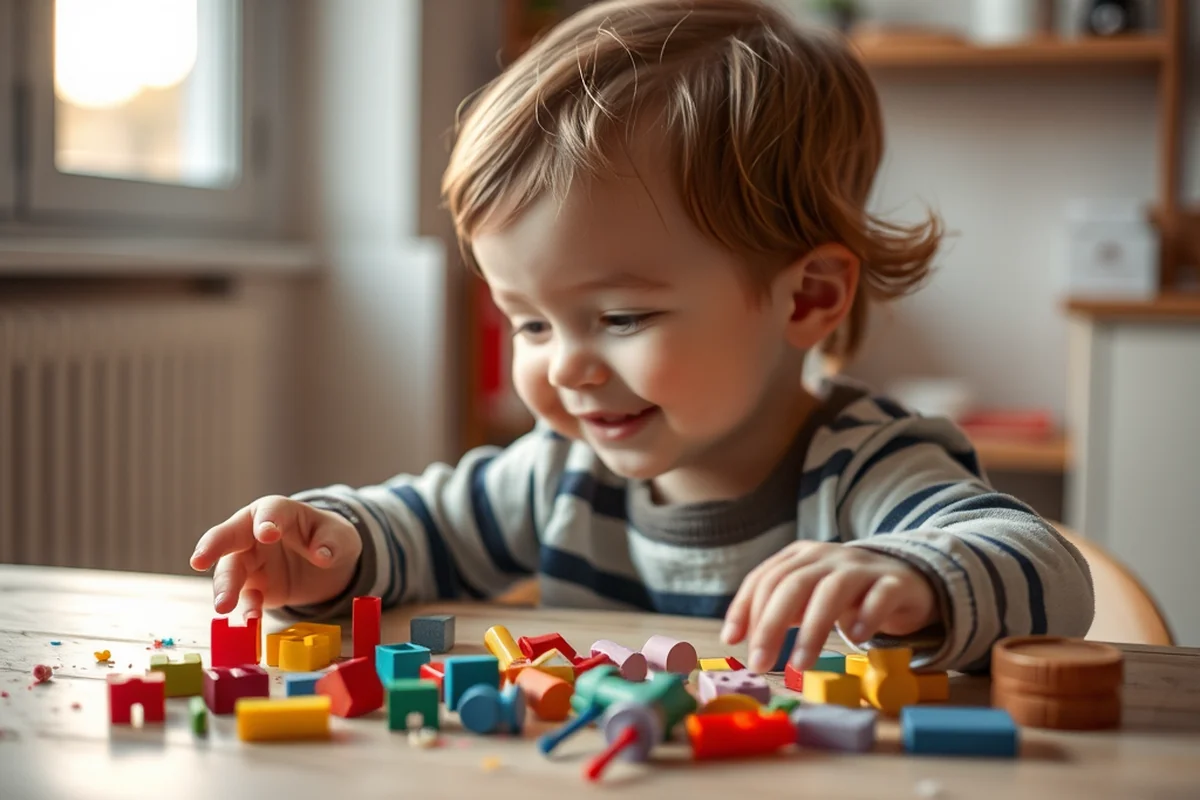
I never realized how much process art could help with development until I saw it in action with my daughter. One day, she was using her fingers to dip into a bowl of paint and then pressing them onto paper. It wasn’t about making a pretty picture — it was about learning how her fingers worked, how pressure affected the paint, and how colors mixed together. It was like a science experiment, but with paint and fun.
As she grew, her motor skills improved significantly. She was able to hold a brush more steadily, press harder or softer depending on what she wanted, and even use her whole hand to make larger strokes. These are all skills that I never would have taught her through traditional art lessons — they just came naturally through play.
But the benefits aren’t just physical. Process art also helps children understand and express their emotions. One day, she was using black paint to make dark, swirling patterns on the floor. I asked her what it was, and she said it was her feelings — the ones that made her sad. It was a raw, honest moment that I’ll always remember.
Art is a language that even the youngest children can speak.
Related: Easy process art for toddlers
Related: Flower process art for toddlers
Related: Spring process art for toddlers
Related: Infant process art ideas
Related: Thanksgiving process art for toddlers
Related: Process Art For Kids
Related: Back To School Coloring Pages
Related: Dinosaur Coloring Pages
Related: Spider Man Coloring Pages
Related: A Yard Art
Related: Process Art Projects For Preschoolers
Related: Educational Posters For Classroom
Related: What'S In The Bible Coloring Book
Simple Process Art Ideas You Can Try Right Now
If you’re looking for a few quick and easy process art ideas for preschoolers, you’re in luck. I’ve found that some of the best ideas require nothing more than a few household items and a bit of imagination. One of my favorites is using cotton balls and food coloring to make little ‘paint bombs’ — you just squeeze the cotton balls into a cup of colored water and then press them onto paper for a soft, colorful effect.
Another idea is making sensory bins with things like rice, beans, or dried pasta. You can add small toys or plastic animals and let your child dig through them with their hands. It’s a great way to work on fine motor skills and also provides a calming, sensory experience.
I’ve also found that using old newspapers or cardboard is a great way to save money while still giving your child a fun creative outlet. Just lay out a big sheet of paper and let them paint, draw, or even use their fingers to make prints. It’s messy, but it’s also incredibly satisfying for both kids and parents.
You don’t need expensive art supplies to create meaningful process art experiences. Use what you have around the house and let your child explore.
“When my daughter was three, I discovered that her most magical moments weren’t during her structured art lessons, but when she was splashing paint on…”— Messysenses editors
How to Make a Mess Without Making a Mess
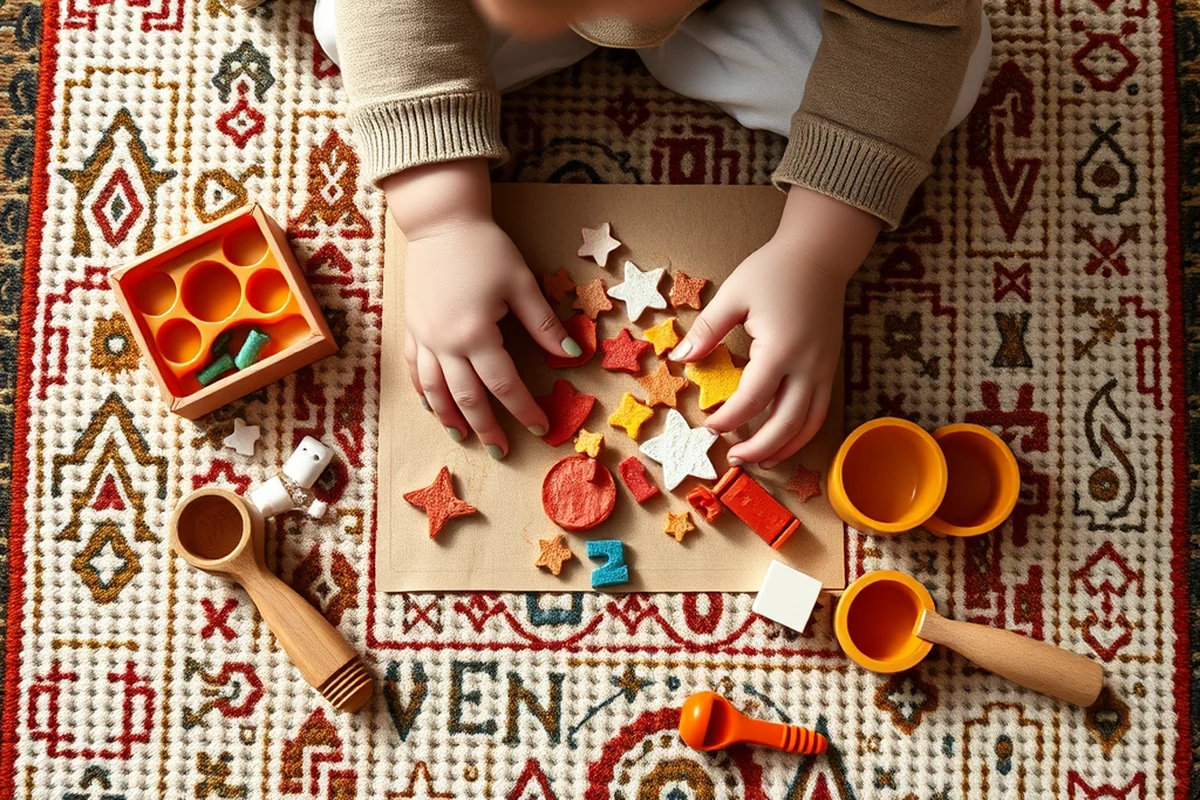
I used to dread process art because I knew it would end in a disaster. But over time, I learned a few tricks that help keep the mess manageable. One of the easiest ways is to set up a small area with a drop cloth or a large piece of cardboard. That way, your child can create without worrying about getting paint on the floor or walls.
I also keep a few plastic bins nearby with supplies like paper towels, rags, and even a small spray bottle of water. These are great for quick cleanups and also help your child feel more in control of the mess they’re making. It’s important to let them know that it’s okay to get messy — as long as they clean up afterward.
Another tip is to set a timer. My daughter loves knowing that she has a certain amount of time to create, and it gives her a sense of structure while still allowing her to explore freely. After the timer goes off, we do a quick cleanup together, which makes it a shared experience and not just a chore.
Why Process Art Is a Great Tool for Emotional Expression
I’ve seen how process art helps children express emotions that they might not have words for. One day, my daughter was using red and black paint to make big, sweeping strokes across a piece of paper. When I asked her what it was, she said it was her anger — she was upset about something that had happened at school. It was a raw and honest moment that showed me how process art can help kids process their feelings.
For children who don’t yet have the language to express what they’re feeling, process art is a powerful tool. They can use colors, textures, and even the way they move their hands to show what they’re going through. It’s a way for them to feel seen and understood, even when they can’t say it out loud.
I’ve also noticed that process art can be a great way for kids to explore and even release their emotions. I’ve seen my daughter use bright, colorful paint on days when she’s happy, and on other days, she’s used darker colors and more chaotic patterns when she’s feeling overwhelmed. It’s a way for her to process her emotions in a safe and creative space.
How to Encourage Your Child to Take Ownership of Their Art
One of the most important things I’ve learned about process art is that letting your child take the lead is essential. When I first started, I used to get involved too much — trying to guide her, correct her, or even suggest ideas. But over time, I realized that the most powerful moments happened when I stepped back and let her explore on her own.
Now, I only step in if she asks for help or if she’s stuck. Otherwise, I let her make choices about what to use, how to use it, and what to create. It’s amazing how much more confident she’s become in her own abilities when she’s allowed to take control. She also feels a sense of pride in her work, which is something I never could have achieved by doing it for her.
Letting your child take ownership of their art also helps build their independence. When they’re the ones making the decisions, they’re learning problem-solving skills, creativity, and even a sense of responsibility. It’s a win-win for both you and your child.
Letting go is the best way to watch your child grow.
The Long-Term Benefits of Process Art for Preschoolers
I’ve seen how process art has shaped my daughter in ways I never could have anticipated. She’s more confident, more creative, and more willing to take risks. These are all skills that I couldn’t have taught her through traditional lessons — they came naturally through the freedom of process art.
One of the biggest long-term benefits I’ve noticed is how much more she’s willing to try new things. Whether it’s trying a new activity, experimenting with different materials, or even trying to solve a problem in a new way, she’s much more open to exploration and creativity. That’s something that will carry over into her school years and beyond.
I’ve also seen how process art helps build a love for learning. When she’s allowed to explore and discover on her own, she becomes more curious and more interested in the world around her. It’s not just about making art — it’s about building a lifelong love for learning and discovery.
🎨 Gentle Process Art
Ideal for sensitive kids who thrive in calm, low-pressure environments. Focus on soft materials and quiet exploration.
⏱️ Fast-Track Process Art
Perfect for busy parents who need a quick, mess-free activity that still offers creative benefits.
✈️ Travel/On-the-Go Process Art
Great for families who are always on the move. Use compact, portable materials that can be used anywhere.
👶 Process Art for Multiples
Tailored for homes with more than one child. Encourages collaboration and shared creative experiences.
🔄 Regression Reset Process Art
Helps children who are going through a developmental plateau or emotional setback. Offers a safe, comforting creative outlet.
| The mistake | Why it happens | The fix |
|---|---|---|
| Trying to control the process too much | It can stifle creativity and make the activity less enjoyable for your child. | Let your child take the lead and only step in when they need help or guidance. |
| Using too many different materials at once | It can overwhelm your child and make the activity feel more like a chaotic experiment than a creative experience. | Start with one or two materials and gradually introduce new ones as your child becomes more comfortable with the process. |
| Focusing too much on the final product | It can take away from the joy of the process and make your child feel like they need to ‘get it right’ instead of exploring freely. | Celebrate the process, not the product. Let your child know that it’s okay to make mistakes and that the journey is what matters most. |
| Not allowing your child to clean up | It can lead to clutter and make the activity feel less enjoyable for everyone involved. | Set a time limit and help your child clean up together. Make it a fun, shared experience that’s part of the process. |
Process Art Ideas For Preschoolers
Common Questions
Do I need any special supplies for process art?
How long does a process art session usually last?
Can process art help with my child’s emotional development?
What if my child doesn’t like making a mess?
References
- The Journey of Loose Parts across Educational Landscapes and ... (files.eric.ed.gov)
- Preschool Curriculum Framework Volume 3 (cde.ca.gov)
- How Process-Focused Art Experiences Support Preschoolers (naeyc.org)
Cite this guide
Messysenses (2026). Process Art Ideas For Preschoolers. https://messysenses.com/process-art-ideas-for-preschoolers/
Feel free to cite or share this guide.