
Simple Art Projects For Toddlers
📖 Table of Contents
When my daughter turned two, I found myself standing in the middle of a living room that looked more like a tornado hit it than a space for creative exploration. She had smudged paint everywhere, and I was both delighted and overwhelmed. It was the first time I realized that art didn't have to be clean, structured, or perfect — and that's when I started to fall in love with simple art projects for toddlers. These projects are not about making masterpieces; they're about making messes, exploring textures, and discovering the joy of creativity in the most unexpected places.
I remember one afternoon when I had nothing but a few paper plates, some crayons, and a roll of paper towels. Within minutes, my daughter was giggling, smearing colors across the paper, and shouting with excitement every time she made a new shape. It wasn't about the end result — it was about the process, the laughter, and the way her small hands moved with such purpose. Simple art projects for toddlers don't require a lot of materials, but they can spark a world of imagination.
As a parent, I used to worry that art projects were too complicated, too time-consuming, or too messy. But over time, I learned that the best art projects for toddlers are the ones that are easy to set up, mess-friendly, and filled with sensory experiences. Whether it's finger painting with watercolors or using cotton balls to create clouds, these activities don't require perfection. They require curiosity — and that's something every toddler has in abundance.[1]
Why You'll Love This Collection of Simple Art Projects for Toddlers
- Encourages self-expression and creativity without the need for complex instructions
- Promotes fine motor skills and hand-eye coordination through hands-on exploration
- Can be done with minimal materials, making them accessible for parents on a budget or with limited space
- Provides a safe, sensory-friendly way for toddlers to explore colors, textures, and shapes
The Magic of Messy Play
As of August 2026, Messy play is more than just a way to keep toddlers entertained; it's a crucial part of their development. When my daughter used to smear paint on the floor, I realized she wasn't just making a mess — she was exploring texture, pressure, and control. There's a reason toddlers enjoy the squelch of playdough and the slip of wet paint — it's all about sensory feedback.
During one of our messy painting sessions, I noticed that she was pressing harder on the paper when she was excited and softer when she was curious. It was like she was learning about the relationship between emotion and expression. This kind of exploration is invaluable, and the best part? It doesn't require any cleanup — just a few paper towels and a good attitude.[2]
I've learned that the mess is not the enemy; it's the medium. Simple art projects for toddlers often involve things like water, paint, and sand, all of which are messy by nature. And while it may seem overwhelming at first, I've found that the more I embrace the mess, the more my daughter enjoys it — and the more she learns from it.
Keep a small bin of paper towels and a wet cloth nearby. Teach your toddler to wipe up as they go — it fosters responsibility and keeps the mess manageable.
Why Watercolor is a Game-Changer for Toddlers
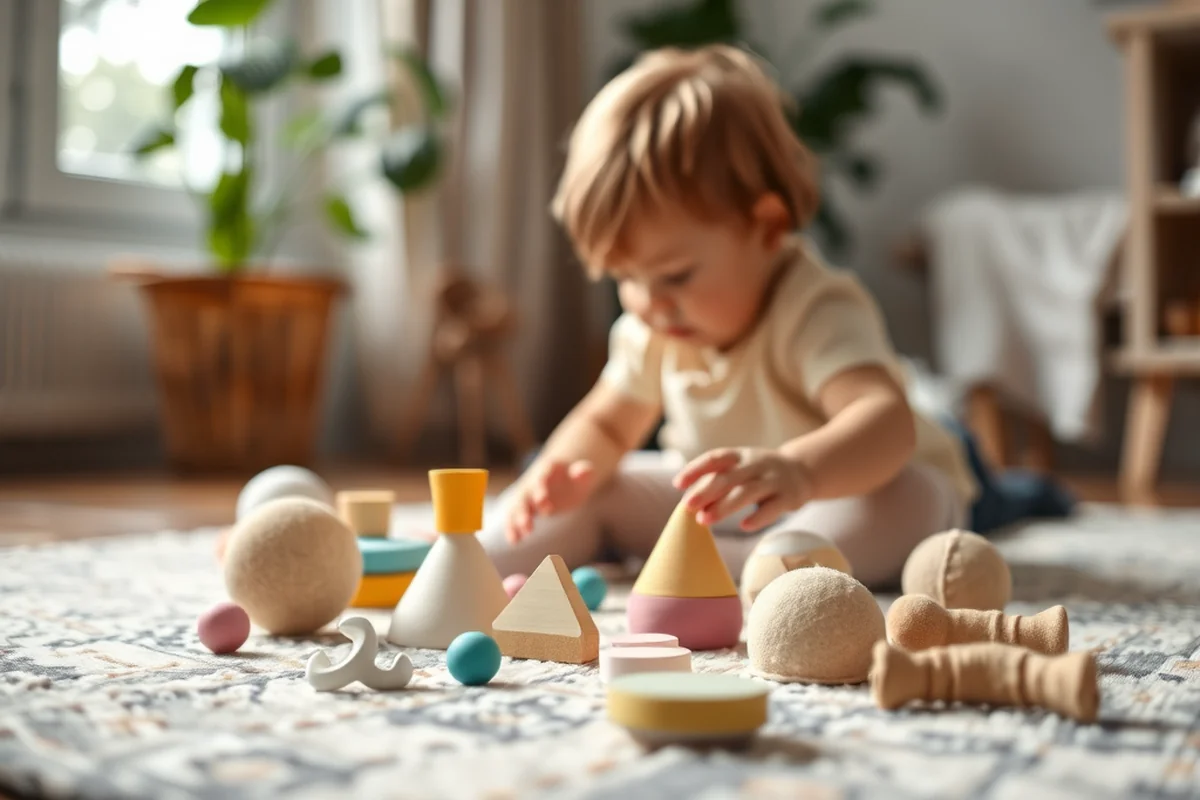
Watercolor has become my go-to medium for toddler art projects because it's gentle on small hands and doesn't require any special cleanup. I remember the first time my daughter dipped her fingers into a small dish of watercolor — she was so excited, and the colors flowed out in a way that felt like magic to her. It's like watching a child discover something new for the first time.
The way the colors blend and spread on paper is fascinating to toddlers. I've watched her experiment with different strokes, trying to make flowers, rain, and even abstract shapes that looked like her own little world. The best part is that if she makes a mistake, it's not a big deal — she just adds more color or uses a sponge to dab it away.
Watercolor also helps develop fine motor skills. When she presses her fingers into the paint, she's learning about pressure and control. I've noticed that over time, her strokes have become more deliberate, and she's learning to manage the flow of color. It's the kind of growth that happens without any pressure — just a little fun.
Watercolor is like magic in a small dish — and it's the perfect first step for young artists.
Related: Process art ideas for preschoolers
Related: Thanksgiving process art for toddlers
Related: Cheap process art for toddlers
Related: Art work for toddlers
Related: Simple art for toddlers
Related: Playdough Videos For Toddlers
Related: Simple Sand Art For Beginners
Related: Decorative Sand Art Projects
Related: Art Classes For Toddlers
Related: Dinosaur Coloring Pages
Related: Painting Projects For Toddlers
Related: Kpop Demon Hunters Coloring Pages
Related: Art Skills For Toddlers
The Power of Finger Painting
Finger painting is one of the easiest and most effective ways to get a toddler engaged in an art project. I've found that it doesn't require any special tools — just a few paper plates, some washable paint, and a few minutes of time. It's a simple activity, but it can lead to some of the most creative and expressive art I've ever seen from my daughter.
During one of our painting sessions, I watched my daughter use her fingers to paint a whole series of pictures — a rainbow, a cat, and even a stick figure that looked like her. She didn't worry about making mistakes, and that's what made the experience so special. She was fully immersed in the process, and it was a joy to see her explore the world of color.
I've noticed that finger painting helps with hand-eye coordination and fine motor skills. The way she presses her fingers into the paint and then moves them across the paper is like a miniature version of a larger artistic process. It's the kind of activity that doesn't feel like a lesson — it feels like pure joy.
Always use non-toxic, washable paints when working with toddlers. It gives you peace of mind and makes cleanup easier — and it's a great way to ensure your toddler can explore freely without worry.
“When my daughter turned two, I found myself standing in the middle of a living room that looked more like a tornado hit it than…”— Messysenses editors
Creating with Cotton Balls and Glue
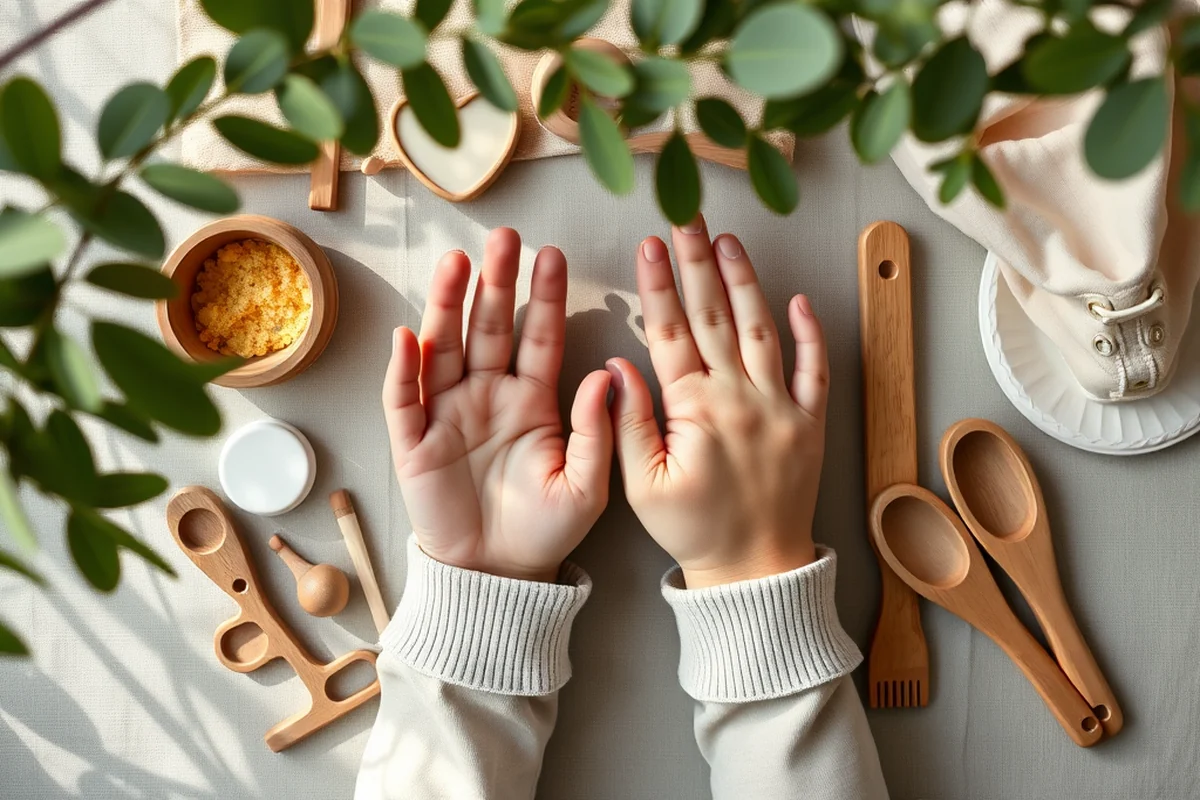
One of my favorite projects is using cotton balls and glue to create clouds or snowflakes. I found that this project is not only fun but also helps toddlers develop their fine motor skills as they learn to press the cotton balls onto the paper using glue. It's a simple activity that can be done with just a few household items.
When I first tried this with my daughter, she was thrilled with the softness of the cotton balls. She loved how they squished and how they felt as she pressed them onto the paper. I watched her carefully apply the glue and then place each cotton ball onto the paper, making sure it was flat and even. It was a small moment, but it was a big step in her development.
This project is also a good way to introduce the concept of shapes and textures. As she worked on the project, she began to recognize the differences between the soft cotton balls and the smooth paper. It's amazing how much she learned without even realizing it — just by playing with the materials and exploring her creativity.
The Joy of Collage Making
Collage making is a simple yet powerful way to engage a toddler in an art project. I've found that it's a great way to introduce the concept of texture and composition, and it's also a lot of fun. All you need is a piece of cardboard, some glue, and a few materials like paper, fabric, and even small leaves.
When I first tried this with my daughter, I was surprised by how much she enjoyed the process. She loved sticking pieces of paper onto the cardboard and then adding a bit of fabric to make it look like a dress. It was amazing to see how she experimented with different materials and how she tried to create a story with each collage.
This project is also a great way to encourage creativity and imagination. I've noticed that my daughter has started to think about the story behind each collage — she has one that looks like a forest and another that looks like a house. It's a simple activity, but it's full of meaning and depth.
Exploring with Natural Materials
I've recently discovered the joy of using natural materials like leaves, flowers, and sticks in my toddler's art projects. I found that these materials not only add a unique sensory experience but also teach my daughter about the world around her. It's a simple way to connect with nature and bring the outdoors into the house.
One of our favorite projects was making a collage with leaves and flowers we collected from the backyard. My daughter loved the way the leaves looked and felt, and she was excited to place them on the paper. I watched as she carefully placed each leaf and flower, making sure it was just right. It was a small moment, but it was a big step in her understanding of the world.
This project is also a great way to introduce the concept of textures and colors. As she worked on the collage, she began to recognize the differences between the soft leaves and the hard sticks. It's amazing how much she learned without even realizing it — just by playing with the materials and exploring her creativity.
Nature is the best teacher — and it's always full of surprises.
Simple Art Projects for Toddlers: The Benefits of Open-Ended Play
One of the most important things I've learned about simple art projects for toddlers is the value of open-ended play. Unlike structured art activities, open-ended projects allow toddlers to explore and create freely, which is essential for their development. I've seen how this kind of play helps my daughter develop her imagination, problem-solving skills, and emotional expression.
During one of our open-ended art sessions, I watched my daughter create a whole world on a piece of paper — a house, a tree, and even a sun. She didn't follow any instructions or guidelines — she just created what felt right to her. It was a small moment, but it was a big step in her understanding of the world and her place in it.
I've noticed that open-ended art projects help toddlers develop their confidence and self-expression. When my daughter is given the freedom to create without any restrictions, she feels more in control and more confident in her abilities. It's the kind of growth that happens without any pressure — just a little fun and a lot of creativity.
🧸 Gentle Approach for Sensitive Toddlers
For toddlers who are easily overwhelmed, focus on soft materials like cotton balls, paper, and watercolors. Keep the environment calm and allow them to explore at their own pace.
⏰ Fast-Track Art Sessions
Use pre-made art kits or ready-to-use materials like washable paints and pre-cut shapes. These can be set up in minutes and provide quick, engaging play for busy days.
🧳 Travel-Friendly Art Projects
Pack small containers of washable paint, paper, and a few cotton balls. These materials are lightweight and easy to carry, making them perfect for on-the-go creativity.
👨👧👦 Art Projects for Multiple Toddlers
Use large sheets of paper and non-toxic washable paint to allow multiple toddlers to create together. This encourages social interaction and shared creativity.
🔄 Regression Reset with Art
Introduce simple, familiar art projects when a toddler is feeling overwhelmed or regressed. These can help them re-engage with creativity and regain a sense of control.
| The mistake | Why it happens | The fix |
|---|---|---|
| Assuming toddlers need complex instructions | Toddlers thrive in open-ended environments where they can explore freely without being told what to do. Complex instructions can be overwhelming and discourage creativity. | Use simple, open-ended art projects that allow your toddler to explore and create at their own pace. |
| Not providing enough materials | If a toddler doesn't have enough materials, they may become frustrated or disengaged. It's important to provide a variety of options to keep them interested and excited. | Make sure to provide a wide range遍 of materials, such as paints, paper, glue, and natural items, to keep your toddler engaged. |
| Trying to clean up too quickly | Cleaning up too quickly can make the art project feel like a chore rather than a fun activity. It can also discourage your toddler from exploring freely. | Allow your toddler to explore the mess for a while before cleaning up. It's important to let them enjoy the process without rushing them. |
| Not being patient with messy play | Messy play is a crucial part of toddler development. If you're too focused on keeping things clean, it can discourage your toddler from exploring and creating freely. | Embrace the mess and make it a part of the experience. Use washable materials and provide a few paper towels for easy cleanup. |
Simple Art Projects For Toddlers
Common Questions
What are the best art materials for toddlers?
How can I make art projects more engaging for my toddler?
What should I do if my toddler gets frustrated with an art project?
Can I use natural materials for art projects?
References
- Positive Youth Development in the United States: Research ... (aspe.hhs.gov)
- The Experiences of Parents and Infants Using a Home-Based Art ... (pmc.ncbi.nlm.nih.gov)
Cite this guide
Messysenses (2026). Simple Art Projects For Toddlers. https://messysenses.com/simple-art-projects-for-toddlers/
Feel free to cite or share this guide.