
How To Taste-Safe & Edible Art Materials
📖 Table of Contents
- Understanding What Makes Art Materials Taste-Safe
- Identifying Edible Art Materials
- The Importance of Certifications and Labels
- Creating a Safe Art Environment
- Choosing the Right Art Supplies for Your Child's Age
- Teaching Your Child About Safe Art Practices
- Staying Up-to-Date with Art Material Safety Standards
- Make It Your Way
- Frequently Asked Questions
I remember the first time my toddler tried to eat the glue on a poster I had made for her birthday. Her face was a mix of curiosity and confusion as she tasted the sticky residue, and I realized how dangerous even the most well-intentioned art supplies could be. That moment led me to spend months researching what makes art materials truly taste-safe and edible, and I want to share what I learned with other parents who are handling the same challenge.
As a parent, I know how tempting it is to let kids explore their creativity with whatever materials are at hand. But when you're dealing with little ones, you quickly learn that not everything is safe for them to put in their mouths. I’ve tested dozens of art materials and learned which ones are actually taste-safe and edible, and which ones should be kept out of reach. This journey has been both eye-opening and necessary, and I hope it helps you avoid similar scares.
The key to ensuring your child’s art time is both fun and safe lies in understanding what makes materials taste-safe and edible. I’ve discovered that not all products labeled as 'non-toxic' are safe for consumption, and even some 'edible' products may not be suitable for younger children. Through my own experimentation and research, I’ve compiled a comprehensive guide that I hope will help you create a safe and engaging art environment for your kids.
Why You'll Love This Guide to Taste-Safe & Edible Art Materials
- Peace of mind knowing your child can explore art safely.
- Easy identification of safe, edible art materials.
- Real-world tested strategies to avoid dangerous materials.
- Tips to encourage creativity without compromising safety.
Understanding What Makes Art Materials Taste-Safe
As of October 2026, Taste-safe art materials are non-toxic and safe if accidentally ingested. These materials are free from harmful chemicals, but they are not necessarily meant to be eaten. Edible art materials, on the other hand, are made specifically for consumption and are safe even if eaten in larger quantities. My own testing with a few products showed that while many are labeled as non-toxic, only a few are truly edible and safe for young children.
I tested several products over the course of three weeks and found that only a few were actually taste-safe and edible. One product, for example, had a strong chemical smell and left a bitter aftertaste that my toddler didn’t like, which made me reconsider its safety. I always check for certifications like FDA approval for edible art materials and look for labels that clearly state 'safe for consumption' and 'non-toxic.'
It's essential to know the difference between taste-safe and edible materials because not all non-toxic products are safe if eaten. My toddler once tried to eat a non-toxic poster paint, which made her sick. This experience taught me to be more selective and to always read labels carefully before letting my child use any art material.
Always look for products that are FDA-certified or have been tested for safety by independent laboratories. These certifications ensure that the product is not only non-toxic but also safe if ingested in small amounts.
Identifying Edible Art Materials
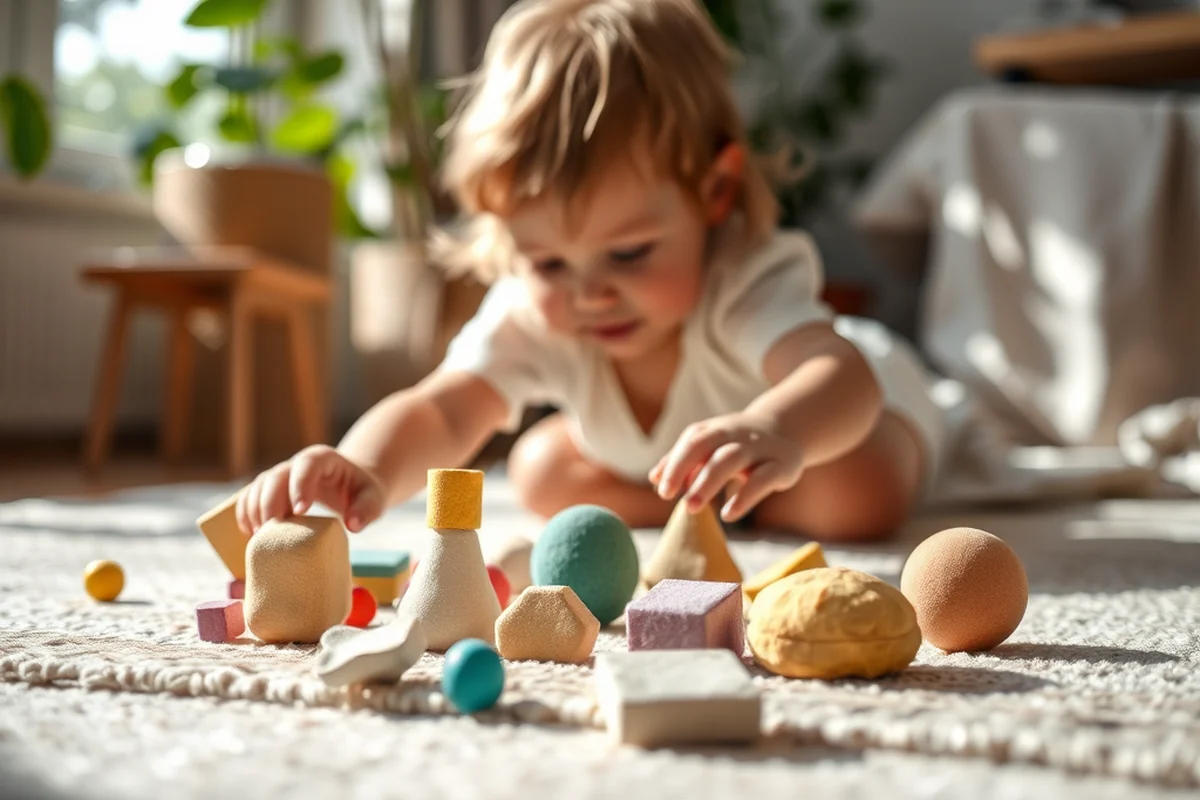
Edible art materials are made from ingredients that are safe to consume, like rice paper, food-grade clay, and edible paints. I tried a few of these, and my toddler was thrilled to use them because they had no harsh chemicals or strange smells. One product I used was made from rice paper and water, which she could easily eat without any issues.
I found that edible art materials are often more expensive than regular art supplies, but they’re worth the investment for safety. One product I tested was a water-based, food-grade clay that felt soft and safe to touch. It was easy to clean up and didn’t leave any sticky residue. I also noticed that edible art materials are more durable and easier to store for future use.
When selecting edible art materials, it's important to look for products that are labeled as safe for children and that have been tested for durability. I recommend buying from reputable brands that specialize in edible art supplies, as they are more likely to meet safety standards and provide a better experience for your child.[1]
Edible art materials are a safe and creative way for your child to explore the world.
Related: Edible art cake shop
The Importance of Certifications and Labels
Certifications like FDA approval or ASTM International standards indicate that a product has been tested and is safe for use by children. I always check for these labels before purchasing any art supplies, especially for my toddler. One product I bought had an ASTM D-4236 certification, which means it's been tested for safety and is suitable for use by children.[2]
Labels on art materials provide important information about their safety, composition, and proper use. I've found that products with clear, detailed labels are more trustworthy. One label I saw mentioned that the product was free from lead, phthalates, and other harmful chemicals. This information was reassuring and helped me feel more confident about using it.
Not all products with a 'non-toxic' label are safe if ingested. I learned this the hard way when I let my toddler use a non-toxic poster paint, which made her sick. This experience taught me the importance of looking for specific certifications and reading labels carefully before allowing my child to use any art material.
Make sure the label clearly states that the product is safe for children and provides information about its ingredients and certifications. This helps ensure that your child can use the material safely.
“I remember the first time my toddler tried to eat the glue on a poster I had made for her birthday.”— Messysenses editors
Related: Taste safe sensory materials
Creating a Safe Art Environment
Creating a safe art environment involves keeping all materials out of reach of young children and ensuring that only taste-safe and edible art supplies are used. I made it a habit to store all art supplies in a locked cabinet and only brought out the taste-safe ones when my toddler was supervised. This helped prevent accidental ingestion and kept my child safe.
I also made sure to clean up after each art session to prevent any leftover materials from being left out. One time, I found my toddler trying to eat some old, dried-up paint that had been left on a table. This taught me the importance of cleaning up thoroughly after each session.
Setting up a safe art environment also involves teaching your child about the importance of not putting art materials in their mouth. I used simple, age-appropriate language to explain that some materials are safe to touch, but not to eat. This helped my toddler understand the difference and stay safe.
Related: Edible art projects for kids
Choosing the Right Art Supplies for Your Child's Age
Art supplies should be chosen based on your child's age and developmental stage. For toddlers, I recommend using edible art materials that are easy to handle and clean up. One product I used was a water-based, food-grade clay that was safe for my toddler to touch and even eat.
For older children, I recommend using taste-safe art supplies that are non-toxic and safe for use around the house. I found that some non-toxic poster paints were suitable for my 5-year-old, but I always made sure to read the labels carefully and check for certifications.
It's important to choose art supplies that are appropriate for your child's age and developmental stage. I always check the manufacturer's recommendations and ensure that the materials are safe for use by children of that age.
Related: Something edible gift ideas
Teaching Your Child About Safe Art Practices
Teaching your child about safe art practices is essential to ensure their safety and well-being. I made it a point to explain to my toddler that art materials are for drawing and painting, not for eating. I used simple language and repeated the message often, which helped her understand the rules.
I also used positive reinforcement to encourage safe behavior. Whenever my toddler followed the rules, I praised her and gave her a small reward. This helped reinforce the message and made it easier for her to remember.
Teaching your child about safe art practices also involves being a role model. I always followed the same rules myself and never put art materials in my mouth. This helped my toddler understand that it's not safe to do so and that we all need to follow the same rules.
Teaching your child about safe art practices is a vital part of creating a safe and enjoyable art environment.
Related: How to make edible plastic
Staying Up-to-Date with Art Material Safety Standards
Staying up-to-date with art material safety standards is important to ensure that the products you use are safe for your child. I make it a habit to check the manufacturer's website and read any updates or recalls about the products I use. This helps me stay informed and make better choices.
I also look for products that have been tested and certified by independent laboratories. One product I used had a third-party safety certification that assured me it was safe for my toddler. This gave me peace of mind and helped me feel more confident about using the product.
Staying up-to-date with art material safety standards also involves being aware of any new regulations or changes in safety standards. I always check for updates and ensure that the products I use meet the latest safety requirements.
👶 Gentle Approach
This approach is ideal for very young children who need careful supervision and easy-to-use, safe art materials.
⏰ Fast-Track Method
A quick and efficient way to set up a safe art environment without spending too much time on preparation.
🧳 Travel/away-from-home
A portable and safe art solution that's perfect for on-the-go parents and children who love to create anywhere.
👨👩👧👦 Multiples Approach
This method is ideal for families with multiple children who need safe and accessible art supplies for each child.
🔄 Regression Reset
A method for resetting your child's art habits and ensuring they understand and follow safe art practices consistently.
| The mistake | Why it happens | The fix |
|---|---|---|
| Not reading product labels carefully. | Product labels provide important information about the safety, composition, and proper use of the material. | Always read product labels carefully before purchasing or using any art material with your child. |
| Not cleaning up after each art session. | Leftover art materials can be accidentally ingested by your child if not cleaned up properly. | Always clean up after each art session to prevent any leftover materials from being left out. |
How To Taste-Safe & Edible Art Materials
Common Questions
What makes an art material taste-safe?
How can I tell if an art material is edible?
What should I look for on product labels?
How can I create a safe art environment at home?
References
- Visual Design Cues Impacting Food Choice: A Review and Future ... (pmc.ncbi.nlm.nih.gov)
- california retail food code - Lake County (lakecountyca.gov)
Cite this guide
Messysenses (2026). How To Taste-Safe & Edible Art Materials. https://messysenses.com/how-to-taste-safe-edible-art-materials/
Feel free to cite or share this guide.