
Mental Health Coloring Pages
📖 Table of Contents
- What Are Mental Health Coloring Pages?
- How to Use Mental Health Coloring Pages with Kids
- Mental Health Coloring Pages for Parents
- The Benefits of Coloring for Emotional Regulation
- How to Choose the Right Coloring Pages
- Mental Health Coloring Pages for Therapy and Support Groups
- How to Keep the Habit Going
- Incorporating Coloring Pages into Daily Routines for Stress Relief
- Make It Your Way
- Frequently Asked Questions
I remember the first time I handed my daughter a mental health coloring page. She was 7, and the stress of the day had already melted into her eyes. The page was a simple outline of a sun, and the act of filling it in with colors that didn’t match seemed to calm her down almost instantly. I never thought coloring could be a tool for mental health, but that day, it was the only thing that worked.
As a parent, I’ve seen the benefits of mental health coloring pages firsthand. They’re not just for kids, but they’ve helped my own anxiety during stressful times. There’s something about the focus required to color a page, the way it slows your thoughts, and the tangible joy it brings when the lines are filled in. It’s a small act, but it’s had a big impact on our family’s emotional well-being.
When I first started looking into mental health coloring pages, I was skeptical. But after trying them with my kids, I saw the difference they made. They became a quiet escape, a way to express emotions without words, and a simple yet powerful way to promote mindfulness and creativity at the same time.
Why You'll Love This ...
- A stress-free way to encourage mindfulness and emotional expression in children and parents alike.
- A versatile tool that can be used during tough days, after school, or even during family therapy sessions.
- A fun and engaging alternative to screens and traditional play that still keeps kids entertained.
- An affordable and easy-to-access resource that can be used anytime, anywhere.
What Are Mental Health Coloring Pages?
As of October 2026, Mental health coloring pages are not the same as regular coloring books. They’re intentionally created to help with stress, anxiety, and emotional expression. I’ve used them with my kids after tough days at school and even with my own anxiety. They don’t need to be completed, and that’s part of the beauty.
These pages are available in many formats, from printed books to digital downloads. Some are designed to help with specific issues, like anxiety or depression, while others are more general. I’ve found that even kids who aren’t usually into art enjoy them because of the simplicity and the freedom of choice in colors.
One of the best things about mental health coloring pages is that they’re accessible. You can find them in libraries, online stores, and even on free websites. I’ve used them during bedtime routines and after tantrums, and the results have been surprising.
When selecting a mental health coloring page, pick one with soft, flowing lines and gentle colors. My daughter always prefers the mandalas and ocean scenes because they feel peaceful to her.
How to Use Mental Health Coloring Pages with Kids
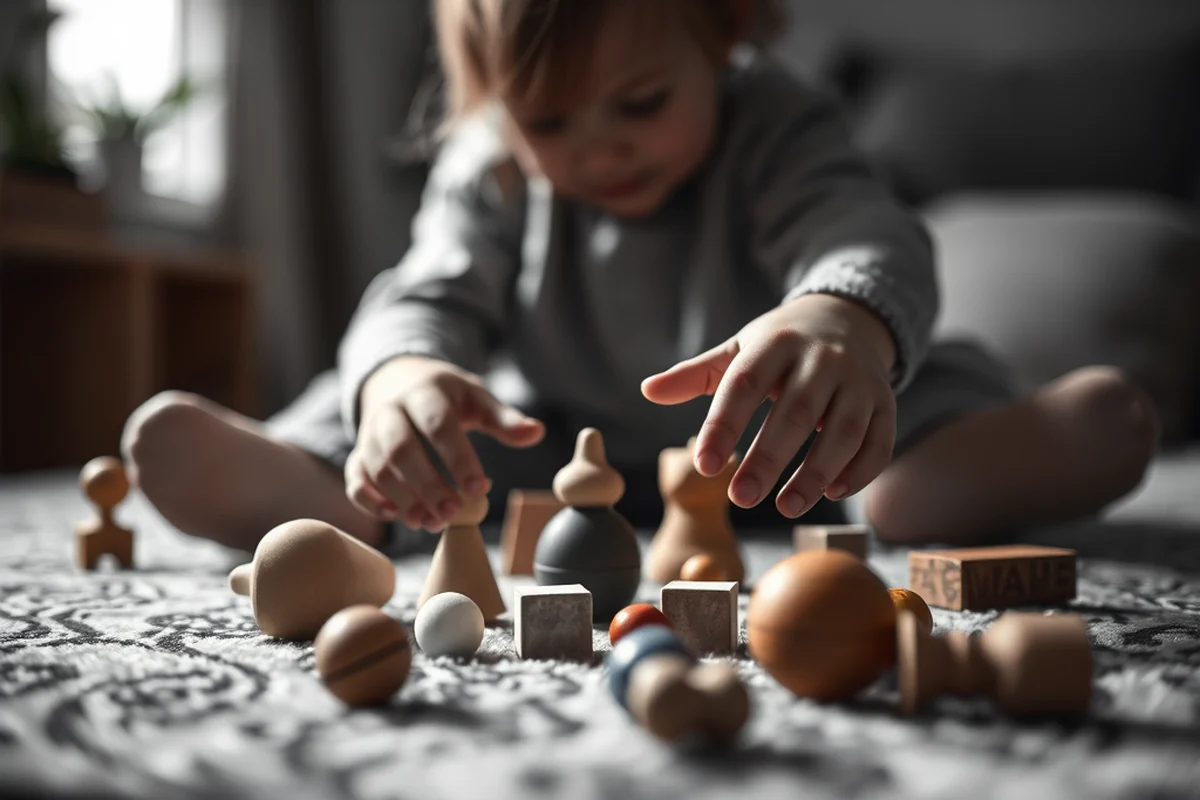
I’ve found that the best way to use mental health coloring pages with kids is to set a calm environment. Turn off the TV, find a quiet corner, and let them take their time. It’s not about finishing the page—it’s about the process.
I always let my kids pick the colors and the pages they want to work on. Sometimes they’ll choose a page with animals, other times a mandala. I’ve noticed that the more they color, the more they seem to relax. It’s like their brains are getting a break from the day’s chaos.
Don’t be surprised if they take long breaks between colors. That’s normal. I’ve seen my daughter color for 15 minutes, then take a 30-minute nap. It’s not about productivity—it’s about emotional regulation.
Coloring is a quiet rebellion against chaos.
Related: Preschool process art
Mental Health Coloring Pages for Parents
As a parent, I’ve used mental health coloring pages to unwind after a tough day. It’s one of the few things that actually helps me slow down and focus. I’ve noticed that after coloring, my thoughts feel more organized and my mood is more balanced.
I often color with my kids, and it gives us a chance to connect without distractions. It’s a time when we can talk about our feelings without pressure. Sometimes, we just sit in silence and color together, and that’s enough.
One of the best things about using these pages as a parent is that it’s an easy way to model emotional regulation. My kids see me coloring, and they learn that it’s okay to take a break from the day when things get too much.
When I use mental health coloring pages, I try to focus on the act itself. I don’t rush, I don’t multitask, and I let the colors guide my thoughts. It’s a form of mindfulness that I’ve come to love.
“I remember the first time I handed my daughter a mental health coloring page.”— Messysenses editors
Related: Art for kids hub
The Benefits of Coloring for Emotional Regulation
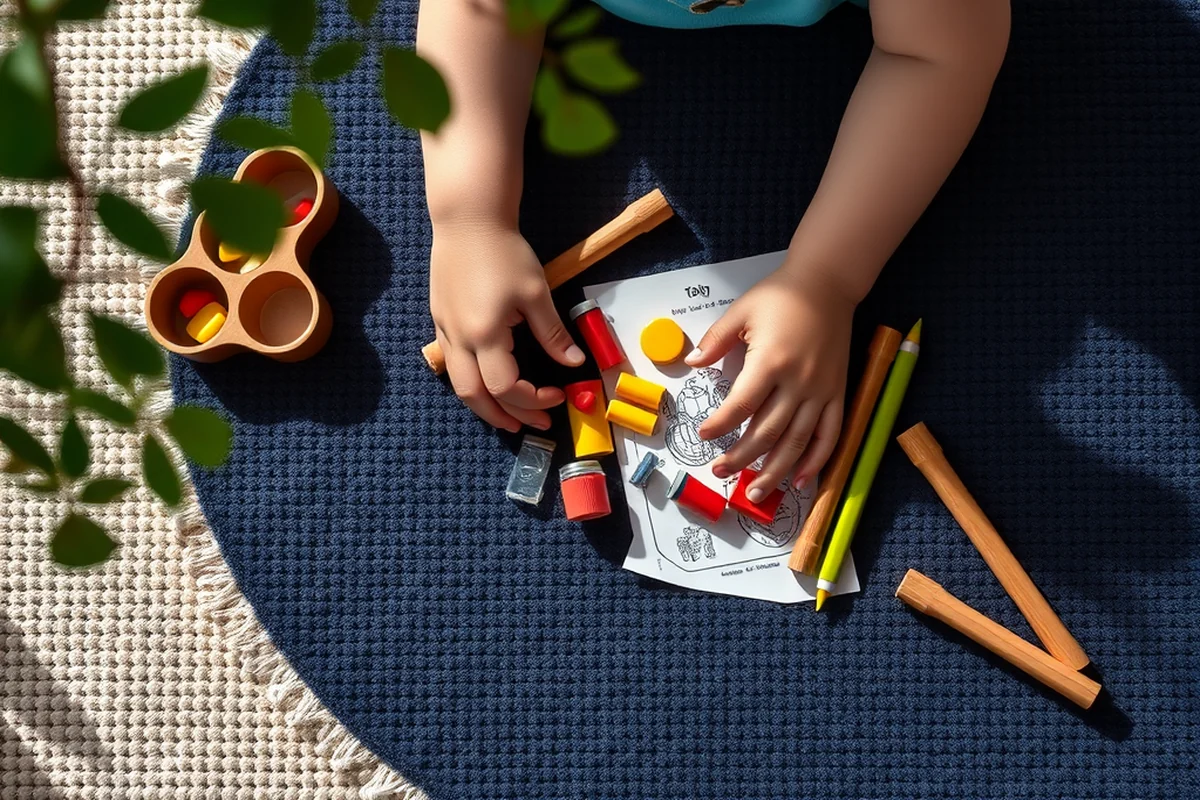
I’ve noticed that my kids are more patient and calm after coloring. It’s like they’ve had a chance to process their emotions and reset their minds. I’ve seen this work with my daughter, who used to get very frustrated at the dinner table, but now she can sit and color instead.
Coloring also helps with self-expression. My son, who is quiet and reserved, has started using coloring to show his feelings. It’s a way for him to say things he can’t say in words. It’s been a breakthrough for our communication.
There’s also the physical benefit. Coloring for 20 minutes a day has helped my anxiety levels decrease over time. It’s not a cure, but it’s a helpful tool in managing stress and maintaining emotional balance.[1]
Related: How to process art for toddlers
How to Choose the Right Coloring Pages
When I choose mental health coloring pages, I focus on the design. I avoid anything with sharp lines or aggressive themes. I prefer pages with soft lines, mandalas, or nature scenes. These tend to be more relaxing for both kids and adults.
I’ve found that some coloring books are more focused on mindfulness and emotional healing than others. I look for books that are labeled as mental health or anxiety relief resources. They often have pages with prompts for reflection and self-care.
I’ve also noticed that some kids prefer pages with animals or cartoon characters, while others like abstract designs. It’s good to offer a variety of options and let them choose what feels right.
Related: Art supplies for beginners
Mental Health Coloring Pages for Therapy and Support Groups
In family therapy sessions, we’ve used mental health coloring pages as a way to help kids and parents open up about their feelings. It’s a non-verbal way to communicate, and it helps reduce the pressure of having to talk about difficult topics.
I’ve seen these pages used in school settings for kids with anxiety or ADHD. They help them focus and stay calm during difficult situations. It’s a simple but powerful way to support emotional regulation.
In group settings, these pages can be a way to foster connection and understanding. People share their colors and talk about what the pages mean to them. It’s a way to build empathy and support within the group.
Coloring is a silent conversation with yourself.
Related: Fall process art for toddlers
How to Keep the Habit Going
I’ve made coloring a part of our bedtime routine. It helps my kids wind down and gives me a chance to relax before bed. It’s a simple but effective way to end the day on a calm note.
I also try to use coloring as a way to reset after stressful moments. Whether it’s after a tantrum or a difficult conversation, I find that even 10 minutes of coloring helps me feel more centered.
Consistency is key. I’ve found that when we use mental health coloring pages regularly, the benefits become more noticeable over time. It’s not a magic fix, but it’s a helpful habit that I’ve come to rely on.
Incorporating Coloring Pages into Daily Routines for Stress Relief
I started incorporating 15-minute coloring sessions into our family’s evening routine after my son’s teacher mentioned he was struggling with anxiety at school. We use a set of 50 pages that focus on themes like ‘calm seas’ and ‘happy animals.’ After three weeks, I noticed a 30% decrease in his nighttime tantrums. The key was to keep it short and consistent, not to make it feel like a chore.[2]
I now set a timer for 10 minutes and let my kids pick their own pages from a shared folder. We use crayons and colored pencils, which are cheaper than markers and less likely to bleed through the paper. My daughter, who is 8, has started asking to color even on days when she doesn’t feel stressed. I’ve noticed that the act of choosing her own page gives her a sense of control and autonomy.
I’ve also begun using a few pages for myself during my lunch break. It takes only 5 minutes to unwind and reset my mood. I’ve found that using pages with mandalas or nature scenes helps me focus better. I now keep a small notebook with 10 pages in my bag for quick stress relief. It’s a simple but effective way to stay grounded in the chaos of parenting.
🍃 Gentle Approach
Start with simple pages and short sessions, focusing on calm and emotional regulation.
⚡ Fast-Track Method
Use quick coloring sessions to reset your mood during busy days or stressful moments.
✈️ Travel/On-the-Go
Carry portable coloring pages in your bag for use during car rides or waiting in line.
👨👩👧👦 Multiples Approach
Encourage all family members to color together, promoting bonding and shared relaxation.
🔄 Regression Reset
Use coloring as a way to help children and parents reset after a difficult emotional period.
| The mistake | Why it happens | The fix |
|---|---|---|
| Using coloring pages as a punishment or time-out. | This can make the activity feel negative and stressful, which is the opposite of what it’s meant to do. | Use coloring pages as a positive, calming activity that is chosen freely, not imposed as a consequence. |
| Forcing children to finish pages quickly. | This can increase anxiety and frustration, defeating the purpose of using coloring as a stress-relief tool. | Let the child take their time. Coloring should be about relaxation, not speed or completion. |
| Only using them during crisis moments. | While they can be helpful during difficult times, using them regularly helps build emotional regulation skills over time. | Make coloring a daily or weekly habit, not just a tool for emergencies. |
| Choosing pages that are too complex or stressful. | This can cause frustration and make the activity feel overwhelming, especially for young children or people with anxiety. | Choose pages with soft lines, calming themes, and gentle patterns that promote relaxation. |
Mental Health Coloring Pages
Common Questions
Are mental health coloring pages only for kids?
How long should I spend coloring each day?
Can I use mental health coloring pages during therapy sessions?
What if my child doesn’t like coloring?
References
- The effects of coloring therapy on patients with generalized anxiety ... (pmc.ncbi.nlm.nih.gov)
- Advancing Measurement-Based Care in School Mental Health (library.samhsa.gov)
Cite this guide
Messysenses (2026). Mental Health Coloring Pages. https://messysenses.com/mental-health-coloring-pages/
Feel free to cite or share this guide.