
Process Art For Infants And Toddlers
📖 Table of Contents
- What is Process Art for Infants and Toddlers?
- The Benefits of Process Art for Infants and Toddlers
- How to Set Up a Process Art Area for Infants and Toddlers
- Sensory Exploration Through Process Art
- Encouraging Creativity Through Process Art
- Process Art and Emotional Expression
- Making Process Art a Regular Part of Your Routine
- Navigating Challenges and Setting Realistic Expectations
- Make It Your Way
- Frequently Asked Questions
I remember the first time my daughter smeared paint across the kitchen floor, giggling as she dipped her fingers in a puddle of blue and dragged them across the tiles. It wasn't about the finished product — it was about the joy in her eyes, the way her tiny fingers explored texture and color. That moment was my first real introduction to process art for infants and toddlers, and it's been a journey I've never looked back from.[2]
Process art for infants and toddlers is more than just a creative outlet — it's a way to connect, explore, and learn through sensory experiences. It's messy, it's unpredictable, and it's beautiful. As a parent, I've learned that the real magic happens not in the final creation but in the moments of discovery, the giggles, the squelches, and the way little hands move with purpose.[3]
Over the years, I've experimented with different materials, textures, and methods, and I've found that the key is to let go of expectations. Process art for infants and toddlers isn't about making a masterpiece — it's about creating a space where exploration is encouraged, and where children can learn to love their own creativity.[4]
Why You'll Love This Approach to Process Art
- Encourages unstructured creativity and self-expression
- Strengthens sensory development through tactile and visual exploration
- Builds confidence and independence as children learn to make choices and explore materials
- Creates a bond between parent and child through shared, messy fun
What is Process Art for Infants and Toddlers?
As of October 2026, Process art for infants and toddlers is about the journey, not the destination. It involves using materials that can be touched, squished, painted, or explored in any way the child chooses. This could be anything from finger paints and clay to rice and fabric scraps.
I've noticed that even the youngest babies can engage in process art — they might swipe a finger through a bowl of cornstarch, or grasp a handful of dried beans. The key is to provide a safe, accessible environment where they can explore freely.
One of the best parts about process art for infants and toddlers is that it doesn't require any artistic skill or knowledge. It's about discovery, and the joy comes from the child's own experience with the materials.
Begin with a small selection of sensory-friendly items, such as water, playdough, or crumpled paper. Let your child explore and experiment at their own pace.
The Benefits of Process Art for Infants and Toddlers
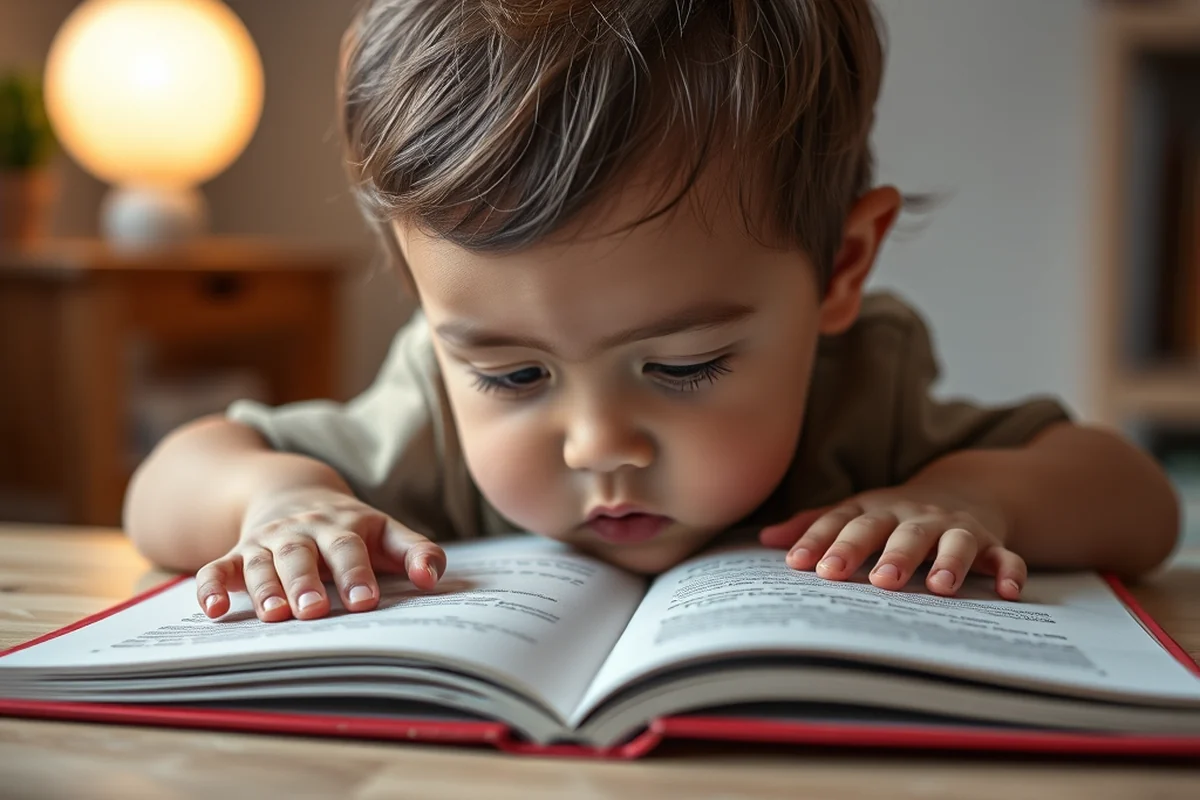
I've seen firsthand how process art for infants and toddlers can help little ones develop their motor skills, hand-eye coordination, and even language. When my son played with squishy foam, he began to name the different textures and colors, which surprised me.
The freedom to explore materials without judgment helps children learn to take risks and problem-solve. When my daughter tried to roll a ball of clay into a snake, she didn't care that it wasn't perfect — she was just happy it was hers.
Process art for infants and toddlers also helps children express emotions in a safe way. My daughter once made a messy, colorful mess after a long day at daycare, and it was her way of releasing frustration and joy all at once.
Process art is a child's way of saying, 'I’m here, I’m exploring, and I’m full of wonder.'
Related: Art for kids hub
How to Set Up a Process Art Area for Infants and Toddlers
I set up a small corner of our living room as a process art area, using a low table and a few bins of safe, sensory materials. It's important to choose a space that's easy to clean and where the child can move around freely.
I've found that using a waterproof mat or a few old towels on the floor can make cleanup a breeze. It's also helpful to have a few small containers for mixing and playing with different materials.
One of the most important things I learned is to keep the process art area accessible — my daughter loves to reach for the materials on her own. It gives her a sense of independence and control.
Use open-ended materials that can be used in a variety of ways, such as water, sand, or fabric. Avoid anything that requires instructions or a specific outcome.
“I remember the first time my daughter smeared paint across the kitchen floor, giggling as she dipped her fingers in a puddle of blue and…”— Messysenses editors
Related: How to process art for toddlers
Sensory Exploration Through Process Art
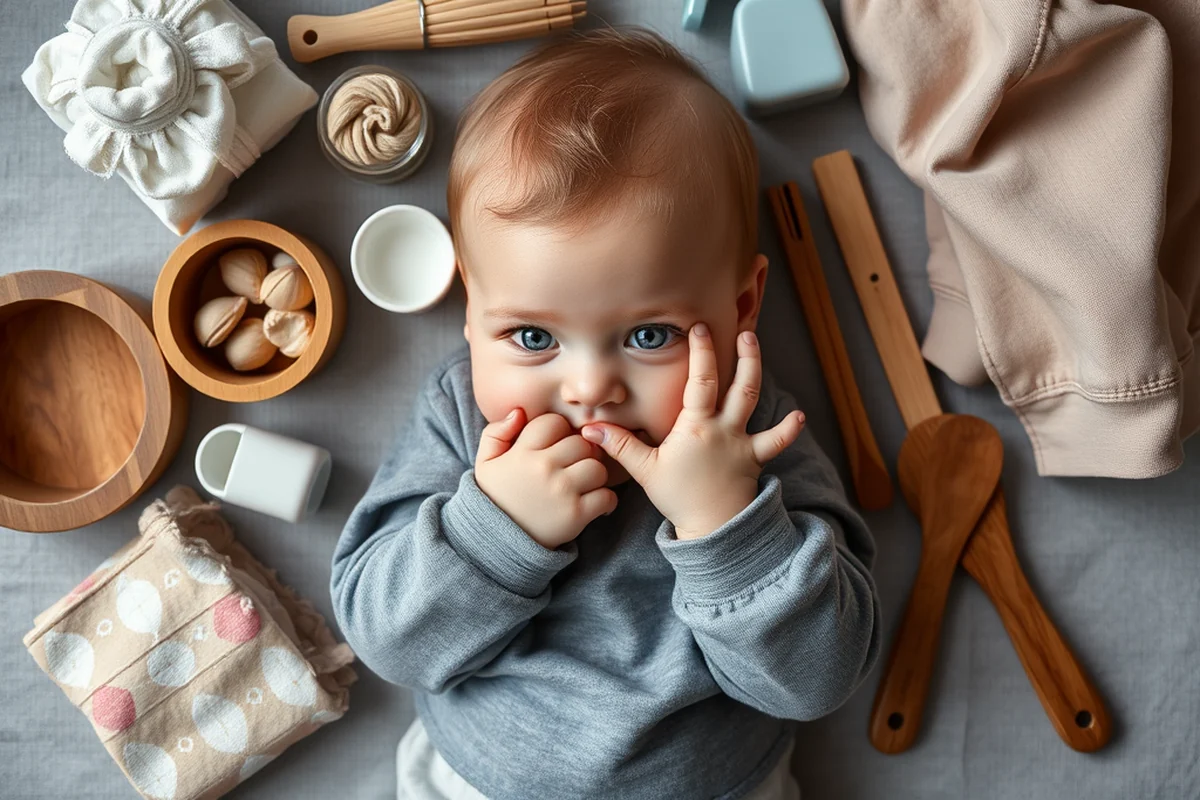
One of the most fascinating things about process art for infants and toddlers is how it engages the senses. I've watched my son explore the different textures of fabric, sand, and water, and I've noticed how his curiosity grows with each new experience.
When I introduced my daughter to a tray filled with rice and small plastic animals, she spent hours pretending to feed the animals and digging for hidden toys. It was a simple setup, but it was full of discovery and learning.
Sensory exploration through process art also helps children develop their fine motor skills. My daughter has been improving her hand strength and dexterity by squeezing, rolling, and pressing different materials.
Related: Art supplies for beginners
Encouraging Creativity Through Process Art
I've found that the best way to encourage creativity through process art is to let go of expectations. My daughter once took a jar of paint and poured it all over the table — it was messy, but it was also a moment of pure joy.
When I sit with my son during process art time, I try to be a co-creator rather than a director. I ask questions like, 'What does this feel like?' or 'What do you think you can make with this?' It helps him think and explore without being told what to do.
Encouraging creativity through process art also helps children build confidence. When my daughter showed me a painting she made by dipping her fingers in water and shaking them, I was proud of her curiosity and imagination.
Related: Fall process art for toddlers
Process Art and Emotional Expression
I've noticed that my daughter often uses process art as a way to express her emotions. When she was feeling overwhelmed, she would make a big mess with paint or clay — it was her way of letting go.
Process art for infants and toddlers also helps children learn to manage their feelings. When my son was upset, I encouraged him to press his hands into a bowl of playdough — it was a way for him to express his frustration and calm himself down.
Through process art, children can learn that it's okay to have big emotions and that they can use creative outlets to manage them. It's a nonverbal way for them to communicate what they're feeling.
Process art helps children say what they can't yet speak — with their hands, their feet, and their whole bodies.
Related: Easy process art for preschoolers
Making Process Art a Regular Part of Your Routine
I've found that making process art a regular part of our day helps my daughter feel grounded and connected. We have a set time each afternoon when we do some kind of process art, and it's become a special ritual for us.
One of the best things about making process art a regular part of your routine is that it helps children develop a sense of security. They know that they can explore and create without being judged or corrected.
Including process art in your daily routine also helps parents and children bond. It's a time when we can sit together, laugh, and explore without the pressure of schedules or responsibilities.
Navigating Challenges and Setting Realistic Expectations
One of the biggest challenges I faced was managing the mess. I learned that using a waterproof drop cloth and limiting the area to a small space made cleanup easier. I also set a strict 20-minute time limit to prevent overwhelm and ensure we had enough time to clean up before dinner. This helped my toddler understand boundaries and created a sense of structure in her play.[1]
Another challenge was dealing with frustration when a child didn’t engage as expected. I discovered that sometimes, it’s not about the activity itself but the timing. If my child was tired or overstimulated, even the most engaging process art could be met with resistance. I started scheduling these sessions during her most alert time of the day — usually right after a nap — and noticed a significant improvement in her engagement and enjoyment.
Lastly, I had to adjust my expectations about the outcome. Process art isn’t about creating a finished product; it’s about the experience. I learned to focus on the joy of the process rather than the result. For instance, when my child “painted” with yogurt and left a mess on the floor, I saw it as a learning opportunity rather than a disaster. I praised her for her creativity and we cleaned it together — a lesson in responsibility and resilience that I hadn’t anticipated.
🧘 Gentle Approach
For babies and toddlers who are just beginning to explore their environment, a gentle approach with soft, safe materials like crinkly paper and soft fabric is ideal.
⏱️ Fast-Track Process Art
For parents with limited time, a quick process art session with items like water, paper towels, and paint can be done in just a few minutes.
✈️ Travel/away-from-home Process Art
When on the go, use items like wet wipes, paper, and small containers of dry materials to create a process art experience even in a hotel or park.
👶 Process Art for Multiples
When caring for multiple children, process art can be a great way to provide individual time for each child while also encouraging collaboration and sharing.
🔄 Regression Reset Process Art
When a child is going through a developmental plateau, process art can help them re-engage and explore in a new way, rekindling their curiosity and creativity.
| The mistake | Why it happens | The fix |
|---|---|---|
| Trying to force a specific outcome. | Children may become frustrated or disinterested if they feel like they're being pushed to make something specific. | Let your child explore freely and embrace the mess. Focus on the process, not the result. |
| Using too many materials at once. | This can overwhelm a child and make it difficult for them to focus on any one material. | Start with just one or two materials and gradually introduce more as your child becomes more comfortable. |
| Not allowing enough time for exploration. | Children need time to engage with materials and explore at their own pace. | Give your child 15–20 minutes of uninterrupted time to explore and create. |
| Not cleaning up after the session. | Leaving materials scattered can be a safety hazard and may discourage future process art sessions. | Set up a routine for cleanup, and involve your child in the process so they learn responsibility. |
Process Art For Infants And Toddlers
Common Questions
What materials are safe for process art with infants and toddlers?
How often should I do process art with my child?
Can process art help with speech development?
What if my child refuses to participate in process art?
References
- Working Toward a Definition of Infant/Toddler Curricula (acf.gov)
- Hello Toddler 1 families! - Child Development and Family Center - (cdfc.news.niu.edu)
- Preparing the Environment - Child Care Technical Assistance Network (childcareta.acf.hhs.gov)
- Arizona Early Learning Standards Module Professional ... (cms.azed.gov)
Cite this guide
Messysenses (2026). Process Art For Infants And Toddlers. https://messysenses.com/process-art-for-infants-and-toddlers/
Feel free to cite or share this guide.