
Process Art For 2 Year Olds
📖 Table of Contents
- What Is Process Art For 2 Year Olds?
- Why Process Art For 2 Year Olds Is Different From Structured Art
- How Process Art For 2 Year Olds Builds Skills
- The Benefits Of Process Art For 2 Year Olds
- How To Set Up A Process Art Station For 2 Year Olds
- How To Handle The Mess Of Process Art For 2 Year Olds
- Make It Your Way
- Frequently Asked Questions
I remember the first time my daughter dipped her hands into a pot of cornstarch and flour and said, 'Look, Mama, it's snow!' That moment, messy and unplanned, was pure process art for 2 year olds — and it became one of the most meaningful parts of our day. It wasn't about the final product, but the joy of exploration, the squelch of wet paint, the mess of glue, and the way her curiosity lit up the room. Process art for 2 year olds is not a craft to finish, but a journey to embrace, and it's something I've come to realize is as valuable as it is unstructured.[3]
When I first tried introducing process art for 2 year olds, I was overwhelmed by the mess, the lack of direction. The expectation that it needed to be 'perfect.' But over time, I learned that process art isn't about the end result — it's about the journey, the textures, the colors, and the way my child's brain was firing with every smear of paint or scoop of clay. It's an activity that doesn't require instruction, but rather encouragement and space. And the more I let go of expectations, the more I saw her flourish in ways I never anticipated.[4]
Process art for 2 year olds is not just about the materials — it's about the freedom, the creativity, and the way it builds confidence, motor skills, and emotional intelligence. I've watched her go from a hesitant toddler who needed help to a confident little artist who can now mix her own colors, pick up a brush, and explore with purpose. It's not about the final product — it's about the joy, the mess. The way her little hands and mind are growing with every drop of paint, every squish of clay, and every moment she gets to be herself.[5]
Why You'll Love This Approach to Art for Toddlers
- It builds fine motor skills, hand-eye coordination, and sensory development in a natural way.
- It encourages creativity, self-expression, and emotional regulation through unstructured exploration.
- It reduces stress for parents by eliminating the need to manage 'perfect' outcomes or clean-up expectations.
- It's accessible, affordable, and adaptable to any home environment, no special equipment required.
What Is Process Art For 2 Year Olds?
As of October 2026, Process art for 2 year olds is not about the final product, but the journey of discovery. It's the joy of a toddler mixing colors on a paper plate, the mess of paint on the floor, and the freedom to explore with no rules or expectations. My daughter used to sit for hours in front of a bin of kinetic sand, digging, shaping, and exploring without ever being told what to do. It's about letting her brain and hands move freely, without pressure or judgment.
Unlike structured art projects that require following instructions, process art for 2 year olds is about open-ended exploration. It can be as simple as a tray of water and food coloring, a bowl of glue and cotton balls, or a canvas covered in paint. The goal is not to create a 'masterpiece' but to engage in the process of discovery, experimentation, and creativity. My daughter once spent an entire morning dipping her hands into a mix of cornstarch and water, and I didn't even have to clean up — the mess was part of the experience.
Process art for 2 year olds is also a great way to build sensory skills, motor coordination, and emotional regulation. When she was 2, I gave her a bowl of shaving cream and a few cookie cutters. She spent 30 minutes pressing, shaping, and exploring, and I saw her develop fine motor skills I never thought she'd have that early. It was messy, but it was worth it.[1]
Try a sensory bin with kinetic sand, water beads, or a mix of cornstarch and water. Add a few plastic animals, spoons, and containers to encourage exploration. Let your toddler dig, scoop, and create freely — no rules, no pressure.
Why Process Art For 2 Year Olds Is Different From Structured Art
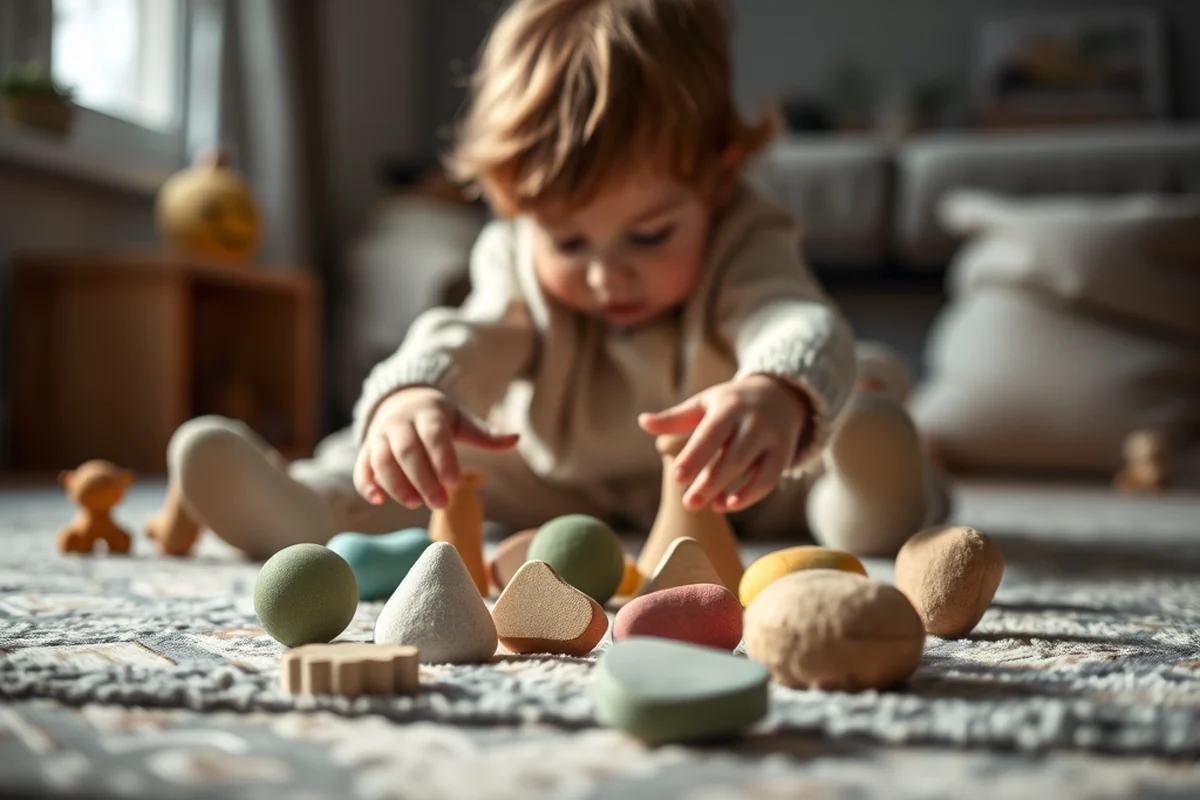
Structured art for toddlers is all about creating something specific — like a rainbow, a flower, or a picture of a cat — and following instructions to get there. Process art for 2 year olds is the opposite. It's about the act of creating, not the final product. When I first tried structured art with my daughter, she got frustrated and stopped participating. But when I switched to process art, she started exploring again, and her creativity flourished.
The difference is clear: with structured art, you're telling your toddler what to do. With process art for 2 year olds, you're giving them the freedom to explore. I remember one day when I let her sit with a tray of paint and brushes, and she spent an hour creating without any direction. She wasn't worried about making a mess or getting it 'right' — she was just enjoying the process. That was when I realized the power of process art for 2 year olds.
Another key difference is that process art for 2 year olds doesn't require the child to follow instructions. It's about letting them explore, make mistakes, and create freely. It's a form of creative play that builds confidence, creativity, and self-expression without the pressure of perfection.
Process art for 2 year olds is about the journey, not the destination.
Related: Process art activity for preschool
How Process Art For 2 Year Olds Builds Skills
Process art for 2 year olds is one of the best ways to build fine motor skills, hand-eye coordination, and sensory development. When my daughter was 2, I gave her a tray of water and food coloring. She spent 20 minutes mixing the colors, dipping her fingers, and exploring the textures. I saw her hand strength and coordination improve over time as she practiced using different tools and materials.[2]
Process art for 2 year olds also helps with sensory development. When she was 2, I gave her a sensory bin with kinetic sand and a few plastic animals. She spent an hour digging, shaping, and exploring the sand. It was messy, but it was a great way to develop her sensory skills and understand different textures.
In addition, process art for 2 year olds helps with emotional regulation. When my daughter was 2, she used to get frustrated when she couldn't create something perfect. But with process art, she learned to accept imperfection, explore freely, and express herself without the pressure of perfection. It was a huge shift in her emotional development.
Provide your toddler with a variety of tools, like brushes, sponges, and spoons, to explore different textures and materials. Let them choose what they want to use — it's all about the process, not the outcome.
“I remember the first time my daughter dipped her hands into a pot of cornstarch and flour and said, 'Look, Mama, it's snow!' That moment…”— Messysenses editors
Related: Process art for toddlers spring
The Benefits Of Process Art For 2 Year Olds
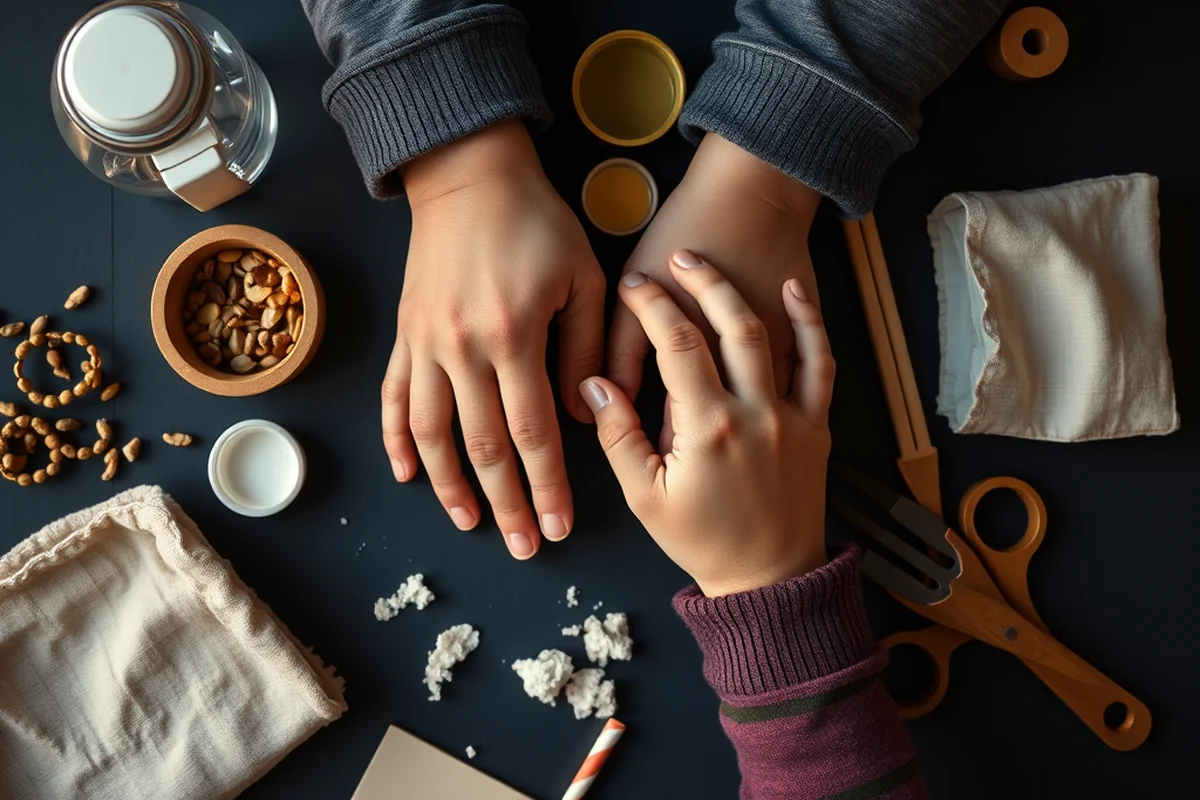
Process art for 2 year olds is one of the best ways to promote creativity and self-expression in toddlers. When my daughter was 2, I gave her a tray of paint and brushes, and she spent an hour creating without any instruction or pressure. She didn't care about making it 'perfect' — she just enjoyed the process of exploring and expressing herself.
Another benefit of process art for 2 year olds is that it helps with emotional regulation. When my daughter was 2, she used to get frustrated when she couldn't create something perfect. But with process art, she learned to accept imperfection, explore freely, and express herself without the pressure of perfection. It was a huge shift in her emotional development.
Process art for 2 year olds is also a great way to promote creativity and self-expression in toddlers. When I gave my daughter a tray of kinetic sand and a few plastic animals, she spent an hour digging, shaping, and exploring. It was messy, but it was a great way to develop her creativity and self-expression.
Related: Process art for toddlers for beginners
How To Set Up A Process Art Station For 2 Year Olds
Setting up a process art station for 2 year olds is simple, but it requires some thought and planning. I started with a low table or a mat on the floor, and I placed a few open-ended materials on the table — like paint, kinetic sand, or a sensory bin. I made sure the table was at the right height so my daughter could reach and explore freely.
I also made sure to provide a few tools, like brushes, sponges, and spoons, to encourage exploration and creativity. I didn't have any specific instructions — I just let her choose what she wanted to use. The goal was to give her freedom to explore and create without any pressure or expectations.
One of the most important things I did was to keep the process art station accessible and safe. I used materials that were non-toxic and easy to clean up. I also made sure the table was sturdy and the materials were easy to handle. It was a small investment, but it made a big difference in her creative development.
Related: Educational posters for classroom
How To Handle The Mess Of Process Art For 2 Year Olds
Handling the mess of process art for 2 year olds is one of the biggest challenges parents face. I used to worry about the mess, but over time, I learned that it's part of the experience. When my daughter was 2, I gave her a tray of paint and brushes, and she spent an hour creating without any instruction or pressure. I made sure the table was covered with a plastic sheet or a mat, and I used materials that were easy to clean up.
I also made sure to provide a few wipes and a bucket of water nearby, so I could clean up quickly. It was a small investment, but it made a big difference in my daughter's creative development. I learned that the mess was part of the experience, and it was worth it to see her explore freely.
One of the most important things I did was to let the mess be part of the process. I didn't worry about cleaning up right away — I let my daughter enjoy the mess and the experience. It was messy, but it was a great way to develop her creativity and self-expression.
🎨 Gentle Process Art
A slow, sensory-focused approach using soft materials like kinetic sand, finger paints, and water beads for a calm and comforting experience.
⏱️ Fast-Track Process Art
Quick, no-mess options like watercolor paper, pre-made paint palettes, and wipe-clean tables for busy parents who need flexibility.
🧳 Travel/away-from-home Process Art
Portable kits with materials like washable markers, mini paint tubes, and lightweight art supplies for on-the-go creativity during trips or outings.
👯♀️ Process Art For Multiples
Shared art stations with multiple materials and tools for siblings to explore and create together, encouraging collaboration and social skills.
🔄 Regression Reset Process Art
Reintroducing process art after a developmental pause or regression, using sensory-based materials to rekindle creativity and confidence.
| The mistake | Why it happens | The fix |
|---|---|---|
| Trying to guide the process too much | Toddlers need freedom to explore and make choices, not to follow instructions. Over-guiding can stifle creativity and reduce engagement. | Let your toddler explore freely. Provide materials and tools, but don't give instructions or expect a specific outcome. |
| Using materials that are too complicated or unsafe | Process art for 2 year olds should be safe, non-toxic, and easy to handle. Materials that are too complex or dangerous can prevent exploration. | Choose materials that are safe, non-toxic, and easy to clean up. Avoid anything that could be a choking hazard or cause harm. |
| Expecting a 'perfect' outcome | Process art is about the journey, not the final product. Expecting a 'perfect' outcome can lead to frustration and disinterest. | Let go of expectations. The mess, the exploration, and the process are all part of the experience — the outcome doesn't matter. |
| Not cleaning up after the session | Leaving mess behind can discourage future sessions and create a mess that's hard to clean up later. It also models poor habits for your toddler. | Clean up after the session. Make it a routine — it helps your toddler learn responsibility and keeps the environment tidy. |
Related: What is nature drawing
Process Art For 2 Year Olds
Common Questions
How do I keep the mess under control during process art sessions?
What are the best materials for process art with a 2-year-old?
Can process art help my toddler develop skills like hand-eye coordination?
How often should I do process art with my toddler?
References
- OCYL: The Mayor's Office of Children, Youth & Learning (cumberlandri.gov)
- Early Start - California Department of Developmental Services (dds.ca.gov)
- Brain Architecture: An ongoing process that begins before birth (developingchild.harvard.edu)
- Exploring Sensory Based Art Therapy with Preschool Students ... (digitalcommons.lesley.edu)
- Preschool - DoWEA (dodea.edu)
Cite this guide
Messysenses (2026). Process Art For 2 Year Olds. https://messysenses.com/process-art-for-2-year-olds/
Feel free to cite or share this guide.