
Easy Process Art For Preschoolers
📖 Table of Contents
- What Is Process Art For Preschoolers?
- Why Process Art Works For Preschoolers
- How to Set Up a Process Art Station
- How to Choose Materials for Process Art
- How to Handle the Mess
- How to Encourage Creativity in Process Art
- How to Make Process Art a Regular Part of Your Routine
- Make It Your Way
- Frequently Asked Questions
I remember the first time my 3-year-old son stood in front of a canvas with a handful of paint and a smock, completely absorbed in the act of making a mess. It wasn’t about the finished product — it was about the way he leaned in, dipped his fingers into the paint, and made a full-body expression of joy. That’s what easy process art for preschoolers is all about: letting kids explore without pressure, expectations, or perfection. No need for elaborate setups or expensive materials — just a few simple supplies and a lot of freedom.
Process art is one of those parenting gems that doesn’t get enough attention. It’s not about creating a masterpiece, but about letting kids explore their own creativity, motor skills, and sensory experiences. I’ve tried everything from messy finger painting to rice and glue collage, and the difference is always in the approach. When I focus on the process — not the result — it transforms into a moment of pure, unfiltered play that my child cherishes.
I’ve made a habit of keeping a few easy process art activities on hand, especially on days when I’m feeling overwhelmed or when my son is particularly curious. These activities take less than 15 minutes to set up, require just a couple of items, and always leave my son (and me) smiling. Whether it’s splattering paint on paper or pressing leaves into clay, easy process art for preschoolers is a way to connect, learn, and have fun — even on the busiest days.
Why You'll Love This Process Art Approach
- It builds confidence through open-ended exploration
- Requires minimal materials and setup time
- Encourages creativity without pressure to 'get it right'
- Creates lasting, joyful memories with your child
What Is Process Art For Preschoolers?
As of September 2026, Process art is an approach where the focus is on the act of creating, not the final product. For my 3-year-old, this meant using a handful of materials like fabric scraps, paint, and paper — all spread out on the floor, with no instructions. He’d choose a piece of paper, dip his fingers into paint, and make squiggles, lines, and shapes that made him laugh. There was no pressure to make something recognizable or to follow a pattern. It was pure, unstructured play that felt meaningful to him.
The beauty of this kind of art is that it’s accessible, flexible, and deeply engaging for preschoolers. I’ve found that even on days when I’m not in the mood for elaborate activities, my son still gravitates toward this kind of creative freedom. He’s learned to use his hands, explore textures, and express his emotions through color and form — all without the need for a finished picture.
I’ve tried using process art with my son in different ways — sometimes with paint, sometimes with glue and paper, and even with clay. No matter the material, the key is to keep the focus on the experience, not the outcome. This kind of creativity is not only fun, but it builds confidence and independence in young children.
Use washable paints, old clothes, and cover the floor with paper. Let your child explore without fear of making mistakes — it’s all part of the process.
Why Process Art Works For Preschoolers
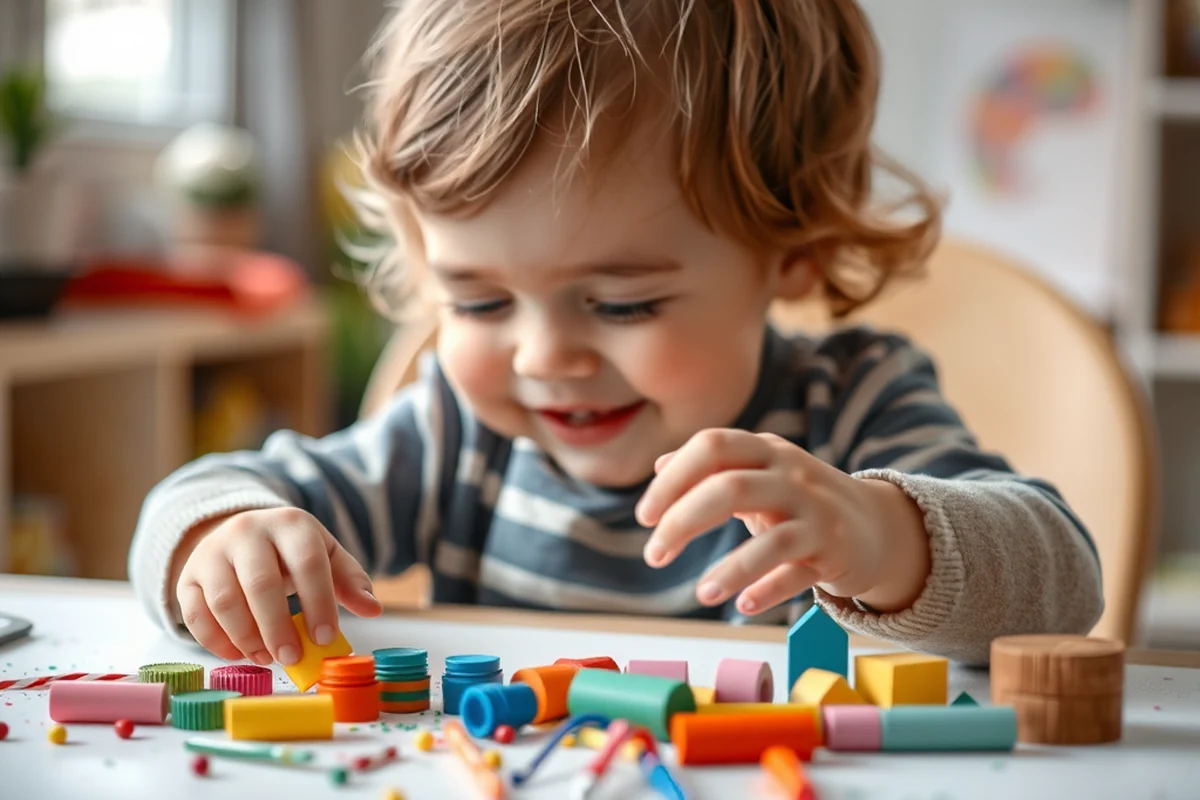
I’ve noticed that my son is much more engaged in process art than in structured activities like coloring within the lines or completing a puzzle. It’s because there’s no right or wrong way to do it. He can mix colors, smear paint, or even throw things — and it all feels like a success. It’s not about being ‘good’ at art, but about feeling ‘in charge’ of the experience.
This kind of unstructured play is especially important for preschoolers, who are still developing their fine motor skills, sensory awareness, and emotional regulation. When I let him choose the materials and the way he wants to use them, it builds his confidence and independence. I’ve seen him work for 20 minutes straight on a single activity, completely focused and content — something that doesn’t happen often during the day.[1]
The freedom in process art also allows my son to explore his own preferences and interests. One day he might be drawn to mixing colors, the next day he might prefer to press leaves into paper. It’s all part of the process — and it’s all part of what makes this kind of art so valuable for preschoolers.
Let the mess be the masterpiece.
Related: Art project for toddlers
Related: Process art for kids
Related: Process art ideas for preschoolers
Related: Infant process art ideas
Related: Art supplies for beginners
How to Set Up a Process Art Station
I’ve found that setting up a process art station takes about 5 minutes and just a few items: a table or floor space, some paper, a few containers of paint or glue. A couple of tools like brushes, sponges, or cotton balls. I like to lay out the materials in a way that invites exploration — not in a line, but in a loose, scattered way that feels inviting and not overwhelming.
To keep things manageable, I always cover the floor with paper or old fabric. This makes cleanup easier and prevents the mess from spreading. I also like to have a few different textures on hand — like sand, fabric scraps, or leaves — so my son can explore different materials and how they feel.
It’s important to keep the rules simple and flexible. I like to remind myself that the goal is not to control the activity, but to let my son lead. I’ve found that if I stay out of the way, he’s much more engaged and creative. Process art is about freedom — for both the child and the parent.
Observe your child’s interests and preferences. If they’re drawn to a certain material or color, follow their lead and expand on that.
“I remember the first time my 3-year-old son stood in front of a canvas with a handful of paint and a smock, completely absorbed in…”— Messysenses editors
How to Choose Materials for Process Art
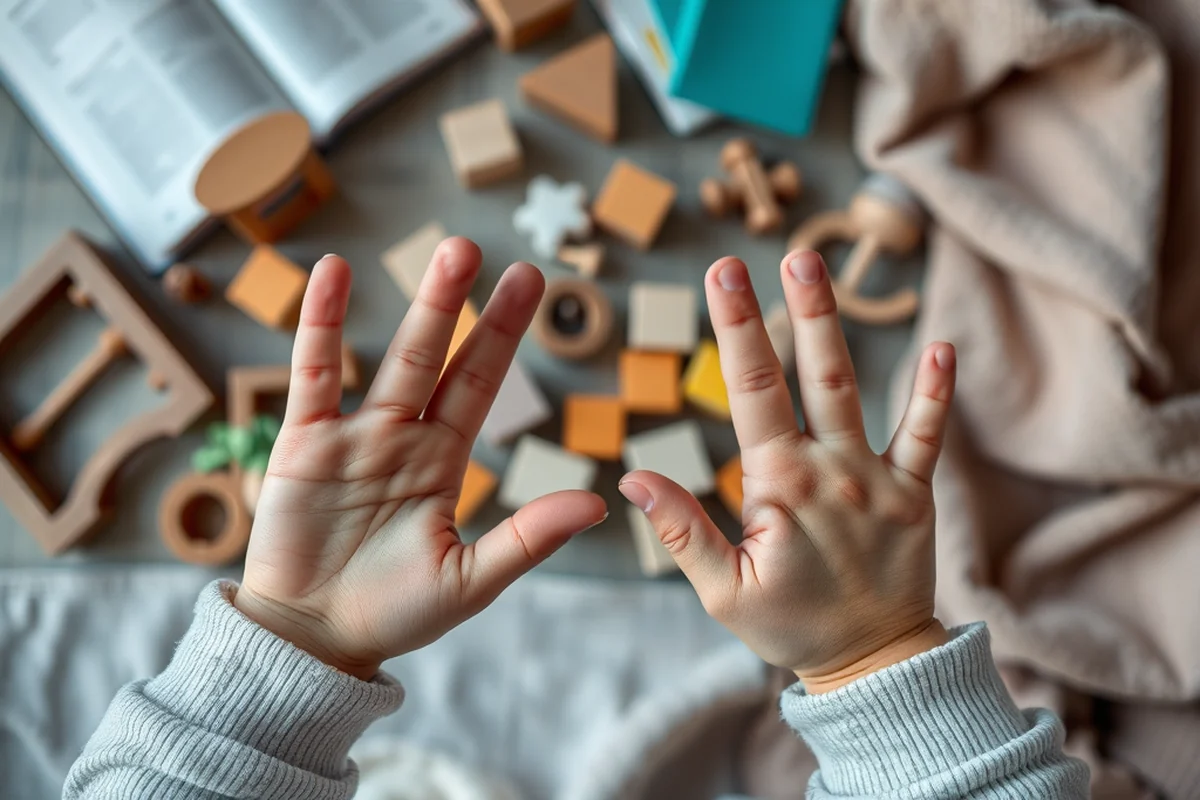
I’ve experimented with a variety of materials over the years — from paint and paper to fabric, leaves, and even pasta. The key is to pick things that are safe, easy to use, and allow for a lot of exploration. I’ve found that washable paints, glue. Clay are some of the most versatile options for my son, as they’re easy to clean up and can be used in a variety of ways.
I also like to mix in natural materials like leaves, sand, and fabric scraps, which add a tactile element to the process. These materials are often free or inexpensive, and they give my son a chance to explore different textures and colors. I’ve noticed that he’s especially drawn to materials that have a different feel — like the roughness of sand or the softness of fabric.
It’s important to keep the materials accessible and within reach. I’ve found that setting up a few different materials in a loose, scattered way encourages my son to experiment and try new things. The goal is to create an environment that feels open and inviting, not restrictive or overwhelming.
How to Handle the Mess
I’ve learned to accept that process art often means a mess — and that’s part of the experience. My son doesn’t mind the mess, and I don’t either. I’ve found that it’s easier to clean up after a process art session if I’m prepared — by covering the floor with paper or old fabric and having a few extra clothes on hand.
I’ve also learned that it’s okay to be messy together. I’ve found that when I’m not afraid of the mess, my son is more relaxed and creative. He’s more likely to explore, make mistakes, and try new things if he knows that it’s all part of the process.
I’ve even created a small space in our home that’s dedicated to process art — where I can leave out materials and let my son explore on his own. This has helped reduce the mess and made it easier to clean up after the activity.
How to Encourage Creativity in Process Art
I’ve found that the best way to encourage creativity is to let my son explore without pressure or expectations. I’ve noticed that he’s more creative and engaged when he feels free to choose his own materials and the way he wants to use them. It’s not about making something ‘perfect,’ but about making something that feels meaningful to him.
I’ve also found that asking open-ended questions can help spark his imagination. Instead of telling him what to do, I like to ask things like, ‘What do you think this feels like?’ or ‘What colors do you want to use?’ These questions help him think about the materials and how he wants to use them, without feeling like he has to follow a specific plan.
I’ve also learned that it’s important to celebrate his creativity, even if the result isn’t what I expected. I’ve noticed that when I praise his efforts and show interest in his creations, he’s more likely to continue exploring and trying new things.
Creativity thrives in freedom, not in control.
How to Make Process Art a Regular Part of Your Routine
I’ve found that making process art a regular part of my son’s day helps him develop creativity, confidence, and a sense of independence. I try to set aside at least 15 minutes each day for a process art activity, even if it’s just a quick session before bedtime or after dinner. This has helped make it a part of his routine and something he looks forward to.
I’ve also tried to make it a flexible part of our day — sometimes we do it first thing in the morning, sometimes after a long day. It’s all about finding a time that works for our family and sticking with it. I’ve noticed that my son is more engaged in the activity when it’s a regular part of his day, even if it’s just for a few minutes.
I’ve also learned that it’s important to keep the materials accessible and within reach so that he can use them whenever he wants. I’ve found that having a small table or space dedicated to process art makes it easier for him to explore and experiment on his own. This has helped turn process art into a regular, meaningful part of his day.
🎨 Gentle Process Art
A calm, low-energy version of process art that’s perfect for days when your child is feeling overwhelmed or tired.
⏱️ Fast-Track Process Art
A quick, no-fuss version of process art that can be done in just a few minutes — great for busy days or when you need a creative break.
🧳 Travel/On-the-Go Process Art
A portable version of process art that you can take with you — perfect for car rides, trips, or when you’re on the move.
👧👦 Process Art for Multiple Kids
A version of process art that works for multiple children, with plenty of materials and space for everyone to explore and create.
🔄 Regression Reset Process Art
A version of process art that helps children re-engage with creativity after a period of regression or disinterest in art.
| The mistake | Why it happens | The fix |
|---|---|---|
| Trying to control the activity too much | Trying to control the activity too much can make it less engaging and less creative for your child. | Instead of controlling the activity, let your child lead the way. Ask questions and encourage exploration, but don’t impose your own ideas or expectations. |
| Not being prepared for the mess | Not being prepared for the mess can make the activity less enjoyable and more stressful for both you and your child. | Be prepared for the mess by covering the floor with paper or old fabric, and have a few extra clothes on hand. This will help make the cleanup easier and more manageable. |
| Trying to make everything perfect | Trying to make everything perfect can take the focus away from the process and put too much pressure on your child. | Let go of the idea of perfection. Focus on the experience and the creativity, not on the final product. Celebrate your child’s efforts, even if the result isn’t what you expected. |
| Not being patient enough | Not being patient enough can make the activity less engaging and less successful for your child. | Be patient and let your child explore at their own pace. It’s important to stay calm and supportive, even if the activity takes longer than expected or if your child makes mistakes. |
Easy Process Art For Preschoolers
Common Questions
What if my child isn’t interested in process art?
How long should a process art session last?
What if I don’t have time to set up a process art station?
How can I encourage my child to participate in process art?
References
- Some Effects of Unstructured Outdoor Plays on a Child - ERIC (files.eric.ed.gov)
Cite this guide
Messysenses (2026). Easy Process Art For Preschoolers. https://messysenses.com/easy-process-art-for-preschoolers/
Feel free to cite or share this guide.