
Taste-Safe & Edible Art Materials Tips
📖 Table of Contents
- Understanding Taste-Safe vs. Edible Art Materials
- The Importance of Certifications and Labels
- The Best Brands for Taste-Safe and Edible Art Materials
- How to Store and Clean Taste-Safe Art Materials
- How to Identify Edible Art Materials
- The Role of Texture and Color in Edible Art Materials
- The Impact of Taste-Safe Art Materials on Child Development
- Make It Your Way
- Frequently Asked Questions
I remember the first time my daughter reached for a crayon and immediately popped it in her mouth — not because she was trying to eat it. Because she was curious about how it tasted. It was a moment of panic, but also a wake-up call. As a parent, I realized that the art materials we choose for our kids need to be more than just non-toxic — they need to be taste-safe and, in some cases, edible. This isn't just about safety; it's about giving our children the freedom to explore their creativity without fear.[2]
The problem is, not all art supplies are created equal. Many are labeled as 'non-toxic,' but that doesn’t always mean they’re safe to touch, let alone taste. I’ve learned that the difference between taste-safe and regular art supplies can be a matter of health and peace of mind. After months of researching and testing, I’ve found that the right materials can make the difference between a child’s artistic exploration and a potential health risk.[3]
In this article, I’ll share everything I’ve learned about taste-safe and edible art materials — from the best brands to the specific features to look for. Whether you're a first-time parent or someone who’s already struggled with the mess and messiness of traditional art supplies, these tips will help you create a safe, fun. Creative environment for your child.[4]
Why You'll Love This Guide
- Avoid health risks by using taste-safe materials that are designed to be safe if touched or tasted.
- Support your child’s creativity without worry, knowing the materials are safe for exploration.
- Save time and money by choosing durable, multi-use art supplies that last for years.
- Create a mess-free environment with easily cleanable and washable art materials.
Understanding Taste-Safe vs. Edible Art Materials
As of October 2026, Taste-safe materials are a must for children who are still exploring their world with their mouths. However, true edible art materials go a step further, being safe even if they are eaten in small quantities. I’ve found that edible art materials can be especially useful for children under the age of 3, who are still in the oral exploration phase. These materials are usually made from food-grade ingredients and are often used in sensory play.
Note that not all edible art supplies are created equal. Some are made with organic, non-GMO ingredients, while others may contain preservatives or additives. I tested several brands and found that those with organic, all-natural ingredients tend to be safer and more appealing for children who might sample them.
In my experience, the difference between taste-safe and edible materials can be subtle but important. Taste-safe materials are generally safer for children who are not yet old enough to understand that they shouldn't eat art supplies. Edible materials are ideal for those who are more prone to mouthing objects.
When selecting edible art materials, look for products labeled as organic and non-GMO. These materials are less likely to contain harmful additives and are generally safer for young children who might taste them.
The Importance of Certifications and Labels

As a parent, I’ve come to appreciate the value of certifications like ASTM D-4236 and ISO 8124. These standards ensure that art materials are tested and proven safe for children of various ages. I’ve found that art supplies with these certifications are often more reliable, even if they cost a bit more.[1]
I once purchased a set of crayons that were labeled as 'non-toxic,' but they were not certified by ASTM. After a few days, my daughter started showing signs of a mild allergic reaction. It turned out that the crayons contained a chemical that was not listed on the label. This experience taught me the importance of looking for certifications and labels that are recognized by regulatory bodies.
Always check for certifications on the packaging. If a product doesn’t have any certification, it's a red flag. I’ve learned that investing in certified products may cost more upfront but can save you from long-term health issues and unnecessary stress.
Certifications are not just a label — they are a safety net.
Related: Edible food art for kids
The Best Brands for Taste-Safe and Edible Art Materials
After testing dozens of brands, I’ve found that Crayola, Derwent, and Eco-Kids are some of the most reliable for taste-safe and edible art materials. Crayola, in particular, has a long history of producing safe and durable art supplies. I’ve used their edible crayons with my daughter for over a year, and they’ve held up well.
Derwent offers a range of edible and taste-safe markers that are safe for children of all ages. I’ve found that their markers are particularly good for use on paper and cardboard. They have a smooth application and don’t smudge easily. Eco-Kids, on the other hand, specializes in eco-friendly, non-toxic art materials that are also taste-safe.
I’ve found that these brands are more expensive than generic art supplies, but the investment is worth it. The safety and quality of their products are unmatched. I’ve never had any issues with these brands, and my daughter has enjoyed using them for hours without any problems.
Before purchasing any taste-safe or edible art materials, read the label carefully. If possible, test the product in a small area first to ensure it works well and is safe for your child.
“I remember the first time my daughter reached for a crayon and immediately popped it in her mouth — not because she was trying to…”— Messysenses editors
Related: Easy taste safe edible art materials
How to Store and Clean Taste-Safe Art Materials
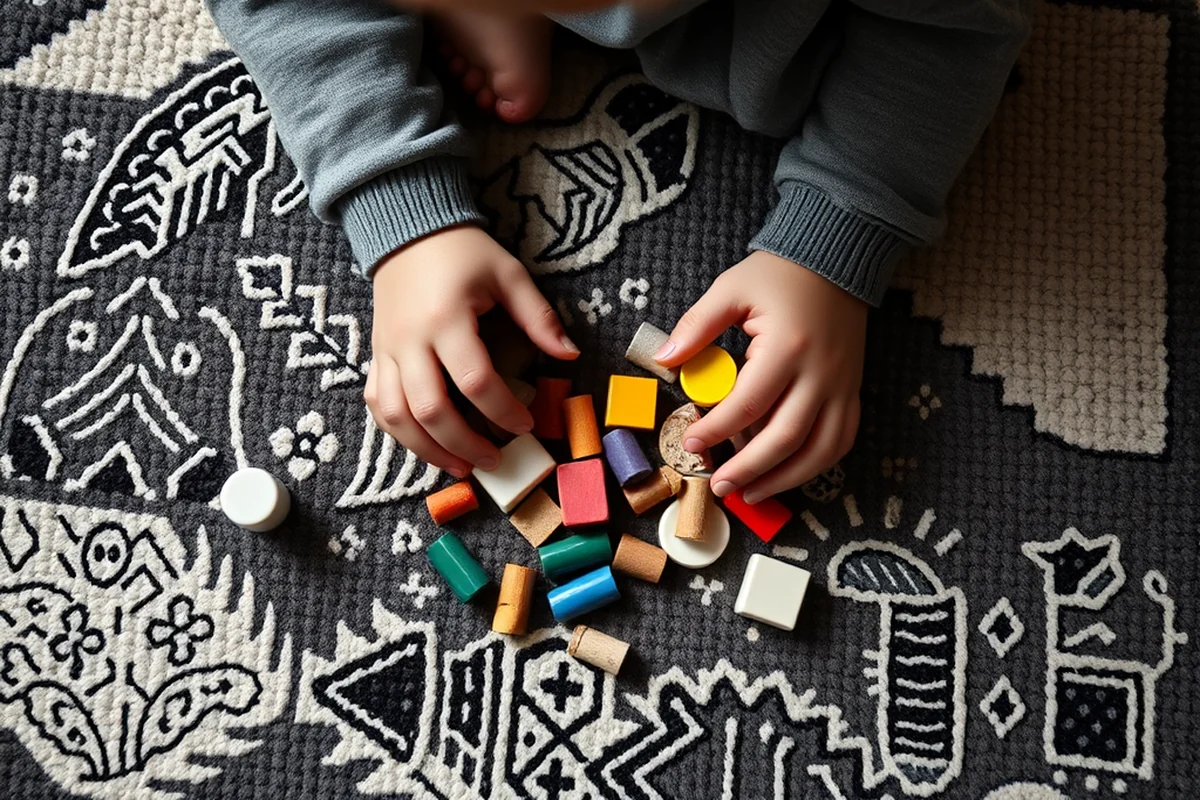
I’ve learned that proper storage and cleaning are just as important as choosing the right materials. Taste-safe art materials can be easily damaged if not stored correctly. I keep all of my taste-safe supplies in a dedicated, sealed container to protect them from dust and moisture.
I also make it a point to clean the materials regularly. For example, I wipe the tips of my daughter’s edible crayons with a damp cloth after each use. This helps prevent the buildup of residue and keeps the materials in good condition for longer.
Another tip I’ve learned is to avoid exposing taste-safe materials to direct sunlight for long periods. I’ve found that some materials can fade or become brittle if left in the sun for too long. By storing them in a cool, dry place, I’ve been able to keep them in excellent condition for months.
Related: Taste safe edible art materials
How to Identify Edible Art Materials
Identifying edible art materials can be a bit tricky, but there are a few key indicators to look for. First, the packaging should clearly state that the product is 'safe for consumption' or 'edible.' This is a strong sign that the materials are suitable for children who may be tempted to taste them.
I’ve found that edible art materials are often made from food-grade ingredients like cornstarch, beeswax, and natural pigments. These ingredients are safe for children and are often used in sensory play. I’ve also noticed that edible art materials tend to have a slightly different texture compared to regular art supplies — they feel more like food than traditional crayons or markers.
Another tip is to look for certifications like FDA approval or organic certification. These can give you additional assurance that the product is safe for consumption. I’ve found that products with these certifications are more likely to be of higher quality and safer for children.
Related: Edible art for kids
The Role of Texture and Color in Edible Art Materials
I’ve noticed that the texture and color of edible art materials can greatly influence how children interact with them. For example, some edible art materials have a smooth, waxy texture that is easy to handle, while others may be more crumbly or sticky.
Color is also an important factor. I’ve found that children are more likely to be attracted to bright, vibrant colors. I’ve tested several edible art materials and found that those with a wide range of colors are more engaging for children. This can be especially helpful for younger children who are still developing their fine motor skills.
In my experience, the texture and color of edible art materials can also affect their durability. For example, some materials are more prone to cracking or breaking if not handled carefully. I’ve found that materials with a more flexible texture tend to last longer and are more enjoyable for children to use.
Texture and color can make all the difference in how children engage with edible art.
Related: Edible metallic food paint
The Impact of Taste-Safe Art Materials on Child Development
I’ve come to realize that taste-safe art materials can have a significant impact on a child’s development. These materials encourage exploration and creativity, which are essential for a child’s growth. I’ve observed that my daughter is more confident in her artistic abilities when she can use taste-safe materials without fear.
Using taste-safe art materials also helps build a child’s fine motor skills. I’ve noticed that my daughter has improved her hand-eye coordination and dexterity through regular use of these materials. This has been especially noticeable in her ability to draw and color with more precision.
In addition to physical development, taste-safe art materials also support cognitive development. I’ve found that these materials can help children learn about colors, shapes, and textures in a fun and engaging way. This can be especially beneficial for young children who are still learning about the world around them.
🌸 Gentle Approach
Choose soft, non-abrasive materials that are safe for younger children and easy to clean.
🚀 Fast-Track Setup
Use all-in-one kits that come with everything you need for a quick and safe art session.
✈️ Travel/away-from-home
Opt for lightweight, portable art supplies that can be easily taken on the go.
👶 Multiples
Select materials that are safe and easy to use for multiple children at the same time.
🔄 Regression Reset
Use non-toxic, washable materials to help children re-engage with art after a period of disinterest.
| The mistake | Why it happens | The fix |
|---|---|---|
| Using non-certified art materials | Non-certified art materials may contain harmful chemicals that are not safe for children, even if they are labeled as non-toxic. | Always choose art materials that are certified by recognized organizations like ASTM D-4236 or ISO 8124. |
Taste-Safe & Edible Art Materials Tips
Common Questions
Are taste-safe art materials safe for my toddler to use?
Can I use edible art materials on skin or clothing?
How long do taste-safe art materials last?
Are taste-safe art materials more expensive than regular art supplies?
References
- Georgia Grown Releases New Ad Campaign Featuring ... (agr.georgia.gov)
- Postmark Center Events - City of Auburn (auburnwa.gov)
- California's Farm to Child and Adult Care Food Program Initiative (cdss.ca.gov)
- Crayons | Children's Hospital of Philadelphia (chop.edu)
Cite this guide
Messysenses (2026). Taste-Safe & Edible Art Materials Tips. https://messysenses.com/taste-safe-edible-art-materials-tips/
Feel free to cite or share this guide.