
Easy Process Art For Toddlers
📖 Table of Contents
- The Magic of Open-Ended Materials
- Why Process Art Works for Toddlers
- How to Set Up a Process Art Station
- The Role of the Parent in Process Art
- How to Encourage Creativity in Process Art
- The Benefits of Process Art for Toddlers
- Keeping Process Art Simple and Sustainable
- Make It Your Way
- Frequently Asked Questions
I remember the first time my toddler, then 2 years old, looked at a pile of cardboard tubes and said, 'This is a spaceship.' It was one of those magical parenting moments — the kind that reminds you why you're doing this. Easy process art for toddlers doesn't require paint, glue, or even a table. It's about giving them materials, space, and the freedom to explore. I've tried so many different approaches over the years — from paper towel rolls to fabric scraps — and what I've learned is that the best process art is the one that sparks joy in your child, even if it ends up on the floor.[1]
For me, easy process art for toddlers is about simplicity. It's about the mess that's okay because it's a part of learning. I've learned that it's not about the final product but the journey of creation — the squishing of playdough, the smearing of glue, the way my daughter once turned a handful of rice into a 'volcano' with a spoon. Process art is messy, but it's also a gateway to creativity, fine motor skills, and self-expression. I've found that the easiest way to do this is with materials I already have around the house — things like paper, fabric, or even old boxes.[2]
I've discovered that easy process art for toddlers is not only about the materials but also about the time and space you give them. Some of the best art sessions have happened in the middle of the day when I was busy with work, and my toddler was just playing with a handful of buttons on the floor. It's not about perfection, and it's not about trying to make something look 'nice.' It's about the joy of watching them explore, experiment, and learn. I've come to see that the most valuable part of easy process art for toddlers is not the finished piece — it's the memories made in the process.
Why You'll Love This Easy Process Art for Toddlers
- It's affordable — you can use materials you already have at home.
- It encourages creativity and self-expression without any pressure.
- It's safe and adaptable for even the youngest toddlers.
- It's a great way to spend quality time with your child.
The Magic of Open-Ended Materials
As of August 2026, I’ve found that open-ended materials like fabric scraps, paper, and cardboard are some of the most powerful tools for process art. When I first started, I used leftover tissue paper and paper towels, and my toddler turned them into a whole ‘rainforest’ with a few pieces of yarn and a cardboard base. The beauty of these materials is that there are no instructions — the child leads the way.[3]
I remember one day when my daughter used paper plates and markers to create what she called a ‘fairy house’ — with the plate as the roof and markers as the windows. It wasn’t about the final product, but the way she was thinking and problem-solving as she went. Open-ended materials give toddlers the freedom to create, explore, and make mistakes — all of which are essential for learning.
I’ve also noticed that using open-ended materials reduces the pressure on both me and my child. It’s not about making a perfect picture or following a strict set of instructions. It’s about letting the toddler lead the creative process and seeing where it takes them — and us.
Don’t go out and buy expensive art supplies — use what’s already in your house. Old magazines, fabric scraps, and even paper plates can be transformed into amazing process art.
Why Process Art Works for Toddlers
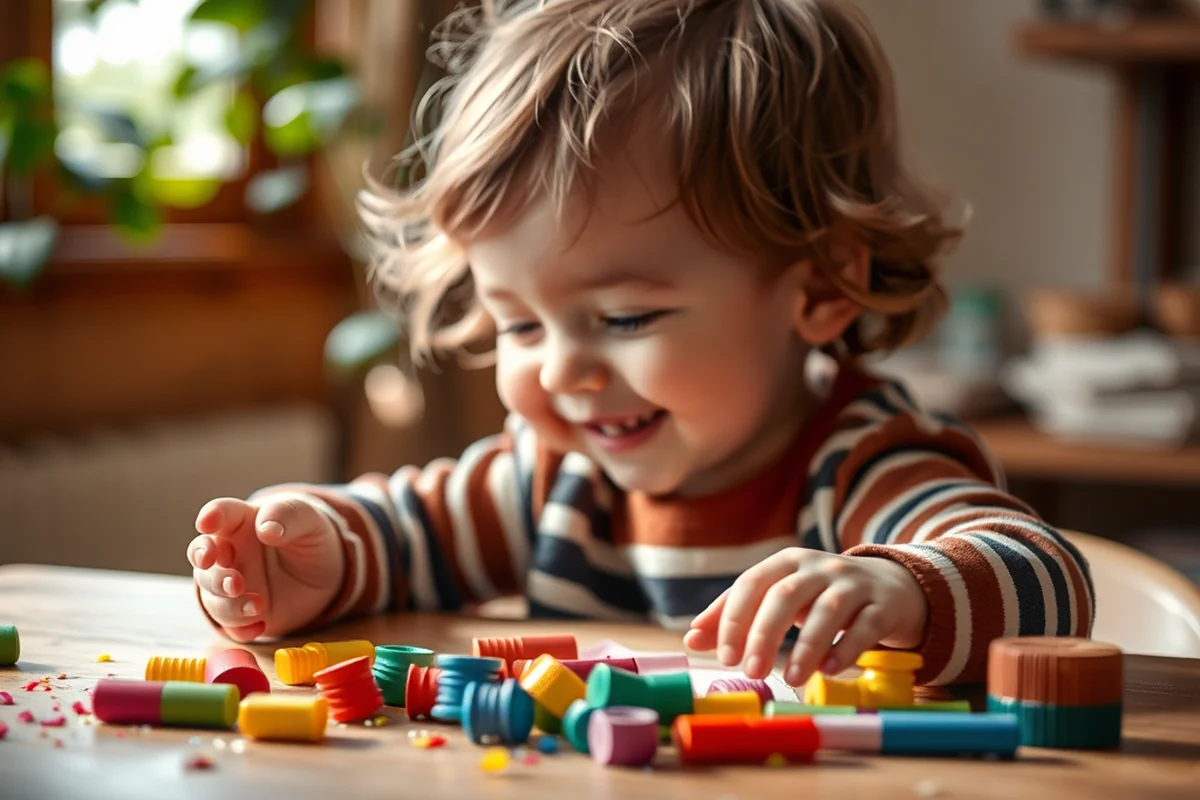
Process art is different from traditional art because it doesn’t have a right or wrong answer. I’ve noticed that my toddler is more engaged and excited when she’s creating something that she invented herself, rather than following a strict template. This type of art allows her to explore different textures, colors, and forms — all while learning through play.
One of the best things about process art is that it supports the toddler’s growing fine motor skills. When she smears paint with her hands or stacks blocks to make a tower, she’s using her fingers and hands in ways that help with coordination and dexterity. This is especially important during those first few years of development.
I’ve also found that process art helps my toddler express her emotions and thoughts in ways she can’t always put into words. Whether it’s a ‘sad painting’ or a ‘happy rainbow,’ the art becomes a visual representation of her feelings. It’s a safe and creative way for her to explore her inner world.
Process art is not about making something perfect — it's about making something meaningful.
Related: Christmas process art for toddlers
Related: Flower process art for toddlers
Related: Process art ideas for preschoolers
Related: Paint Activities For Toddlers
Related: Infant Process Art Ideas
Related: What Cool Things To Draw
Related: Process Art For Kids
Related: Art Activities For Toddlers
Related: Process Art For Toddlers Christmas
Related: Summer Process Art For Toddlers
Related: Easy Sand Art For Beginners
Related: Process Art For Toddlers For Beginners
Related: Process Art Activity For Preschool
Related: Process Art For Toddlers Winter
Related: Process Art For Infants And Toddlers
How to Set Up a Process Art Station
I’ve learned that the key to a successful process art session is to create a space that’s inviting but also safe. I usually set up a small table or a section of the floor with a waterproof mat — that way, I know I can clean it up easily later. I like to place a few different materials on the table, like fabric scraps, paper, and markers, so my toddler can choose what she wants to use.
I also make sure the space is free of distractions — no TV or loud noises — so she can focus on her art. I’ve noticed that when there are fewer distractions, my toddler is more engaged and spends more time exploring the materials. I also like to sit with her during the process, not to direct her, but to observe and support her as she creates.
I’ve found that keeping the materials within reach is important. I don’t want her to have to ask for something every time she wants to use it. When the materials are set up in a way that’s easy for her to access, she becomes more independent and confident in her creative choices.
Avoid using small items that could be a choking hazard. Use larger pieces of paper and safe materials, and always supervise your toddler during the process.
“I remember the first time my toddler, then 2 years old, looked at a pile of cardboard tubes and said, 'This is a spaceship.' It…”— Messysenses editors
The Role of the Parent in Process Art
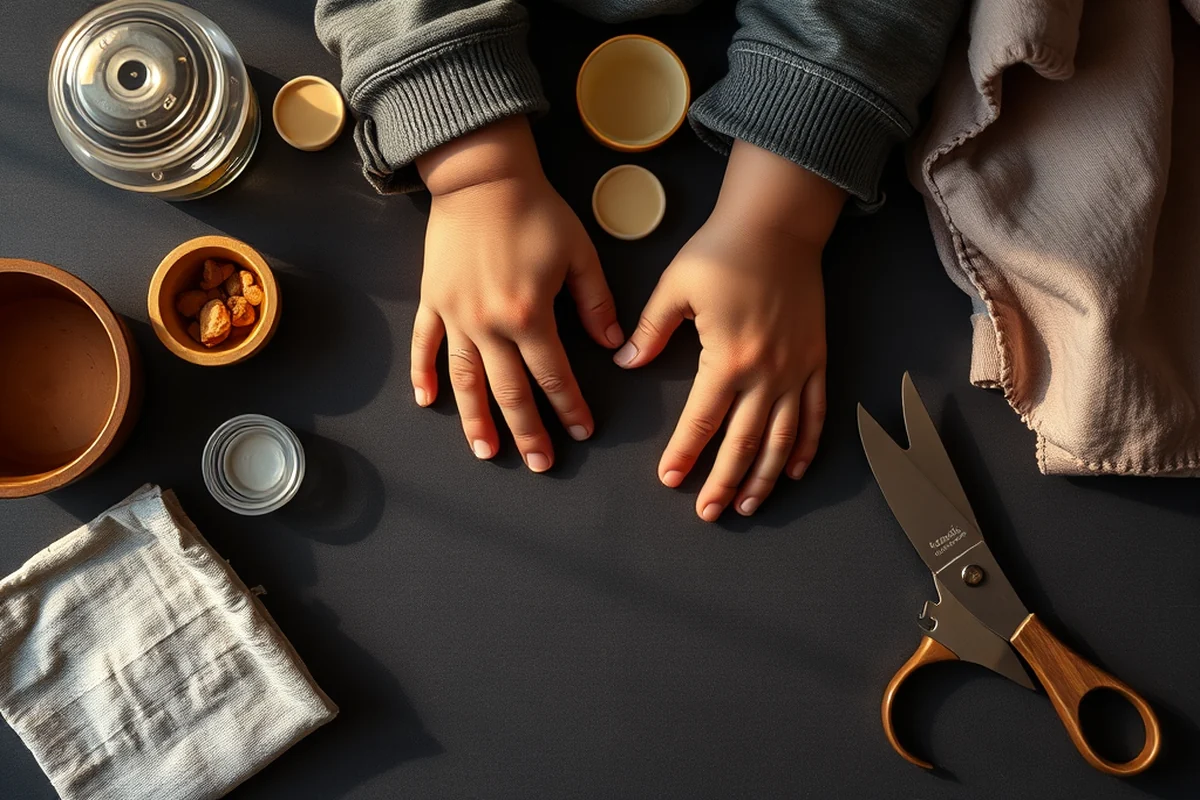
I’ve come to understand that my role as a parent during process art is more about supporting and observing than directing. I don’t tell my toddler what to make or how to make it. Instead, I ask open-ended questions like, ‘What does this look like to you?’ or ‘What do you think this is?’ This helps her think creatively and express her ideas.
I also try to be present during the process. I sit with her and watch as she explores the materials, and I make sure to acknowledge her efforts. Even if she’s just sticking two pieces of paper together, I tell her how proud I am of her creativity. This positive reinforcement helps her feel confident and encouraged to keep exploring.
I’ve noticed that when I’m actively involved in the process, even if I’m not directing it, my toddler is more engaged. She knows I’m there to support her, and that makes her feel safe and secure as she experiments with different textures and colors.
How to Encourage Creativity in Process Art
I’ve learned that the best way to encourage creativity in process art is to let my toddler explore the materials on her own. I don’t give her instructions or tell her what to make. Instead, I ask open-ended questions and let her guide the process. This helps her feel in control and gives her the confidence to experiment with different ideas.
I also try to be a good listener. When she tells me what she’s creating, I make sure to listen and respond in a way that shows I understand. This helps her feel supported and encouraged to keep creating. I’ve noticed that when I listen to her, she becomes more excited about the process and is more willing to try new things.
I’ve found that when I give her the freedom to explore without pressure, my toddler becomes more creative and expressive. She starts to see the materials in different ways and begins to experiment with new combinations and textures. This kind of freedom is essential for her development and for building her confidence as a creator.
The Benefits of Process Art for Toddlers
I’ve noticed that process art helps my toddler develop her fine motor skills in a natural and fun way. When she uses her hands to smudge paint or stack blocks, she’s strengthening her fingers and improving her coordination. These skills are essential for her development and will help her with tasks like writing and buttoning clothes later on.
I’ve also seen that process art helps my toddler express her emotions in ways she can’t always put into words. Whether it’s a ‘sad painting’ or a ‘happy rainbow,’ the art becomes a visual representation of her feelings. This is a safe and creative way for her to explore her inner world and learn how to manage her emotions.
I’ve found that process art is a great way to bond with my toddler and support her emotional growth. When I sit with her and observe her as she creates, it helps us connect and build a stronger relationship. It’s a way for us to share in the joy of creativity and learn from each other.
Process art is a powerful tool for emotional expression and fine motor development in toddlers.
Keeping Process Art Simple and Sustainable
I’ve learned that the best process art sessions are the ones that are simple, sustainable, and easy to clean up. I try to use materials that are easy to wash off, like paper or fabric, and avoid using anything that’s too messy or hard to clean. This helps reduce the stress for both me and my toddler and makes the process more enjoyable for everyone involved.
I’ve also found that using materials that are already in the house is a great way to keep process art sustainable and cost-effective. I don’t need to buy expensive art supplies — I can use old magazines, fabric scraps, or even paper plates. This helps reduce waste and keeps the process eco-friendly.
I’ve noticed that when process art is simple and sustainable, my toddler is more engaged and excited about creating. She doesn’t feel overwhelmed by the materials or the mess, and she can focus on the joy of exploring and experimenting with different textures and colors.
🧸 Gentle Process Art
A calm and sensory-friendly approach with minimal mess and a focus on exploration and discovery.
⏱️ Fast-Track Process Art
A quick and easy session that can be done in under 20 minutes, perfect for busy parents and little time.
🧳 Travel/away-from-home Process Art
A portable and lightweight version of process art that can be done anywhere, even on the go.
👨👩👧👦 Multiple Toddlers Process Art
A fun and engaging way to involve multiple toddlers in the process, encouraging collaboration and social interaction.
🔄 Regression Reset Process Art
A method that helps toddlers reset and refocus, especially useful during challenging times or developmental plateaus.
| The mistake | Why it happens | The fix |
|---|---|---|
| Using too many materials at once | Too many materials can overwhelm a toddler and make it hard for them to focus on the creative process. | Limit the number of materials you provide at once, and introduce new ones gradually as your toddler becomes more familiar with the process. |
| Putting too much pressure on the toddler to create a specific piece | This can make the toddler feel stressed and less engaged in the process. | Avoid giving instructions or expecting a specific outcome. Let the toddler lead the way and explore the materials in their own way. |
| Not cleaning up after the session | Leaving a mess can make the process art experience less enjoyable for both you and your toddler. | Make sure to clean up after each session, and involve your toddler in the cleanup process to help them understand the importance of tidying up. |
| Not being present during the process | Not being present can make the toddler feel unsupported and less engaged. | Try to sit with your toddler during the process and observe their creativity. This helps build a stronger connection and supports their development. |
Easy Process Art For Toddlers
Common Questions
What is process art for toddlers?
What materials do I need for process art with my toddler?
How long should a process art session last for a toddler?
Can I do process art with my toddler if I have no art supplies?
References
- Supporting the A in STEAM with Infants and Toddlers | HeadStart.gov (headstart.gov)
- Ages and Stages of Development (cdss.ca.gov)
- Compendium of Quality Rating Systems and Evaluations (acf.gov)
Cite this guide
Messysenses (2026). Easy Process Art For Toddlers. https://messysenses.com/easy-process-art-for-toddlers/
Feel free to cite or share this guide.