
How To Mud Kitchen & Outdoor Art
📖 Table of Contents
- Why Mud Kitchen and Outdoor Art Matter for Kids
- What You’ll Need for a Mud Kitchen
- How to Get Started with Outdoor Art
- Making the Most of Messy Play Time
- How to Clean Up After Mud Kitchen and Outdoor Art
- The Benefits of Outdoor Play for Kids
- How to Keep Kids Engaged and Inspired
- Make It Your Way
- Frequently Asked Questions
The first time my son smeared mud on his face and built a crooked wall of rocks, I laughed until my sides ached. It was messy, it was loud, and it was pure joy. That moment became the catalyst for creating our family’s favorite activity: mud kitchen and outdoor art. What started as a spontaneous afternoon in the backyard turned into a weekly ritual that brought us closer, sparked creativity. Gave my kids a sense of accomplishment that no screen or toy could ever match. Mud kitchen and outdoor art are not just about getting dirty — they’re about learning through play, building confidence, and embracing the messiness of childhood.[1]
I remember one summer when we turned our backyard into a mini art studio, using sticks, leaves, and mud as our primary materials. My daughter, who was just 4 at the time, insisted on painting the driveway with water and food coloring. It was a total disaster — the colors bled everywhere, the water was everywhere, and I was convinced we would never clean it up. But looking back, it was one of the most memorable days of our lives. We didn’t just make art; we made memories. Mud kitchen and outdoor art are not about perfection — they’re about exploration, imagination, and the joy of being together.
When I first heard the term 'mud kitchen,' I thought it was some kind of elaborate play structure. But it’s actually something much simpler: a space where kids can get their hands dirty, mix natural elements, and create with their own hands. It’s not just about the mess — it’s about the learning, the discovery, and the laughter that comes with it. Whether you're using a corner of the backyard, a patch of dirt, or even a cardboard box as your 'kitchen,' mud kitchen and outdoor art can be a transformative experience for your family. It’s one of the few things that makes me forget about the chaos of parenting — and that’s saying something.
Why You'll Love This Activity
- Encourages creativity and sensory exploration in a way that no screen or toy ever could.
- Fosters unstructured, imaginative play that supports cognitive and social development.
- Provides a safe, non-toxic, and affordable way for kids to explore their environment.
- Strengthens family bonds through shared, messy, and joyful experiences.
Why Mud Kitchen and Outdoor Art Matter for Kids
As of August 2026, there’s something about getting hands in the dirt and mixing it with water that seems to awaken a primal sense of curiosity in children. I've noticed that when my kids engage in mud kitchen activities, they are more focused, more imaginative, and more engaged with their environment. It's not just about the mess — it's about the process of creation and discovery that takes place in that space.[2]
Outdoor art, on the other hand, is a way for kids to express themselves using the natural world around them. I've seen my daughter use leaves, stones, and sticks to create elaborate patterns on the sidewalk, and it's always fascinating to watch her think through the details. This kind of play supports fine motor skills, problem-solving, and emotional expression in a way that’s both natural and deeply engaging.
Together, these activities provide a unique blend of sensory, cognitive, and social development that’s hard to replicate indoors. Whether you're making a mud pie or arranging pebbles in a circle, your child is learning — and learning in a way that feels like pure fun.
Designate a corner of your backyard or balcony as a mud kitchen or outdoor art zone. Use a tarp or a large plastic sheet to contain the mess, and make sure to have clean-up tools handy.
What You’ll Need for a Mud Kitchen

I’ve found that the best mud kitchen sessions happen with just a few simple supplies. A large container or shallow pan to mix the mud in, a few bowls or cups to store and serve the 'ingredients,' and a small hose or bucket of water are all you need to get started. My kids love using their hands, but having a few small shovels and rakes helps them dig and move the dirt more efficiently.
I also recommend having a few clean-up tools on hand — a spray bottle for rinsing off hands, a bucket of clean water for washing, and a few paper towels for quick clean-ups. These are especially helpful if you're doing multiple sessions in a day. The most important thing is to keep the space open and inviting, so your child feels free to explore and create without any sense of constraint.
Remember, the goal of a mud kitchen is not to be perfect — it's about the process of mixing and creating. Even if the mess spreads a little, it's part of the fun. Just make sure you're ready for a little chaos and a lot of laughter.
Messy is magical — embrace it!
Related: Cheap mud kitchen outdoor art
Related: Toddler outdoor mud kitchen
Related: Kids mud kitchen ideas
Related: Outdoor mud kitchen diy
Related: Easy diy mud kitchen
Related: Mud Kitchen For Kids Outdoor
Related: A Yard Art
Related: A Princess Coloring Page
Related: How To Colouring Pictures
Related: Mud Kitchen For Sale
Related: Making A Mud Kitchen
Related: Outdoor Mud Kitchen Plans
Related: Outdoor Wooden Mud Kitchen
Related: Outdoor Mud Kitchen Preschool
Related: Outdoor Mud Kitchen For School
Related: Mud Kitchen & Outdoor Art For Toddlers
Related: Mud Kitchen & Outdoor Art Tips
Related: Easy Mud Kitchen & Outdoor Art
Related: Mud Kitchen & Outdoor Art Ideas
How to Get Started with Outdoor Art
Starting with outdoor art doesn’t require any special tools or materials — just a space where your child can explore and create. I've seen my kids use sticks, leaves, pebbles, and even bits of bark to make intricate designs on the ground. It’s amazing how much they can do with just their hands and the natural world around them.
One of the easiest ways to begin is with a simple activity like 'stone painting.' My daughter loves using sticks to press into wet sand, leaving behind patterns that look like abstract art. Another favorite is using leaves and flowers to create natural prints on paper or fabric. These activities are not only creative, but they also help develop fine motor skills and hand-eye coordination.
Outdoor art is also a great way to teach your child about the environment and the beauty of nature. I've found that when they’re creating with natural materials, they’re more curious about the world around them, and they learn to appreciate the small details in their surroundings.
Outdoor art doesn’t always need to be on paper. Try using sidewalks, driveways, or even sand as your canvas to make the experience more immersive and sensory-rich.
“The first time my son smeared mud on his face and built a crooked wall of rocks, I laughed until my sides ached.”— Messysenses editors
Making the Most of Messy Play Time
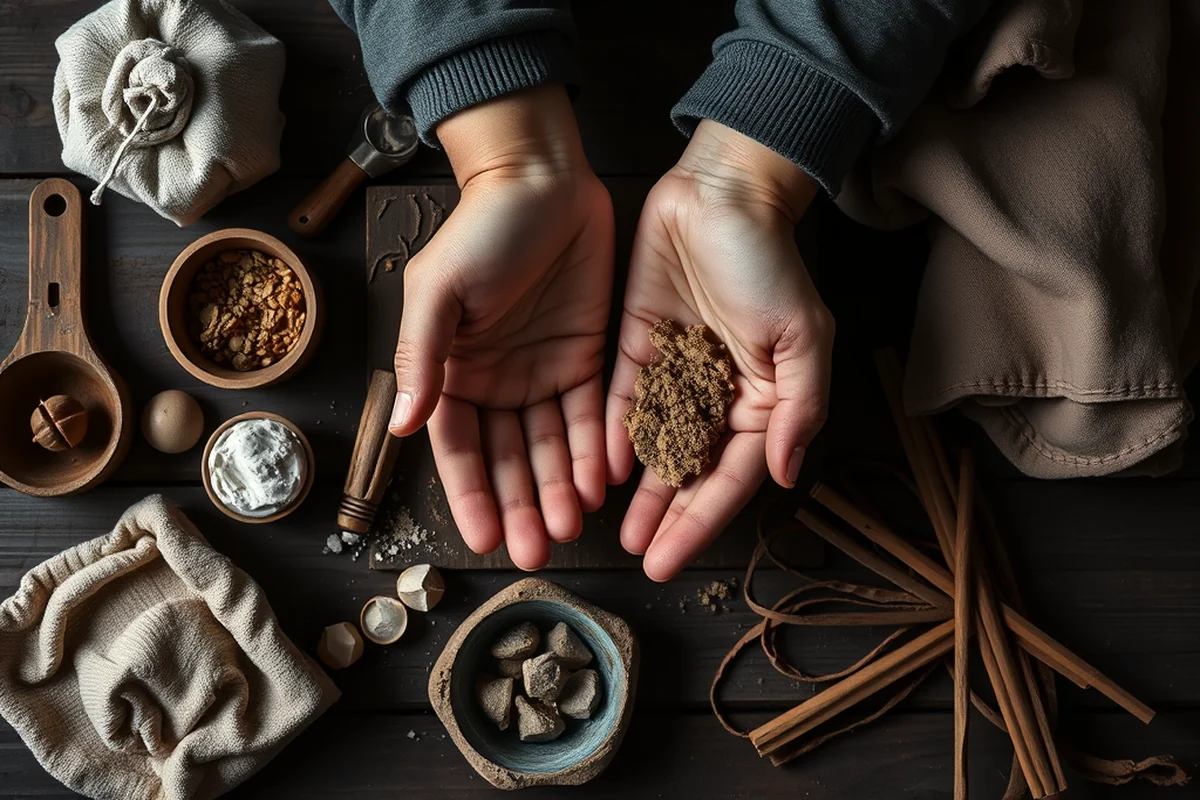
Messy play is one of the most valuable forms of unstructured play for young children, and it’s something I’ve come to appreciate deeply over the years. I’ve learned that the key to making the most of messy play time is to create a space where your child can explore freely without fear of judgment or interruption. This means giving them time and space to play without rushing them or trying to direct their activities.
I've also found that having a few simple rules in place can help keep the play more focused and productive. For example, we always make sure to clean up before we leave the space, and we never use any materials that could be harmful or messy beyond what we can handle. This helps reinforce the idea that while play can be messy, it should also be respectful and responsible.
Above all, the most important thing is to be present with your child during messy play time. Watching them create, explore, and discover is one of the most rewarding parts of parenting. It’s a time when you can see their imagination in action, and it’s a reminder of how much they’re capable of when given the right tools and support.
How to Clean Up After Mud Kitchen and Outdoor Art
One of the biggest challenges of mud kitchen and outdoor art is the cleanup. I’ve learned that the key to making cleanup easier is to plan ahead and have all the necessary tools on hand. I always keep a bucket of clean water, a few spray bottles, and a stack of paper towels in a designated cleanup area. This helps speed things up and makes the process less stressful for everyone involved.
Another tip I’ve found useful is to let your child help with the cleanup. I’ve noticed that when they’re involved in the process, they’re more invested in keeping the space tidy. It’s also a great way to teach them responsibility and independence. I’ve seen my kids take pride in cleaning up, and it’s always rewarding to see them take ownership of their own mess.
Lastly, it's important to keep in mind that not every cleanup has to be perfect. Sometimes, you’ll have to accept that a few spots might be left behind, and that’s okay. The most important thing is that your child has had a fun and creative experience, and that they leave the space feeling happy and satisfied.
The Benefits of Outdoor Play for Kids
I've found that outdoor play is one of the most important aspects of a child’s development, and it’s something I try to incorporate into our daily routine as much as possible. Whether it’s playing in the mud kitchen or making art in the yard, being outside helps kids develop a wide range身 of skills and abilities. I’ve noticed that my children are more active, more focused, and more engaged in their learning when they have time to play outdoors.
One of the biggest benefits of outdoor play is the improvement in physical health. I’ve seen my kids become stronger, more coordinated, and more confident as they explore the world around them. They also seem to have more energy and are more likely to take risks, which helps them build resilience and problem-solving skills.
Beyond the physical benefits, outdoor play also supports emotional development. I’ve noticed that my children are more patient, more empathetic, and more willing to share when they play with others outside. It’s a time when they can express themselves freely and build connections with their peers and family members.
Play outside — it’s the best medicine for kids.
How to Keep Kids Engaged and Inspired
I’ve learned that keeping kids engaged in outdoor activities often requires a mix of creativity, planning, and a bit of flexibility. One of the best ways to keep them interested is to introduce new challenges and ideas regularly. I’ve found that rotating the materials and activities we use in the mud kitchen and during outdoor art sessions helps keep things fresh and exciting.
Another tip is to involve the whole family in the process. When I play with my kids, it creates a sense of connection and shared joy that’s hard to replicate in other parts of the day. We also like to incorporate storytelling into our activities — for example, we might create a mud pie and then pretend it’s a magical potion that can transform us into animals or superheroes. This kind of imaginative play keeps things interesting and engaging.
Lastly, it's important to be flexible and open to the unexpected. I’ve found that the best moments in outdoor play are often the ones that arise spontaneously — whether it’s a sudden rainstorm, a new discovery, or an unexpected idea from my child. Being open to these moments helps keep the play experience dynamic and full of surprises.
🌱 Gentle Start
A slower, more controlled approach to mud kitchen and outdoor art, perfect for younger kids or those who need more guidance.
⚡ Fast-Track Fun
A quick, high-energy approach that’s great for kids who love action and movement, and for parents who need to keep things moving.
🌍 Travel/Outdoor Adventure
A portable, low-mess version of mud kitchen and outdoor art that’s perfect for trips, parks, or any outdoor space.
👯 Multiples Play
A version of the activity designed for multiple kids, encouraging teamwork, sharing, and social interaction.
🔄 Regression Reset
A reset approach that allows kids to revisit earlier stages of play, helping them build confidence and revisit old favorites.
| The mistake | Why it happens | The fix |
|---|---|---|
| Overloading the space with too many materials. | Too many materials can overwhelm your child and lead to a lack of focus or direction. | Start with a few simple items and gradually introduce more as your child becomes more comfortable and engaged. |
| Trying to clean up immediately after the activity. | Cleaning up too quickly can make your child feel rushed and may reduce the overall enjoyment of the activity. | Allow time for play and creativity before cleaning up, and involve your child in the process to make it more engaging. |
| Not allowing enough time for the activity. | Children often need more time to explore and create, and rushing them can lead to frustration and a lack of engagement. | Be flexible with the timing and allow your child to play as long as they’re interested and enjoying themselves. |
| Forcing the child to participate if they’re not interested. | Forcing a child to participate in an activity they’re not interested in can lead to resistance, frustration, and a negative association with the activity. | Offer the activity as an option and let your child choose when and if they want to participate. Make it fun and engaging, rather than mandatory. |
How To Mud Kitchen & Outdoor Art
Common Questions
What if my child is scared of getting dirty?
How do I keep the mess contained?
What if I don’t have space for a mud kitchen?
Can I do this with older kids?
References
Cite this guide
Messysenses (2026). How To Mud Kitchen & Outdoor Art. https://messysenses.com/how-to-mud-kitchen-outdoor-art/
Feel free to cite or share this guide.